Galaxy Z Fold7 Sells 250,000 Units in Four Weeks
 Isabella Alexiou
15 Sep 2025
Isabella Alexiou
15 Sep 2025
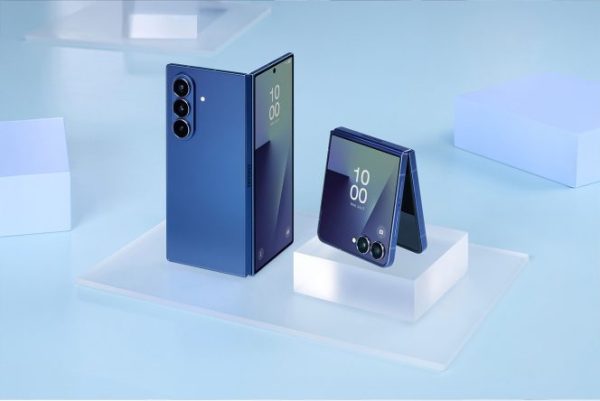
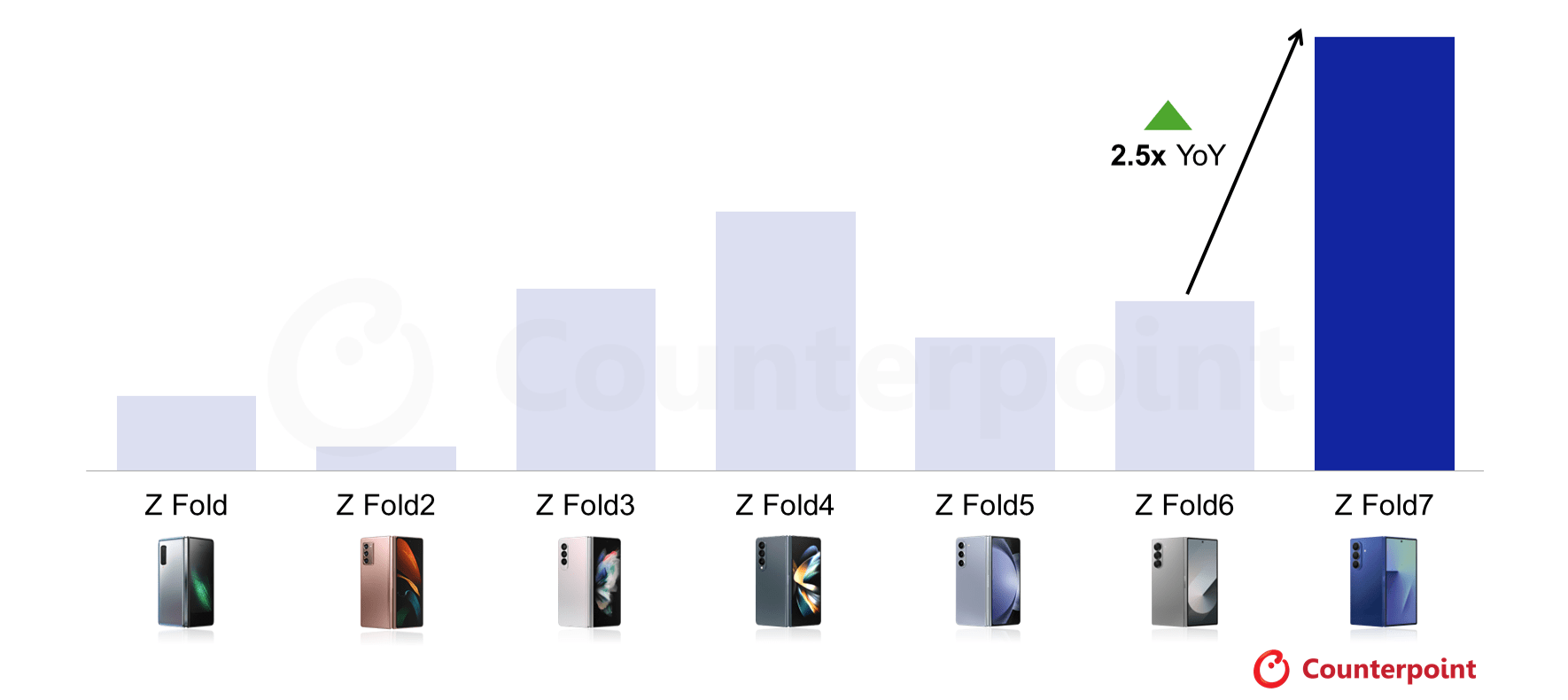
Samsung’s Galaxy Z Fold7 has become the company’s fastest-selling foldable smartphone in Western Europe, selling over a quarter million units in its first four weeks and more than doubling the Galaxy Z Fold6’s launch performance, according to Counterpoint Research.
The device, launched in July 2025, achieved nearly 70% higher sales than Samsung’s previous best-selling foldable, the Z Fold4, and exceeded the first-month sales of any book-type or clamshell foldable from any manufacturer in the region.
“After years of iterative upgrades, the Galaxy Z Fold7 is a major step forward, and Samsung has finally closed the gap on the competition,” said Jan Stryjak, Associate Director at Counterpoint Research.
“It is Samsung’s thinnest and lightest book-type foldable yet, and with its improved camera module and advanced Galaxy AI features, the brand seems to have finally brought foldable smartphones to the mass market.”
The Z Fold7’s success marks a turning point for foldable adoption in Western Europe, where the form factor has struggled to move beyond early adopters despite years of refinement.
Samsung’s combination of hardware improvements, AI integration, and market reach appears to have overcome previous barriers to mainstream acceptance.
Despite Samsung’s strong showing, competition in the foldable segment is accelerating.
HONOR’s Magic V5 has reclaimed the title of world’s thinnest book-type foldable while offering a larger battery and lower price point.
Google launched its Pixel 10 Pro Fold in August, bringing its AI capabilities to the foldable format.
“Samsung is not the only foldable player in town,” Stryjak noted.
“With HONOR’s Magic V5 re-taking the crown as the world’s thinnest book-type foldable, and with a much larger battery and a slightly lower price too, it could also prove very popular.”
The most significant development on the horizon is Apple’s expected entry into the foldable market in 2026.
Industry analysts anticipate Apple’s arrival could dramatically expand the premium foldable segment, similar to how the company transformed the smartwatch and wireless earbud markets.
First 4 Weeks of Sales of Galaxy Z Fold Models in Western Europe
“Add to the mix Google’s Pixel 10 Pro Fold and Apple’s expected entry into the segment next year, it is a very exciting time for the smartphone market in Europe,” Stryjak added.
While specific European pricing wasn’t disclosed, the Galaxy Z Fold7 likely retails around €1,899-1,999 based on previous models.
In Australia, comparable flagship foldables typically range from $2,499 to $2,999, positioning them as ultra-premium devices.
The 250,000 units sold in Western Europe in just four weeks suggests foldables are transitioning from niche curiosity to viable smartphone category.
For context, this represents approximately 2-3% of total smartphone sales in the region during that period, still small but growing rapidly.
Samsung’s success with the Z Fold7 stems from addressing longtime foldable criticisms:
- Reduced thickness and weight approaching conventional smartphones
- Improved camera systems matching flagship specifications
- Galaxy AI features optimised for the dual-screen format
- Enhanced durability addressing early reliability concerns
These improvements, combined with Samsung’s extensive retail presence and marketing reach, have helped normalise foldables among mainstream consumers previously hesitant about the form factor.
The Western European foldable market appears poised for significant expansion.
With Samsung demonstrating mainstream viability, HONOR and Google providing competition, and Apple’s anticipated entry, the segment could see explosive growth through 2026-2027.
For Samsung, maintaining leadership will require continued innovation as competitors close the technology gap.
The company’s first-mover advantage and ecosystem integration provide defensive moats, but Apple’s entry could reshape market dynamics entirely, particularly in premium segments where both companies compete most directly.
The Z Fold7’s sales performance suggests foldables have finally found their product-market fit in Western Europe, moving from experimental technology to genuine smartphone alternative.