PC Price Crisis Hits Australian Retailers as Memory Costs Smash Budget Market
 David Richards
01 Jul 2026
David Richards
01 Jul 2026

Australian consumer electronics retailers are scrambling to prop up profitability as a brutal spike in memory prices guts the budget PC market right round the world, with new research confirming the overall PC category fell more than 7% in the first quarter of 2026 and sales of machines under A$800 collapsing 18.7%.
The figures, from analyst firm Omdia, paint a grim picture for retailers who built their volume strategies around affordable notebooks with US data revealing the full impact facing Companies including Lenovo, HP, and Dell in their home market.
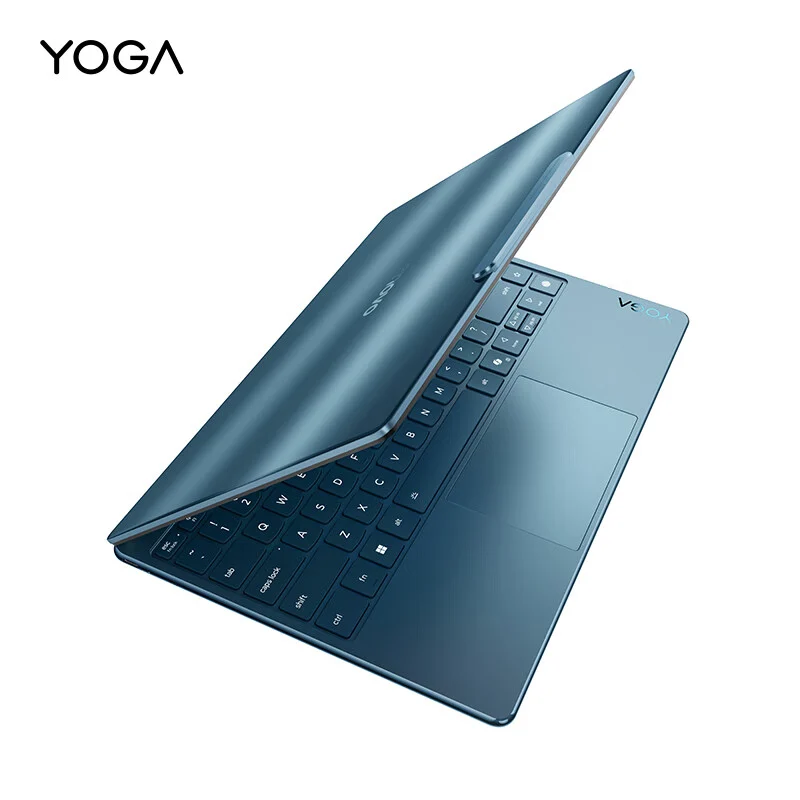
Lenovo claim that high prices for notebooks are set to become “the norm”.
The consumer segment alone fell 9.5%, forcing chains including JB Hi-Fi, Harvey Norman and The Good Guys to lean harder on premium notebook sales just to keep margins intact, a shift that effectively abandons the budget shopper in favour of higher-spending customers.
At the heart of the collapse is a supply chain squeeze that shows no sign of easing. DRAM and NAND, the memory and storage chips that go into every PC, are increasingly being diverted to feed the booming AI server market, starving consumer device makers of affordable components. That has made entry-level PCs all but unviable to produce profitably, with Lenovo already warning that elevated prices are now the new normal, not a temporary spike.
Layered on top of the component crunch is a demand hangover from the Windows 11 refresh cycle, which has already burned through much of the near-term commercial upgrade pipeline, leaving vendors with fewer easy wins heading into the rest of the year.
Omdia is forecasting no relief in the short term, predicting industry-wide declines will continue through the remainder of 2026, with full-year US PC shipments tipped to fall 14.4% compared to 2025.
Consumers Walk Away, Business Buyers Hold the Line
Scott Braverman, Senior Analyst at Omdia, said the impact of supply constraints hit the US market hard in the first quarter, with consumers bearing the brunt. He said many shoppers simply delayed purchases in the face of rising price tags and a tough economic backdrop, even with end of year sales events running. Business shipments fared better, down just 5%, propped up by lingering Windows 11 refresh activity and customers rushing to buy inventory ahead of further price hikes.
Budget-sensitive sectors are also under pressure. The education segment declined 6.2% in the first quarter, an improvement on the double-digit falls of the previous three quarters, but Braverman warned that stabilisation is unlikely to last given how heavily education procurement relies on entry-level devices, which are precisely the machines being hit hardest by rising costs. Government procurement also slipped as agencies grapple with tighter budgets colliding with higher prices.
Both sectors are expected to stay under pressure through 2026, with no real recovery likely until 2027.
Prices Set to Surge as AI PCs Take Over
Average selling prices crept up just 4% year on year in the first quarter, but Omdia is warning that is about to change dramatically. Kieren Jessop, Research Manager at Omdia, said growth in average prices is expected to hit 12% in the second quarter and exceed that mark in the second half of the year as supply pressures intensify.
Driving the increase is the rapid uptake of AI-capable PCs, which now account for 44% of all shipments, with large enterprises increasingly opting for the higher-cost machines. Business PC prices are forecast to climb 11% across 2026, with consumer and government segment prices rising 10%. Education pricing is expected to stay flat, not because costs are falling but because cash-strapped schools are delaying refreshes altogether rather than absorb the increases.
HP Loses Crown as Vendors Reshuffle
The shakeout has scrambled the vendor pecking order. HP suffered the steepest fall of any major player, with shipments down 21.6%, a collapse that cost the company its number one position in the US market.
Dell seized the top spot with a 25% share after posting 1.1% growth despite the broader market contraction, while Lenovo grew 1.2% to reach 20% market share. Both winners clawed gains from the consumer segment, each picking up four percentage points of share year on year and closing the gap on Apple and HP, Acer and Asus sales fell less than expected.
Apple outperformed the market with a shipment decline of just 1.6%, holding a 16.9% share as MacBook adoption continues to grow in business environments, where Apple’s presence has now reached 15.3%. Smaller vendors fared worst of all, with shipments down 13.1%, hammered by their inability to match the component procurement leverage of the major players.