Paramount And Warner Bros. Unite In $116 Billion Skydance Merger As Job Cuts Loom
 Dominic Bayley
07 Oct 2026
Dominic Bayley
07 Oct 2026
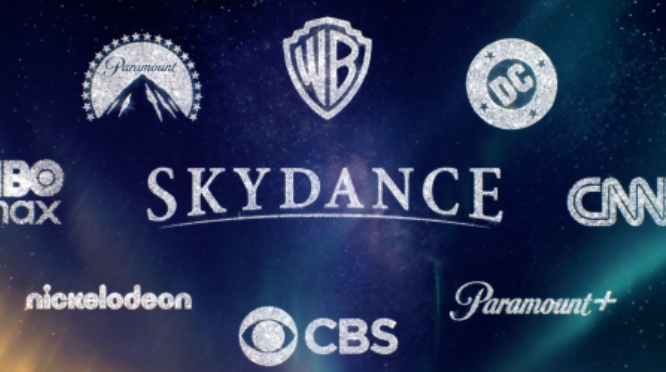
David Ellison has completed his US$81 billion (A$116 billion) merger of Paramount and Warner Bros. Discovery, creating a sprawling new entertainment company called Skydance – with job cuts already looming over the combined business.
The deal officially closed on Tuesday, bringing two of Hollywood’s oldest studios under the same roof alongside HBO Max, Paramount+, CNN, CBS News, CBS Sports and TNT Sports. Skydance also inherits an enormous film and television catalogue containing franchises including Top Gun, Harry Potter, The White Lotus and SpongeBob SquarePants.
But the completion of the merger is also expected to trigger a major restructuring.
Ellison and new co-CEO Ynon Kreiz, the former Mattel chief executive, acknowledged in a memo to employees that integrating the companies would involve difficult workforce decisions.
“Integrating two companies will bring change, including difficult decisions that affect our workforce. We are committed to handling this process thoughtfully and respectfully,” the executives wrote, according to Variety.
Paramount has previously outlined plans to cut US$6 billion in costs over three years, with layoffs expected to contribute to those savings. The prospect has created particular uncertainty at businesses including CNN, while an August report from Los Angeles County warned the merger could result in the loss of around 4,500 film and television jobs.
The deal ultimately cleared one of its final major hurdles after Paramount settled an antitrust lawsuit brought by California Attorney General Rob Bonta and 11 other state attorneys general. The lawsuit argued the merger could reduce competition, increase prices, limit consumer choice and negatively affect workers.
As part of the settlement, Ellison pledged an additional US$1.5 billion in domestic production spending over five years and committed the company to releasing 30 theatrical films annually.
The agreement also includes plans to establish external editorial independence boards for CBS News and CNN, although details about the authority and structure of those boards have yet to be disclosed.
Skydance says the combined company now has more than 200 million streaming subscribers, the largest theatrical output in the industry and what it describes as the most diverse film and television library of any studio.
The business generates close to US$70 billion in annual revenue and is targeting more than US$10 billion in free cash flow by 2030.
The merger also marks the end of Warner Bros. Discovery as a separately traded company. WBD shareholders received approximately US$31.02 per share in cash under the agreement, with its shares ceasing trading on the Nasdaq on Tuesday.
Skydance Class B shares will trade on the New York Stock Exchange under the ticker “SKYD”.
Ellison and Kreiz also defended the decision to use the Skydance name for the combined company rather than incorporating the historic Paramount and Warner Bros. brands into its corporate identity.
The executives said combinations such as WarnerParamount, ParaWarner and ParamountWarner made the two companies appear smaller rather than creating a stronger identity.
Instead, they settled on Skydance, which they said represents “scale and ambition, creativity and imagination, artistry and innovation”. The Paramount mountain and Warner Bros. shield will continue to appear before their respective films.
Ellison founded Skydance as a film and television production company in 2006 before merging it with Paramount in 2025 to form Paramount Skydance. The latest deal dramatically expands that business, bringing the Warner Bros. studio and Discovery assets into the fold.
The merger follows a lengthy battle for Warner Bros. Discovery. Netflix had initially emerged as its preferred buyer before Paramount returned with a higher offer and ultimately secured the company in February.
The transaction was backed by US$47 billion in equity investment from the Ellison family, RedBird Capital Partners, Saudi Arabia’s Public Investment Fund, Qatar Investment Authority and LionTree, with Bank of America, Citigroup and Apollo providing debt financing.
The Ellison family and RedBird now sit at the centre of one of the world’s largest entertainment businesses, spanning movies, television, streaming, news and live sport.
For employees across those operations, however, attention is now likely to turn from completing the blockbuster merger to determining where Ellison’s promised billions of dollars in savings will come from.