Amazon $4M Fire Case Could Have Major Implications For Australian Online Marketplaces
 David Richards
07 Oct 2026
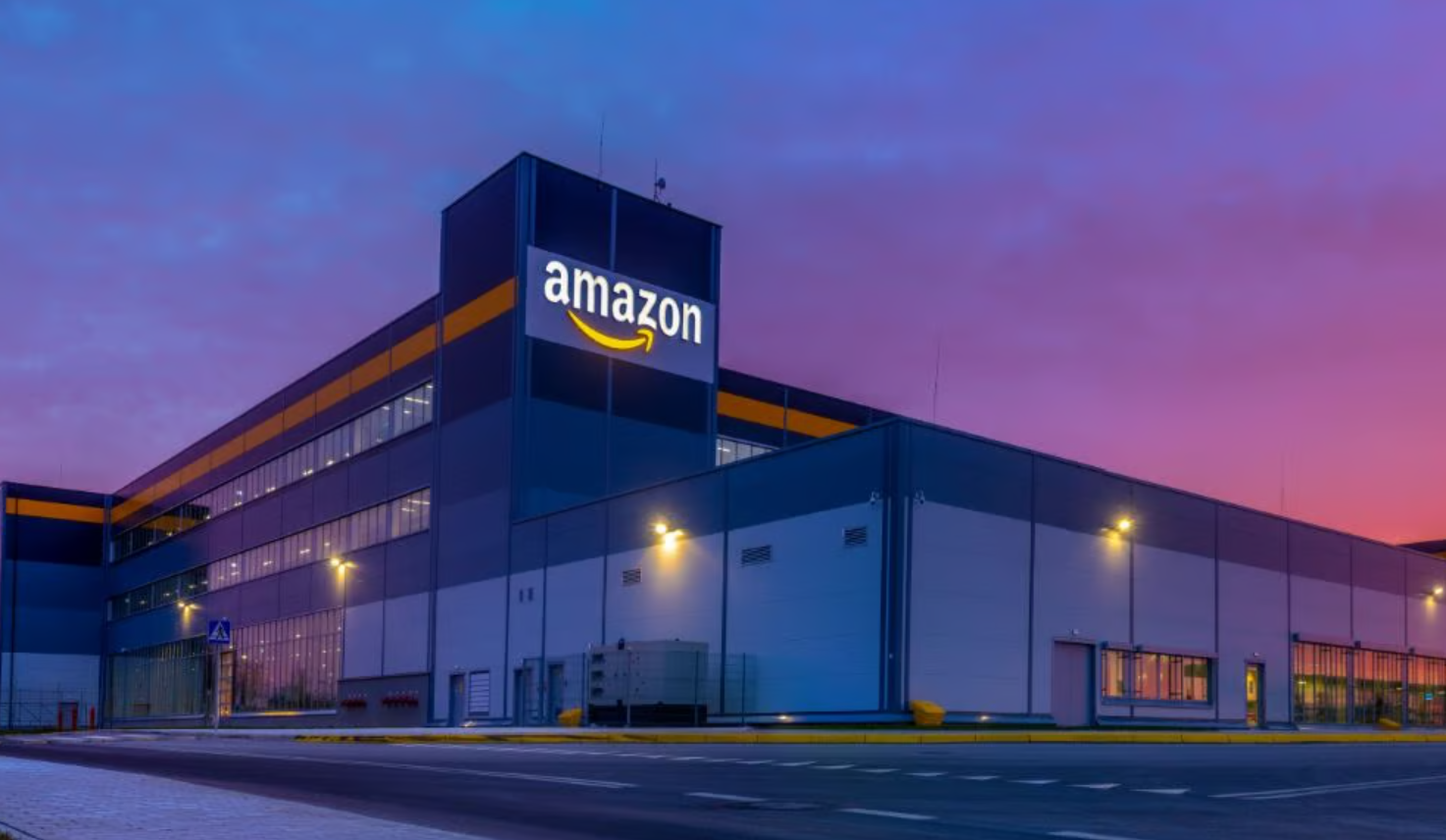
Australian online marketplace operators are watching a potentially significant US product liability battle involving Amazon, after the online giant was sued over a defective mobile phone battery blamed for a building fire that caused almost $4 million in damage.
At the heart of the case is a question increasingly relevant to Australian retailers operating marketplace models: when a dangerous product is sold by an overseas third party through a major online platform, who ultimately carries the liability when the actual seller disappears or becomes insolvent?
The case before the Minnesota Supreme Court could determine whether Amazon can be treated like a traditional retailer or distributor for product liability purposes, despite the company arguing it merely provides a marketplace connecting independent sellers with customers.
The action was brought by Berkley Insurance after a 2018 fire in Minnesota.
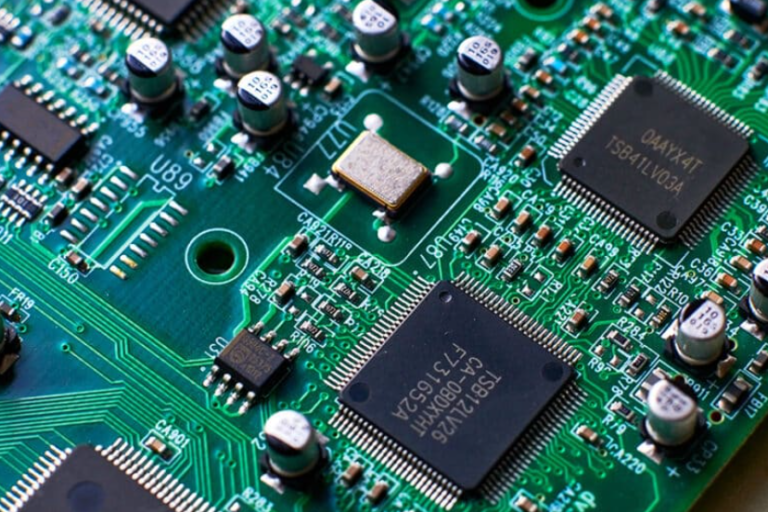
The insurer paid almost $4 million in property damage and alleges the fire was caused by a defective replacement mobile phone battery sold through Amazon.
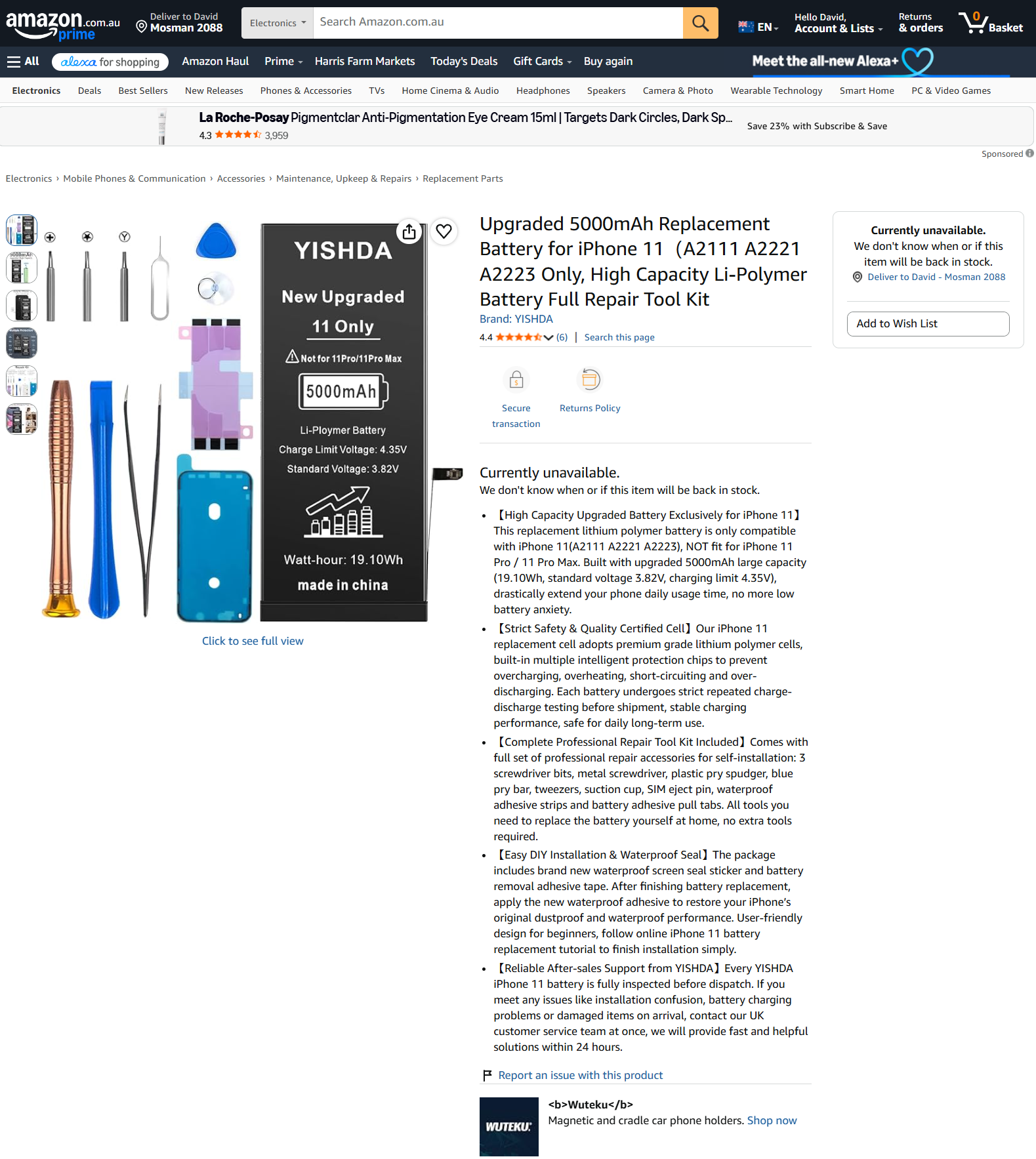
Yishda products are still being ranged on Amazon Australia’s web site ahead of Prime Day Sales with an out of stock warning.
The battery was supplied by Yishda, a Chinese replacement electronics merchant, and was reportedly promoted as an “Amazon’s Choice” product.
The significance of the case extends well beyond Amazon.
Australian retailers have increasingly adopted marketplace models that allow third party suppliers, including overseas manufacturers and distributors, to sell products through established Australian ecommerce platforms.
At the same time, Chinese and other Asian manufacturers are increasingly using marketplace platforms to sell directly to Australian consumers, competing with conventional retail distribution as well as platforms such as Temu.
The Minnesota case could therefore provide an important legal test of where responsibility should sit when a platform markets and facilitates the sale of a product but does not technically own the goods.
Amazon Claims It Is Not The Retailer
Amazon argues that it should not be held strictly liable because it did not manufacture or take ownership of the battery.
Its lawyers claim Amazon functions as an online marketplace rather than a conventional seller or distributor and therefore sits outside traditional product liability rules.
“Amazon is not Walmart,” Amazon attorney Gregory Miller told the court.
“We are not retailing the products.
“We do not select a single product, source it from the manufacturer, put it on a shelf, sell it directly and then reap the profit of the wholesaler.”
The insurer strongly disputes that argument.
Its lawyers claim Amazon performs many of the functions traditionally associated with a retailer, including bringing the product before consumers and facilitating the transaction.
“Retailers who distribute defective products have strict liability for the damages that those products cause,” attorney Jeffrey Markowitz argued.
“Yet today [Amazon] argues it can avoid strict liability that has applied to its brick-and-mortar competitors for decades.”
He told the court Amazon was performing “the functional equivalent of traditional retail sales, just without title.”
Who Pays When The Chinese Seller Disappears?
One of the most significant issues confronting the court is what happens when the third party seller or manufacturer cannot realistically be pursued.
Yishda subsequently became insolvent, severely limiting the insurer’s ability to recover its losses and leaving Amazon as the principal defendant.
That situation has potentially significant implications for the rapidly expanding marketplace model.
Overseas suppliers can gain access to millions of consumers through established online platforms without maintaining the same physical operations, assets or corporate presence traditionally associated with domestic retailers.
Justice Karl Procaccini appeared sceptical of parts of Amazon’s argument and questioned who should ultimately bear the financial risk when products supplied by foreign or insolvent vendors prove defective.
“Why isn’t it fair to hold Amazon to that same basic standard that required the person who marketed the product to the end consumer to identify two things, who’s the manufacturer and then bear the risk if they’re not solvent?” he asked.
The insurer argues Amazon’s control over the transaction and its marketing of products should carry legal consequences regardless of whether Amazon technically held title to the goods.
Markowitz used Walmart as an example, arguing that if the retailer replaced products sitting on shelves with holographic representations while retaining contractual and commercial control of transactions, it would effectively remain a retailer despite never physically touching the merchandise.
Australian Marketplace Question
The arguments could resonate in Australia, where marketplace selling has expanded rapidly.
The fundamental issue is whether major online businesses should be able to benefit commercially from third party transactions while shifting product liability back to overseas suppliers that consumers, insurers and regulators may struggle to pursue.
That question becomes particularly significant when electrical products, batteries, chargers and other potentially hazardous consumer electronics are involved.
Products from Yishda are also listed for sale to Australian consumers through Amazon Australia’s marketplace.
Amazon maintains that existing law does not justify extending traditional strict liability principles to marketplace operators.
The company argues Minnesota law limits liability to businesses actually involved in manufacturing or taking title to products within the distribution chain.
Amazon also warned the court against fundamentally changing established product liability law without clear evidence that ecommerce marketplaces have created a widespread product safety problem.
Its lawyers maintain online marketplaces are not a “rogue entity” requiring a new liability regime.
But the case exposes a much bigger issue for regulators, insurers and retailers as ecommerce increasingly moves away from the traditional model where a retailer buys goods from a supplier and then sells them to consumers.
If courts ultimately determine that marketplace operators can be held responsible for defective third party products, the consequences could extend well beyond Amazon.
It could force marketplace operators to undertake significantly tougher checks on overseas sellers, manufacturers and products while potentially increasing insurance, compliance and operating costs.
For Australian retailers moving aggressively into marketplace models, the US battle is one worth watching.