Disc Is Back: Aussie Brands Charge Into UHD Blu-ray Gap Left By Sony, LG And Samsung
 David Richards
07 Oct 2026
David Richards
07 Oct 2026
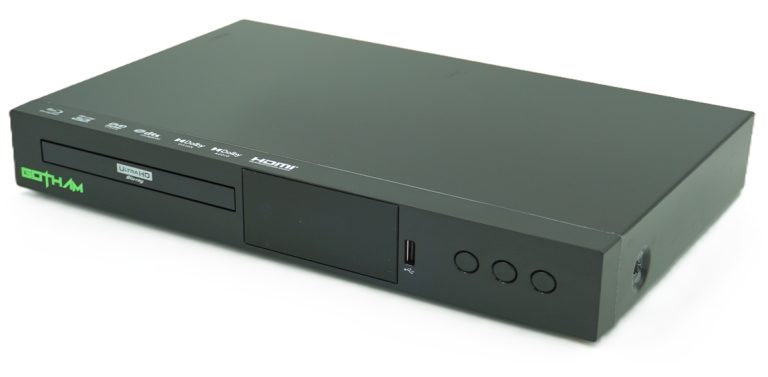
Australian suppliers Laser Corporation and Gotham Audio are moving fast to cash in on a resurgence in demand for 4K UHD Blu-ray players, stepping into a market the world’s biggest consumer electronics brands abandoned.
Sony, LG, Samsung, Oppo and Pioneer have all walked away from optical disc players in recent years as streaming gutted sales. Now local players are filling the vacuum, betting that collectors fed up with compressed streams and disappearing digital libraries will pay for physical media again.
Retailers are already backing the trend. JB Hi-Fi is expanding its range of 4K disc content and CDs, and several suppliers are set to launch new CD players in the coming months.
Laser Back In The Game
Laser Corporation re-entered the market last month with a China-sourced UHD Blu-ray player priced at $499 on its website.
The player supports 4K with HDR10 and Dolby Vision and features dual HDMI outputs.
Gotham Targets Cinephiles
Gotham Audio, owned by Indi Imports and sold through Rio Sound & Vision and Tivoli Hi Fi, has launched the GA-BD801 at $599 through specialist AV retailers.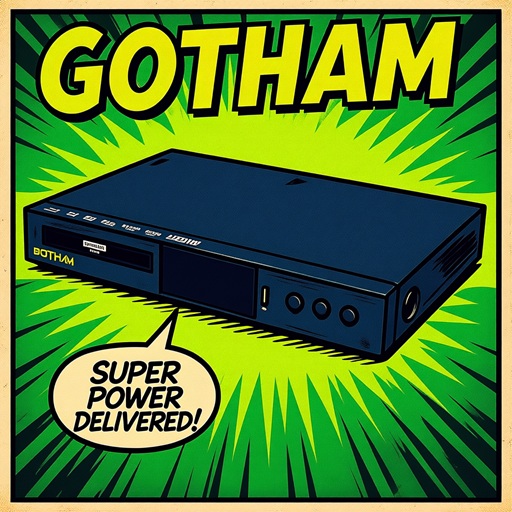
The GA-BD801 plays UHD Blu-ray with HDR10 and Dolby Vision, and adds analogue 7.1 outputs alongside dual HDMI, a feature aimed squarely at high-end home theatre owners. It is region-unlocked for Blu-ray and DVD, while UHD Blu-ray discs are region-free by design.
“We saw a gap in the market as other brands stepped away, and we wanted to ensure cinephiles still have access to a premium, high-performance player at a reasonable price,” Sean Bradford, Marketing for Gotham Audio, told FlatpanelsHD.
Bradford said demand in Australia had surprised on the upside.
“The reception has been very strong. What we’re hearing from consumers in the last 12 months is renewed appreciation for physical media. Enthusiasts are tired of compressed streaming quality and the unreliability of digital ownership,” he said.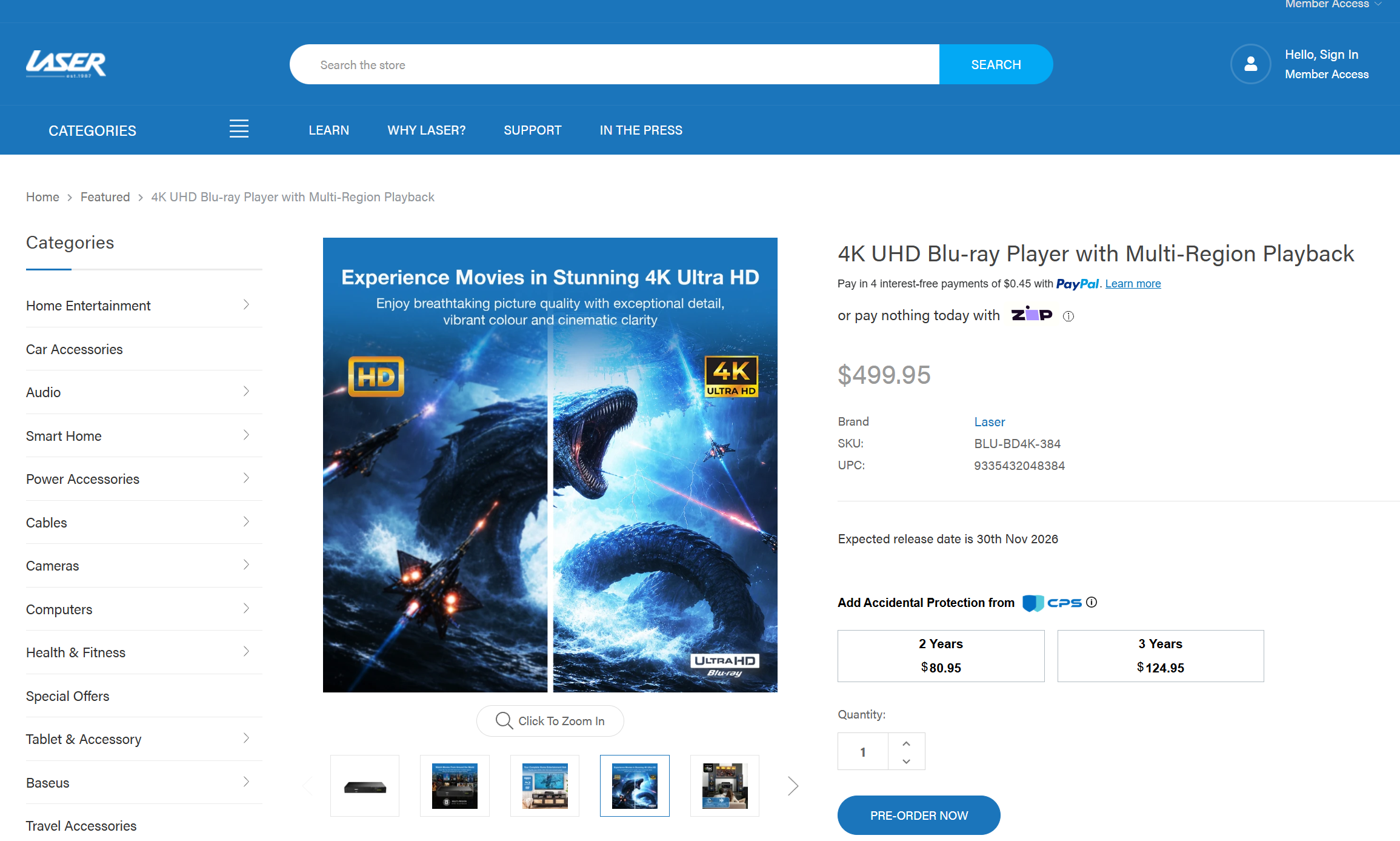
Why Disc Still Beats Streaming
The quality gap is the core of the sales pitch. A UHD Blu-ray stores a film on discs of up to 100GB and delivers video at bitrates commonly between 50 and 100Mbps, with a ceiling above 120Mbps. A 4K stream from Netflix or Disney+ typically runs at 15 to 25Mbps, meaning streamers throw away the bulk of the picture data to fit down a home broadband connection. The result on disc is sharper fine detail, cleaner dark scenes and far less banding and blocking in fast action and HDR highlights. Audio is a similar story: discs carry lossless Dolby TrueHD, Dolby Atmos and DTS:X soundtracks, while streaming services rely on compressed Dolby Digital Plus. For owners of large OLED and Mini LED TVs and serious home theatre systems, the difference is immediately visible and audible.
Sales Turning
According to FlatpanelsHD, sales of UHD Blu-ray movies have returned to growth, creating fresh opportunities for CE and audio retailers. CDs are also staging a strong comeback on the back of the vinyl revival, although there is no sign of a DVD recovery.
Whether the uptick becomes a sustained turnaround remains to be seen, but physical media has been thrust into the spotlight after Sony announced plans to abandon game discs on PlayStation. The backlash from gamers has been intense and has reignited the broader fight over physical versus digital ownership.