Panasonic Ramps Up In-Flight Entertainment Production As Airline Demand Takes Off
 Emma Wheaton
17 Sep 2026
Emma Wheaton
17 Sep 2026
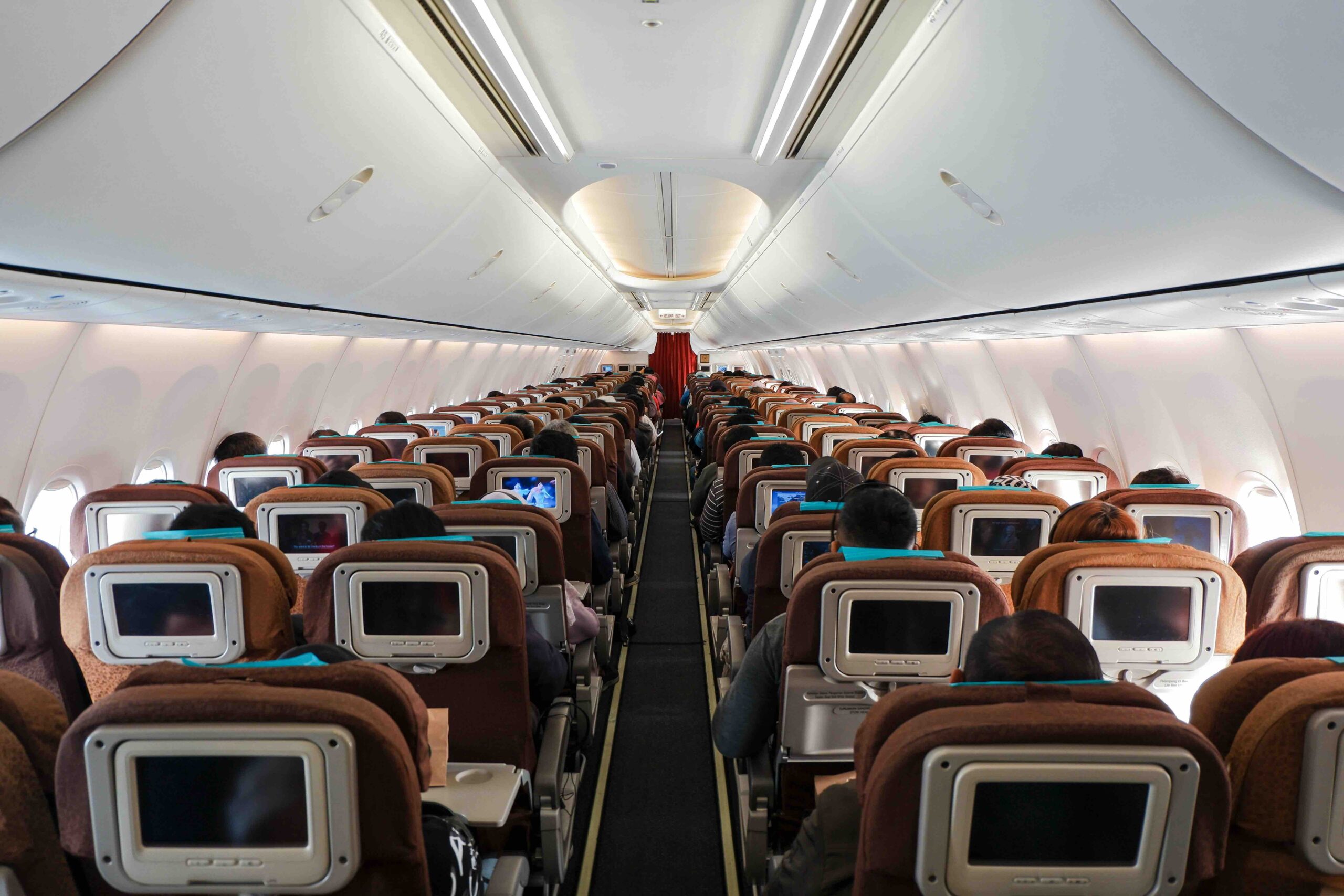
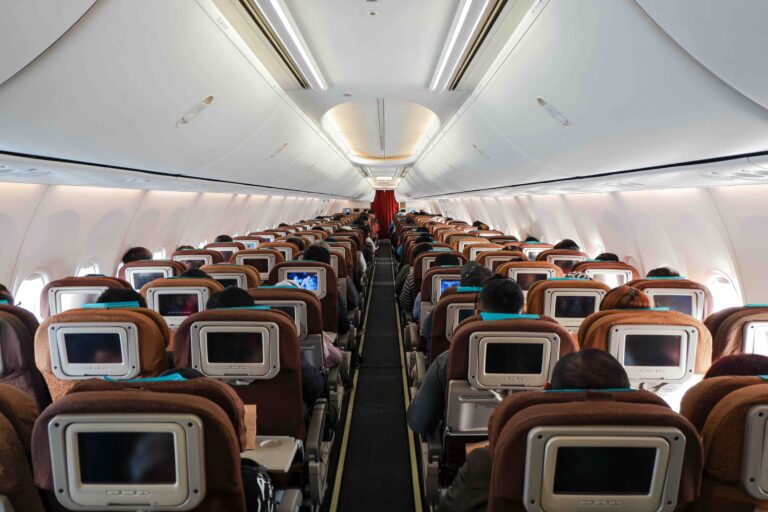
Panasonic is preparing to increase production of in-flight entertainment (IFE) systems as airlines ramp up investment in passenger experience technology and demand for new aircraft grows.
The Japanese electronics group is expanding manufacturing of its Astrova in-flight entertainment (IFE) platform at its Osaka facility, with production capacity for Astrova systems reportedly increasing sixfold. The expansion comes as Panasonic seeks to meet growing demand from airlines for larger, higher-resolution seatback displays and more integrated entertainment and connectivity services.
Panasonic Avionics, the group’s aviation technology business, has nearly doubled the size of the Osaka production facility over the past two years to more than 10,000 square metres. Production space has increased by about 1.8 times, while equipment capacity has doubled, according to information published by Panasonic Avionics executives and the company.
The company is a major supplier of entertainment and connectivity systems to airlines across the globe, with its technology installed in hundreds of aircraft. According to Panasonic, more than 2.7 billion passengers use Panasonic-equipped aircraft each year.
The investment is centered on Panasonic’s latest-generation Astrova platform, which uses 4K OLED displays and combines seatback entertainment with connectivity, device integration and charging capabilities. Panasonic says the system has been selected for more than 130 airline programmes worldwide. It has already been selected by carriers including United Airlines, Qatar Airways, Saudi Airlines and Icelandair.
The company is also developing upgrade options for airlines that are not yet ready to replace their existing systems.
Its new eXNeo platform, for example, is designed as a drop-in replacement for Panasonic’s older X Series monitors. The eXNeo is an upgraded computing platform designed to provide substantially more processing power, memory and storage. This means airlines can upgrade processing performance, storage and Bluetooth capabilities without replacing the existing aircraft seats or needing to undertake re-certification.
The company expects eXNeo to enter service in 2027 and it has identified a potential market of more than 1.25 million seats fitted with X Series monitors.
Panasonic is also focusing on the growing connectivity market with its offering going beyond traditional entertainment to include things like satellite connectivity and systems that can connect passengers with content and services throughout the flight.
The expansion comes as there is increasing demand for connected aircraft. Airlines are investing in faster onboard Wi-Fi, streaming services and more personalised digital experiences, and seatback screens continue to remain important on long-haul flights.