Giant 111-Inch OLED TVs Could Be Coming As LG Expands Production
 Dominic Bayley
02 Nov 2026
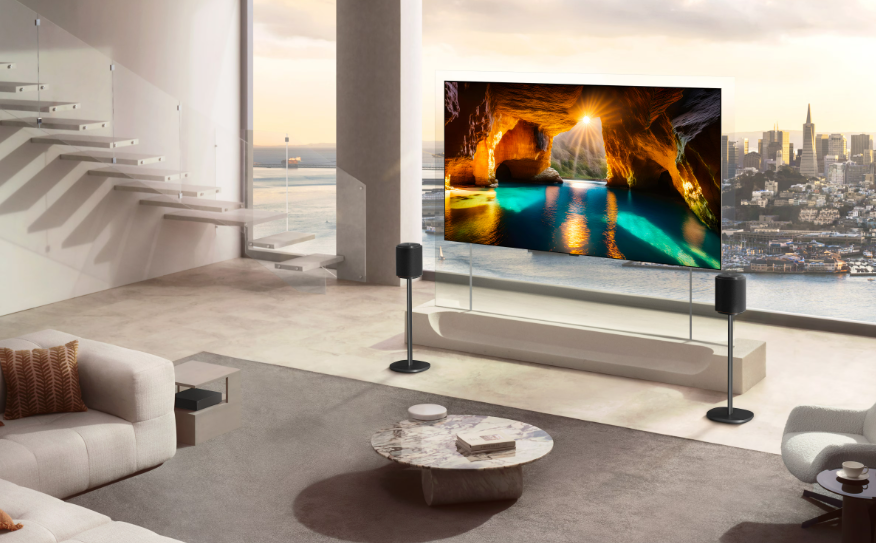
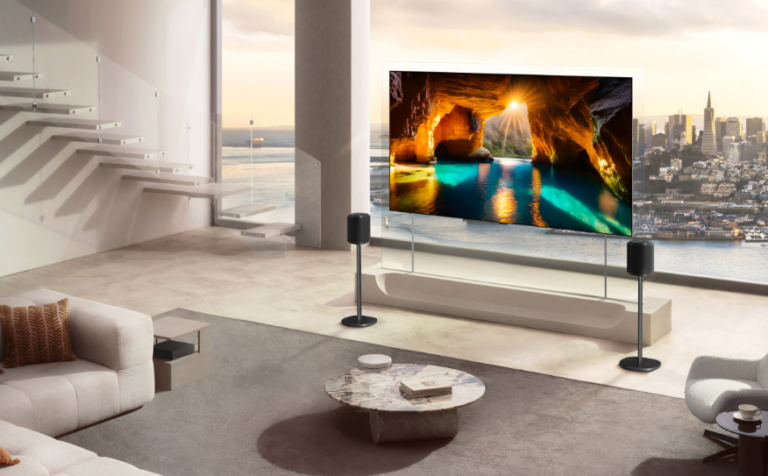
The market for televisions measuring 100 inches and larger could be heading for a major shake-up, with LG Display preparing to expand production of giant OLED panels that could eventually challenge the dominance of Mini LED technology.
Until now, Mini LED has largely dominated the ultra-large television market because manufacturing OLED panels at these sizes remains expensive and technically challenging.
However, a new investment in LG Display’s Chinese manufacturing operations could help overcome some of those limitations, potentially paving the way for larger and more affordable OLED televisions.
According to reports from Chinese media outlets, cited by FlatPanelsHD and market research firm TrendForce, Guangzhou Development Zone Holdings Group and LG Display are planning a joint investment of RMB1 billion, equivalent to approximately A$210 million, in LG Display Optoelectronics Technology’s Guangzhou manufacturing facility.
The investment will support additional production lines for OLED panels measuring 77, 83, 97 and 111 inches.
The biggest development is the proposed 111-inch OLED production line, which TrendForce describes as the world’s first dedicated module production line of its size using large-screen OLED technology.
If successful, the expansion could help television manufacturers introduce OLED models exceeding 100 inches, a segment currently dominated by Mini LED and other LCD-based display technologies.
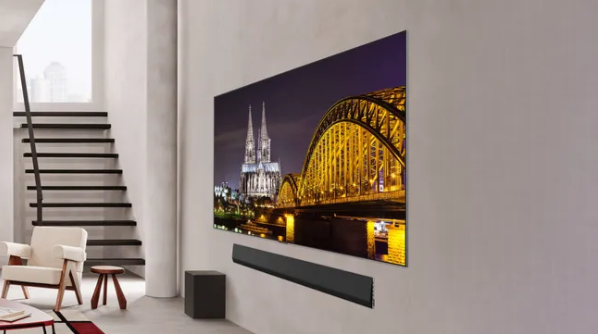
OLED technology offers several advantages over conventional LCD televisions, including individually illuminated pixels that deliver deep blacks, excellent contrast and precise control over light.
Unlike Mini LED televisions, which rely on thousands of tiny LEDs to illuminate an LCD panel, OLED displays produce their own light and do not require a separate backlight.
However, producing OLED panels at extremely large sizes presents significant manufacturing challenges.
One of the biggest obstacles is production yield, with larger panels more susceptible to defects that can make manufacturing prohibitively expensive.
Improving production efficiency and reducing panel failure rates could help manufacturers bring down costs, making ultra-large OLED televisions more commercially viable.
The proposed Guangzhou expansion could also strengthen LG Display’s position as television manufacturers increasingly compete to offer larger screens for home entertainment.
Consumers have shown growing interest in televisions measuring 85 inches and above, with brands including Samsung, TCL and Hisense expanding their large-screen Mini LED ranges.
For OLED manufacturers, competing in this category has been difficult because of the substantial price difference between the two technologies.
While LG already offers a 97-inch OLED television, moving beyond the 100-inch barrier could open a new premium category for home cinema enthusiasts.
There is no guarantee, however, that improved manufacturing efficiency will translate into significantly lower retail prices.
Television manufacturers will ultimately decide whether to use the larger panels and how much of any production savings they pass on to consumers.
LG Display has also not confirmed when televisions incorporating the proposed 111-inch panels might reach the market, or whether they will be available in Australia.
Nevertheless, the investment suggests the industry is moving closer to overcoming one of OLED technology’s biggest limitations.
For consumers dreaming of a wall-sized OLED television, the prospect of a 111-inch screen becoming a commercial reality may no longer be quite so distant.