Oz Banks Pay Apple $112M In Annual Fees
 Nathan Jolly
14 Dec 2022
Nathan Jolly
14 Dec 2022
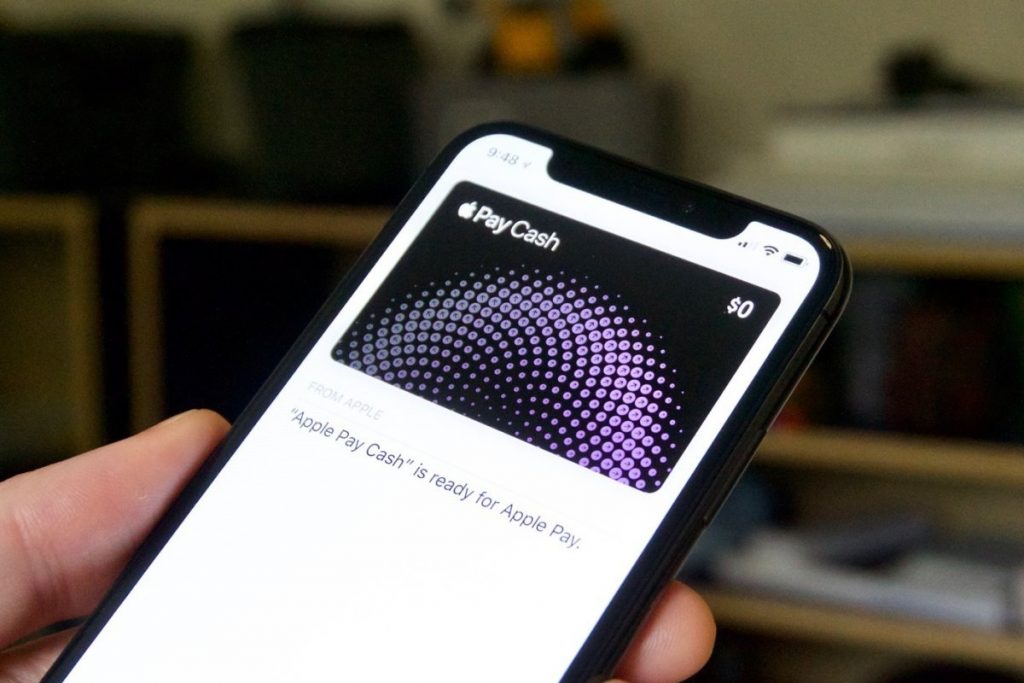
The ease of the iPhone’s tap-and-go system is costing Australian banks at least $112 million in fees each year.
This is according to calculations made by the AFR, using information revealed in a US class action lawsuit against Apple, and Reserve Bank data on digital wallet usage in Australia.
The $112 million figure is made up of $22 million from debit card transactions, and $90 million for credit cards.
The RBA’s Philip Lowe and Assistant Treasurer Stephen Lowe addressed the annual payment industry event hosted by AusPayNet in Sydney today.
At last year’s event, Lowe called for laws to limit Apple’s increasing power in the Australia financial sector.
“The payments ecosystem is becoming more complex and there are many more entities in the payments chain than there used to be,” Lowe said at last year’s AusPayNet event.

“If the RBA is to meet its broad mandate to promote competition, efficiency and stability then we need to modernise the definitions that were included in the legislation more than two decades ago.”
This morning, Lowe welcomed the Federal Government’s consultation paper on the payments landscape.
In his keynote named “An Efficient, Competitive and Safe Payments System”, Lowe outlined the RBA’s work in this regard.
“From our perspective, one reform priority is the establishment of a new licencing regime for payment service providers,” Lowe said.
“This could help overcome some of the challenges faced by PSPs seeking to enter the Australian market.”
Currently, the RBA has limited powers to regulate payment systems, with Apple Pay falling outside their control.
Apple told a parliamentary inquiry on digital wallets that its fees make up a “tiny fraction” of the $3 billion in payment-related costs banks shell out each year.
These AFR calculations are the first time this data has been made public.