Oppo Takes Aim At Apple And Samsung With New 200MP Hasselblad Camera Smartphones
 David Richards
22 Oct 2026

Chinese smartphone giant Oppo is making an aggressive push into Australia’s premium smartphone market, armed with new Hasselblad camera technology, 200MP sensors and a strategy aimed at doubling sales of its high-end devices.
Oppo, the world’s fourth-largest smartphone manufacturer, has unveiled its new Find X10 Series, with Australian pricing reaching A$2,699 as the Chinese technology group moves to challenge Apple and Samsung for a bigger share of the lucrative premium smartphone market.
At the centre of Oppo’s latest assault is a sophisticated camera system developed in partnership with Swedish camera manufacturer Hasselblad, which the company believes will appeal to consumers who want professional-quality photography without having to carry expensive cameras and interchangeable lenses.
The new Find X10 $2,699 features a dual 200MP camera system, while the flagship Find X10 Pro Max goes further, incorporating 200MP sensors across its ultra-wide, main and telephoto cameras.
Both devices also benefit from Oppo’s LUMO True Image Engine, with dedicated Hasselblad Teleconverter Kits designed to extend the photographic capabilities of the smartphones.
I recently saw elements of Oppo’s new camera technology during a visit to the company’s operations in China, where senior management outlined ambitious plans to significantly expand its premium smartphone business.
Executives told me the company was targeting a doubling of premium smartphone sales in several international markets, including Australia and Europe.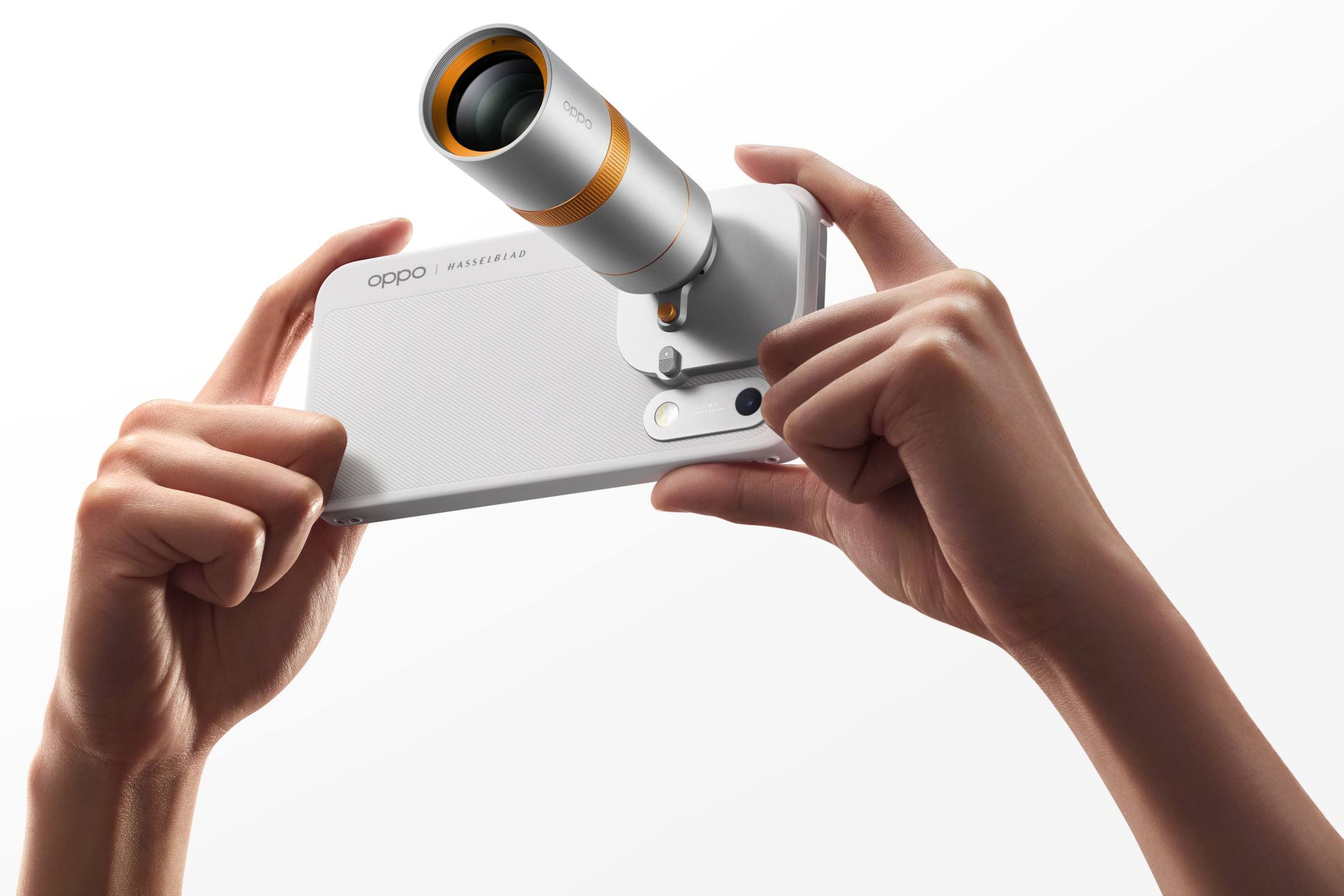
The strategy represents a significant shift for Oppo, which has historically competed aggressively in the mid-market smartphone category but is now looking to capture consumers prepared to spend more than A$2,000 on a mobile device.
The new Find X10 Series was unveiled overnight at a major launch event in Mallorca, Spain, a market Oppo believes offers considerable growth opportunities.
In Australia, the Find X10 will retail for A$2,299, while the flagship Find X10 Pro Max will cost A$2,699.
Pre-orders open today, 22 October 2026, with retail sales commencing on 29 October.
The move comes as Apple and Samsung face increasing pressure from Chinese smartphone manufacturers that are investing heavily in camera technology, artificial intelligence and premium handset design.
It also comes at a difficult time for the global smartphone industry, with rising memory prices and component shortages forcing manufacturers to reconsider their reliance on high-volume, low-margin devices.
For Oppo, the answer is to sell more premium smartphones with advanced technology that consumers are prepared to pay a higher price for.
The company’s latest flagship, the Find X10 Pro Max, is powered by MediaTek’s Dimensity 9600 Pro processor, manufactured using Taiwan Semiconductor Manufacturing Company’s advanced 2nm process technology.
This is the same semiconductor manufacturing node used for Apple’s latest iPhone 18 Pro and iPhone Duo processors, putting Oppo’s flagship in direct competition with Apple’s most advanced smartphones.
However, Oppo believes its biggest point of differentiation is photography.
Its partnership with Hasselblad, one of the world’s most recognised premium camera brands, has become central to its efforts to convince consumers that a smartphone can replace much of the equipment traditionally carried by serious photography enthusiasts.
The company is also targeting consumers who want advanced zoom capabilities, improved low-light photography, accurate colour reproduction and high-quality video without the complexity of operating a dedicated camera system.
For Australian retailers, the arrival of another premium smartphone competitor creates an opportunity to sell higher-value devices at a time when the broader smartphone market is under pressure.
But it also puts Oppo into direct competition with Samsung’s premium Galaxy smartphones and Apple’s iPhone Pro range, both of which have established customer bases and strong retail distribution.
Oppo’s overseas chief marketing officer, Ling Liu, says the company’s Find Series has become central to its strategy of moving consumers towards more expensive devices.
“Premiumisation is not a pricing strategy. It is a value-creation strategy. Find series is our spearhead for premiumization, helping us turn technological innovation into stronger brand equity and sustainable business growth,” Liu said.
She acknowledged that the smartphone industry was facing significant cost pressures.
“Rising memory and component costs are adding pressure across the industry, making scale alone less sufficient and increasing the importance of value creation, product differentiation, and sustainable growth,” she said.
“A strong product portfolio is not about winning every price segment with volume, but about delivering the right value to the right consumers.”
Oppo’s shift towards premium devices is already delivering results in Europe.
In the UK, the Find Series now accounts for almost 50% of Oppo’s total smartphone shipments.
Over the past two years, the premium smartphone segment’s share of Oppo’s shipments has doubled year on year, highlighting the growing importance of higher-priced devices to the company’s business.
Oppo is also maintaining a strong position across Southeast Asia, where it claims to rank second overall, with leading market positions in Malaysia and Thailand.
Research group Omdia estimates Oppo holds a 15.4% share of the Greater China smartphone market, including Hong Kong.
However, the company’s Australian ambitions come as the global smartphone industry faces one of its most difficult periods in years.
According to Omdia, smartphones priced below US$200 accounted for 41% of global shipments during the first half of 2025.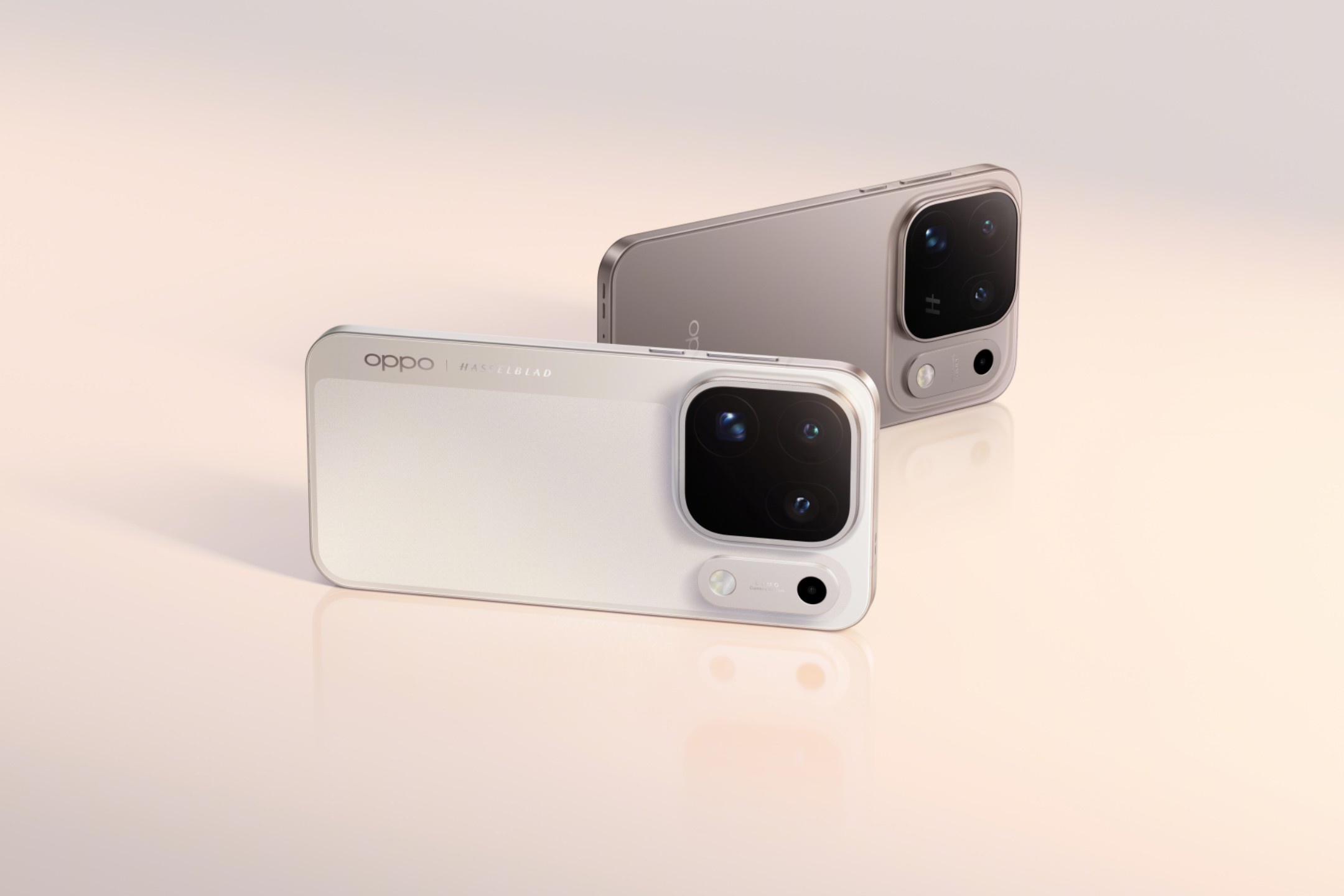
By the first half of 2026, that share had collapsed to 31%.
Over the same period, smartphones priced above US$1,000 increased their share of global shipments from 13% to 17%.
The figures highlight how rising component costs are reshaping the market, with manufacturers increasingly concentrating on higher-margin products rather than chasing sales volumes at the bottom end.
Omdia is forecasting a 12% decline in global smartphone shipments during 2026, followed by another contraction in 2027.
The research company’s analyst Runar Bjorhovde believes the industry is undergoing a fundamental structural change.
“The smartphone industry is undergoing the most transformational period in its history. Following two years defined by emerging market expansion, premiumization, and generative AI integration, the market has been hit by its worst supply chain bottleneck yet,” Bjorhovde said.
“Driven by the ongoing memory crunch, vendors have rapidly shifted their focus from volume growth ambitions towards revenue and profit targets that can boost long-term operational sustainability.”
Oppo believes its international manufacturing operations will help protect the company from some of the supply chain disruption.
In addition to two manufacturing centres in China, Oppo operates production facilities in several other countries, providing greater flexibility as manufacturers compete for increasingly expensive components.
For Australian consumers, the immediate question is whether Oppo’s Hasselblad camera technology and advanced imaging capabilities are enough to persuade buyers to abandon Apple or Samsung.
At A$2,699, the Find X10 Pro Max is no longer competing as a cheaper Chinese alternative.
It is competing directly against the most expensive mainstream smartphones on the market.
And with Oppo now targeting a substantial increase in premium sales, the battle for Australian consumers who are prepared to pay more for camera technology is set to intensify.