Bose Buys Skullcandy, Questions Raised Over Future Of Both Brands Distribution
 David Richards
22 Oct 2026
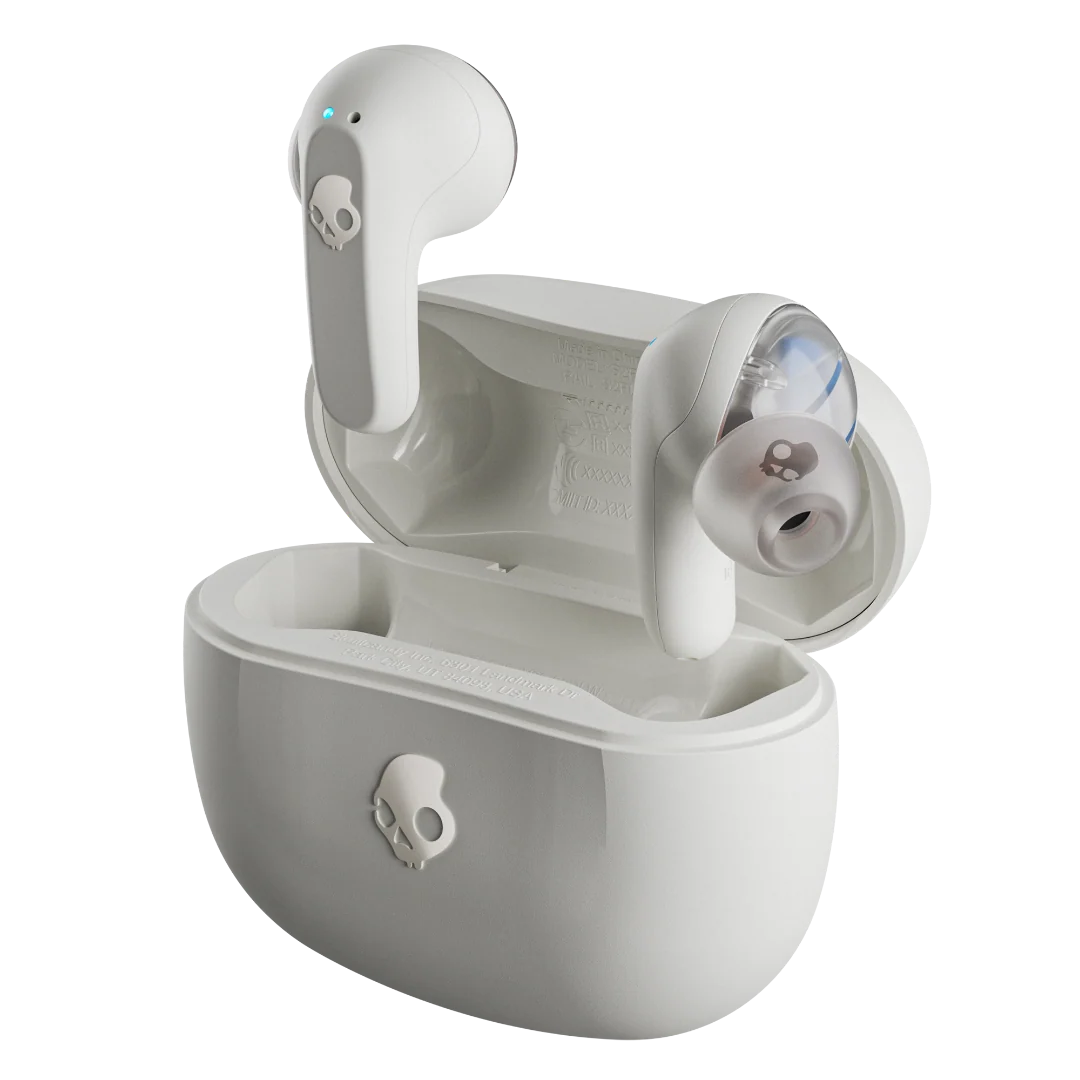
Bose has acquired rival headphone brand Skullcandy in a move that could reshape the affordable premium headphone market, with questions now being raised about the future distribution deal of Skullcandy’s Australian distributor, and whether the US audio giant will eventually take greater control of the brand’s local retail operations or whether Aquipa will take over distribution of Bose products with both brands proving highly popular at JB Hi Fi stores.
The acquisition follows a technology partnership between the two companies that saw Bose contribute its audio expertise to the development of a new generation of Skullcandy headphones and earbuds.
The relationship helped Skullcandy move beyond its traditional position as a value headphone brand, with products incorporating Bose technology designed to appeal to consumers wanting premium sound without paying the prices associated with flagship Bose, Sony or Apple products.
In Australia, Skullcandy has been repositioning itself with the support of distributor Aqipa, which has been responsible for expanding the brand’s retail presence and promoting its move into the affordable premium market.
Now that Bose owns the business, the question is whether Aqipa will retain its existing distribution arrangements or whether Bose will eventually look to consolidate Skullcandy into its own Australian operations.
There has been no confirmed announcement of a change to Aqipa’s distribution rights, and the acquisition does not automatically mean existing agreements will be terminated.
However, the deal raises broader questions about the future positioning of both brands, particularly as Skullcandy increasingly adopts technologies previously associated with more expensive Bose products.
From Skateboards And Snowboards To Premium Audio
Founded in Utah in 2003 by Rick Alden and Cris Williams, Skullcandy built its reputation by targeting a younger generation of consumers who wanted headphones that were as much a fashion statement as an audio accessory.
Unlike Bose, which built its reputation around acoustic engineering, noise cancellation and premium sound, Skullcandy concentrated on distinctive designs, aggressive pricing and marketing relationships with skateboarders, snowboarders, surfers and action sports athletes.
The brand became particularly popular among younger consumers, establishing a presence in sporting goods retailers, electronics stores and lifestyle outlets.
Its distinctive skull logo became a recognisable feature of the headphone market, while its emphasis on bass-heavy audio helped differentiate its products from traditional audio brands.
Skullcandy floated on the Nasdaq in 2011 before being taken private in 2016 in a transaction valued at approximately US$196.6 million, with investment firm Mill Road Capital ultimately acquiring the business.
The company subsequently expanded its product portfolio beyond inexpensive wired headphones into wireless earbuds, gaming headsets and more sophisticated noise cancelling products.
Among its best-known products is the Crusher range, which uses adjustable sensory bass technology to deliver a physical sensation alongside low-frequency audio.
This has helped Skullcandy develop a distinctive identity in a market increasingly dominated by Apple, Sony, Bose, Samsung and a growing number of Chinese headphone manufacturers.
The brand’s more recent strategy has been to combine that identity with improved acoustic performance and more advanced technology.
Bose Technology Changes The Equation
The relationship between Bose and Skullcandy became more significant when the companies collaborated on products incorporating Bose audio technology.
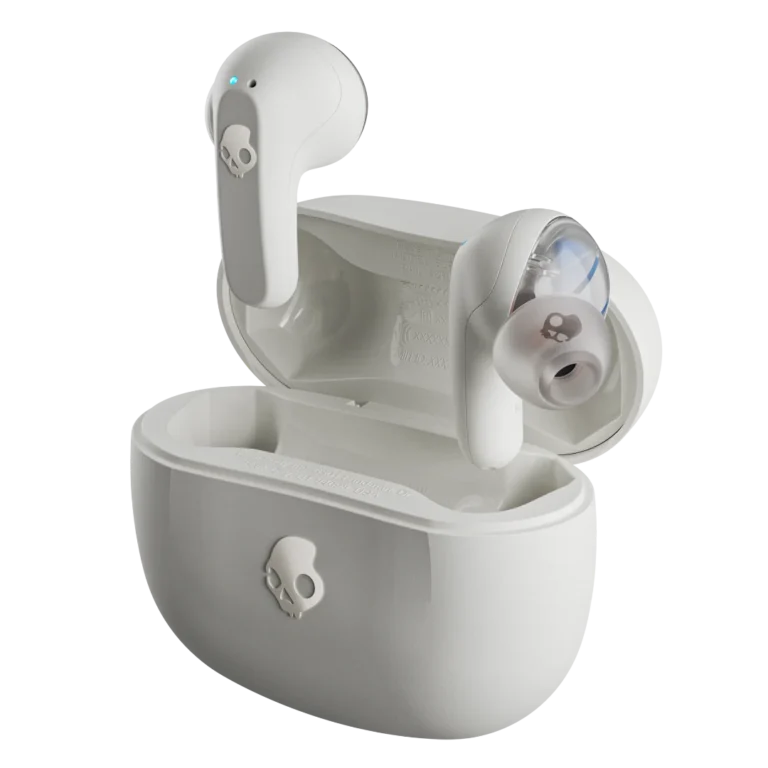
These included the Method 360 ANC earbuds and the Crusher 540 Active Noise Cancelling headphones, which demonstrated Skullcandy’s ambition to compete in higher-priced categories.
The collaboration allowed Skullcandy to benefit from Bose’s expertise while retaining its own branding, product design and customer base.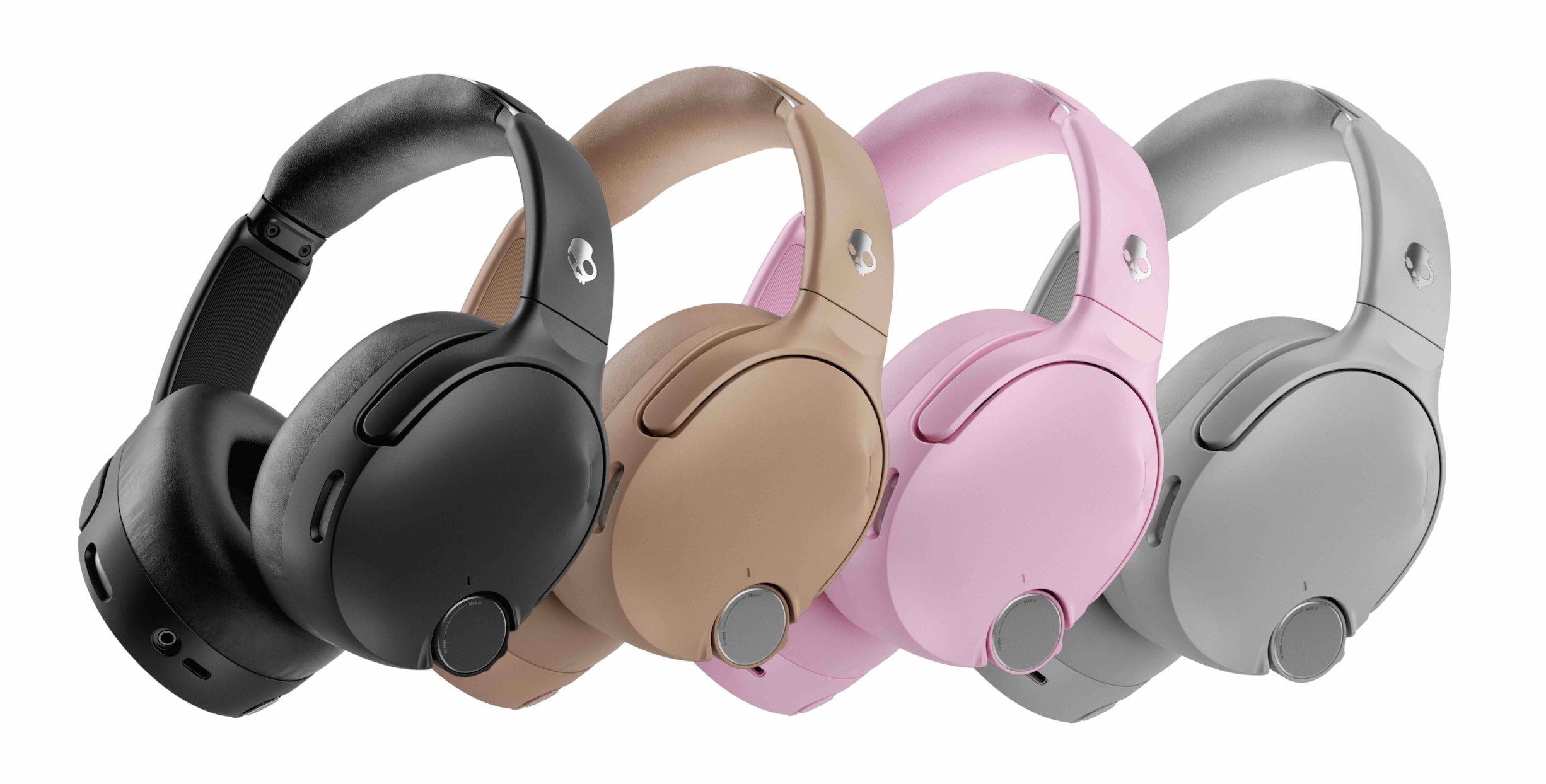
For Bose, the relationship provided an opportunity to extend its technologies into market segments where its own premium products had traditionally been less competitive on price.
Now the acquisition takes that relationship considerably further.
According to industry sources, Bose intends to retain Skullcandy as a separate brand within its expanding consumer audio portfolio rather than immediately absorbing the business into the Bose name.
That would allow the company to target different consumer groups without diluting the premium positioning of its core Bose products.
Bose chief executive Lila Snyder said the acquisition was consistent with the company’s strategy of reaching more consumers through technology partnerships and an expanding collection of audio brands.
“For more than 60 years, Bose has been committed to delivering incredible audio experiences however and wherever people choose to listen,” Snyder said.
“As we work to reach even more people, we’re expanding how we do that, not only through Bose products, but through technology partnerships and a growing portfolio of brands.”
The acquisition also gives Bose access to Skullcandy’s relationships with action sports athletes, musicians and younger consumers, an audience that differs from the traditional Bose customer base.
New Products Signal A More Aggressive Strategy
Skullcandy’s latest products demonstrate how the partnership with Bose was already changing the brand before the acquisition.
The Crusher 1080 ANC headphones combine Skullcandy’s patented sensory bass system with several Bose technologies, including QuietControl noise cancellation, TrueSpatial audio with head tracking, WaveForm audio processing and SpeechClarity for improved voice calls.
The Method 360 ANC and Method 540 ANC earbuds also incorporate Bose tuned sound, adjustable noise cancellation and features designed to appeal to consumers looking for premium performance at more accessible prices.
The Method 540 ANC adds Skull AI, a voice assistant developed with Bragi that offers hands-free controls and access to AI-powered functions.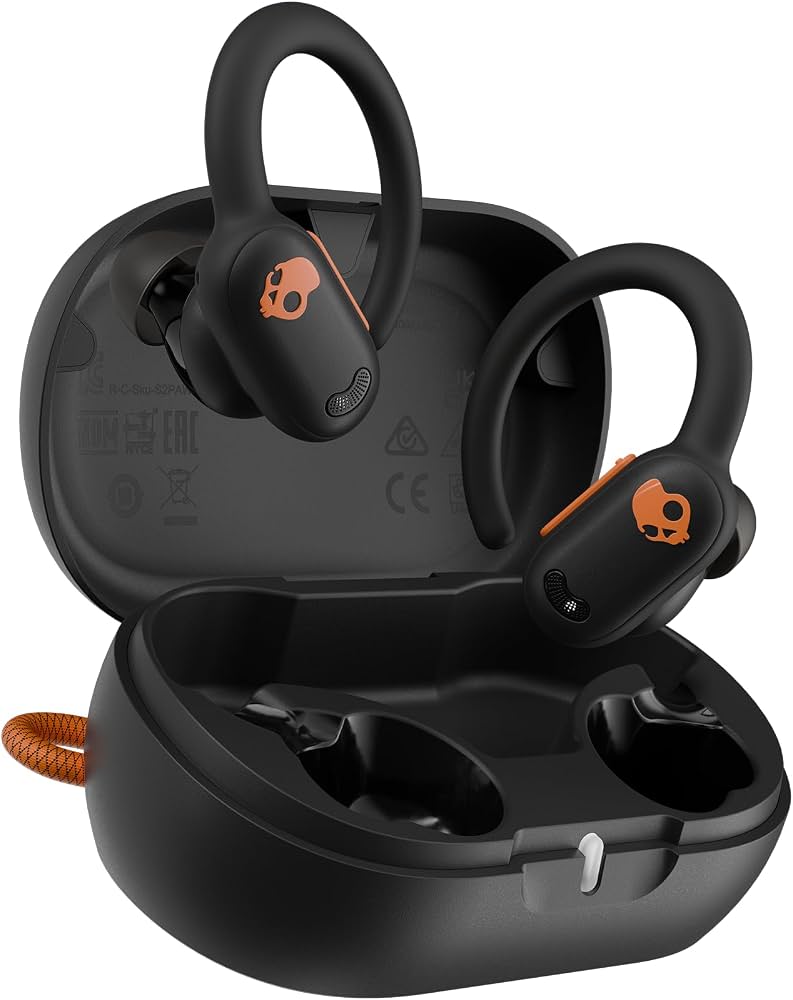
These products are important because they allow Skullcandy to compete on audio performance rather than relying primarily on aggressive pricing and distinctive styling.
Bose Builds An Audio Empire
The Skullcandy acquisition is the latest in a series of deals that suggest Bose is transforming itself from a premium headphone and speaker manufacturer into a much broader audio technology business.
In 2024, Bose acquired the McIntosh Group, bringing the prestigious McIntosh and Sonus faber brands into its portfolio.
Those brands operate at the luxury end of the market, with high-end amplifiers, speakers and home audio systems selling for considerably more than conventional Bose consumer products.
Skullcandy gives Bose an opportunity at the opposite end of the market, where younger consumers and price-conscious buyers are looking for better technology without the premium price tag.
Bose has also been expanding its technology capabilities.
In June 2026, it acquired Austria’s StreamUnlimited Engineering, a specialist in connected audio software and hardware platforms.
The acquisition gives Bose greater access to technologies used in connected speakers, smart home systems, smartphones and other devices.
Earlier this month, Bose announced the acquisition of Australian-founded Firelight Technologies, the developer of FMOD interactive audio software widely used by the gaming industry.
That transaction provides Bose with an opportunity to expand into gaming, immersive audio, virtual reality and automotive applications.
Bose has also established Bose Studios and Bose Records, extending its interests into music and content development.
The result is a business increasingly operating across multiple levels of the audio market, from luxury home entertainment to gaming technology, connected devices and now affordable premium headphones.
What Happens To Aqipa In Australia?
For Australian retailers and distributors, the immediate issue is whether Bose intends to maintain Skullcandy’s existing distribution model.
Aqipa has been involved in the brand’s local repositioning, with Skullcandy seeking to move away from being perceived primarily as a low-cost headphone manufacturer.
That strategy has become increasingly relevant as Australian retailers face competition from JBL, Sony, Apple, Samsung, Soundcore and several emerging Chinese audio brands.
With Bose now controlling Skullcandy, the new owner has several options.
It could retain Aqipa as the local distributor, allowing Skullcandy to continue operating independently while benefiting from Bose’s engineering and product development resources.
Alternatively, Bose could eventually seek to integrate elements of Skullcandy’s sales, marketing, logistics and retailer relationships into its existing Australian business.
A third possibility is that Skullcandy retains separate distribution while Bose takes greater control of product strategy, pricing and global marketing.
At this stage, there is no public confirmation that Bose intends to change Skullcandy’s Australian distribution arrangements.
For Aqipa, much will depend on the terms of its existing agreement and whether Bose believes the current model offers the most effective route to market.
The Bigger Threat To Rival Headphone Brands
The acquisition also has implications for competitors.
By combining Bose technology with Skullcandy’s more accessible pricing and youth-oriented branding, the enlarged group could become a stronger competitor across several headphone categories.
Bose would be able to protect its premium positioning while using Skullcandy to reach consumers who might otherwise purchase JBL, Sony, Soundcore or other mid-market products.
There is also the potential for shared research and development, components, software and acoustic technologies to improve Skullcandy products while reducing development costs.
However, Bose will need to manage the relationship carefully.
If Skullcandy products become too similar to Bose headphones while selling at significantly lower prices, the company risks creating competition between its own brands.
The challenge will be to maintain Skullcandy’s distinctive identity while making greater use of Bose technology.
For Australian retailers, the acquisition could eventually deliver a stronger product portfolio across multiple price points.
For Aqipa, it introduces uncertainty at a time when Skullcandy’s shift towards affordable premium audio is beginning to redefine its position in the market.
The financial terms of the Skullcandy acquisition have not been disclosed. What is clear is that Bose is no longer content to compete solely at the premium end of the headphone market up against a surging Harman which is Samsung owned.
With Skullcandy under its control, it now has a brand capable of taking Bose technology to a much wider audience.
And for distributors such as Aqipa, the next major decision may be made not in Australia, but at Bose’s headquarters in the United States.