Oppo Smartphones Stripped From Store Shelves After Patent Loss With Nokia
 David Richards
19 Aug 2022
David Richards
19 Aug 2022

Oppo has been stopped from selling their Chinese smartphones in Europe after the business that also sells Realme and Vivo devices in Australia lost a patent court case bought by Nokia.
Nokia the infrastructure Company which is not the UK based HMD operation that licences the Nokia brand name for their cheap smartphones, were on the right side of two favourable patent rulings after Oppo who also manufactures the One Plus brand were ordered to cease and desist their infringement of Nokia patents resulting in the Oppo product being stripped from shelves in Germany.

At this stage it’s not known whether Oppo is paying a patent licence fee to Nokia for their Australian sold products.
The Chinese smartphone maker is prohibited from selling any of its smartphones in Germany following the loss which came about after the Chinese Company that has seen a sales slump in Australia failed to pay a licence fee to Nokia.
The lawsuit is the first patent lawsuit won against a Chinese company since the European Union (EU) filed a lawsuit against China to protect European companies’ telecom tech patents from China’s restrictions.
Nokia and Oppo used to have a patent licensing agreement, but it expired and instead of paying up Oppo chose to ignore Nokia’s requests for payments which they claimed were “too expensive”.
Oppo claims that Nokia had demanded an unreasonably high contract renewal fee.”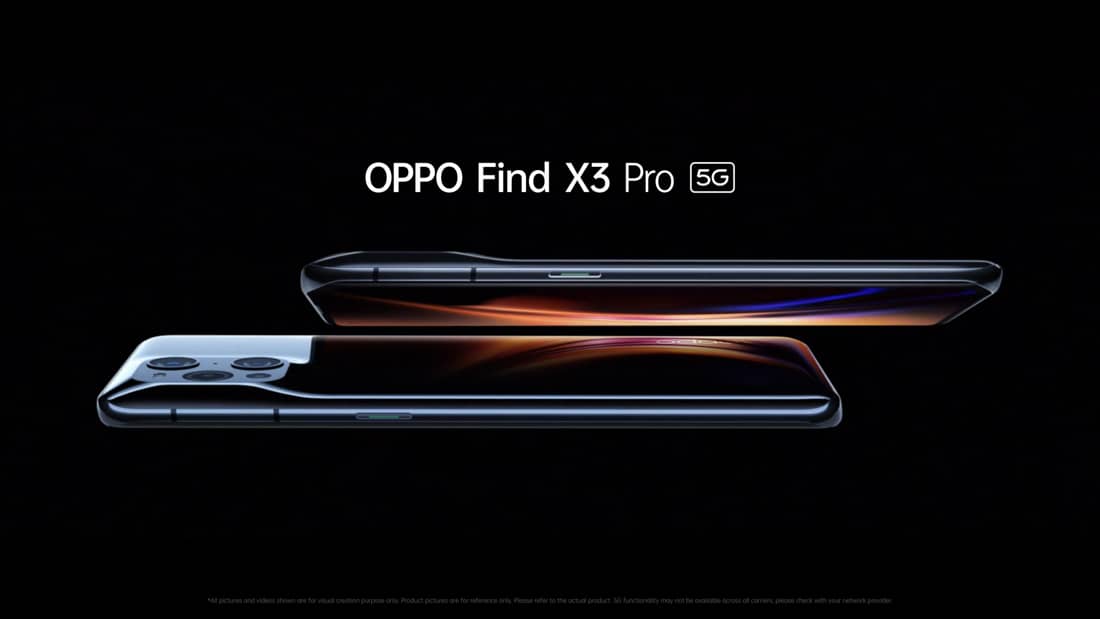
After losing their case Oppo has taken the proactive step of shutting down all sales in Germany.
Oppo’s German site has been stripped of all phone info and now only hosts a message saying (through translation) that “product information is currently not available on our website.”
The site also mentions that Oppo products will continue to work, and they will support channels that keep running.
OnePlus’ site still lists phone info, but the store now displays an error page if you try to see phone listings.
A OnePlus spokesperson told The Verge, “While sales and marketing of the relevant products are on hold, OnePlus remains committed to the German market and will continue our operations.”