OPINION:Chinese Owned Motorola Playing A Dangerous Game
 David Richards
08 Jan 2026
David Richards
08 Jan 2026

For years, Motorola — now owned by Chinese tech giant Lenovo — has existed at the bottom of the smartphone food chain. Its strategy was simple: cheap phones, basic features, and just enough brand recognition to stay alive. Volume over value. Survival over ambition.
Then came a management shake-up and a new directive: chase market share.
Lenovo had a choice — push its own Lenovo-branded phones or resurrect Motorola as its global consumer brand. It chose Motorola. The problem? Almost all of Motorola’s sales still come from the bargain basement, while the company now wants to be taken seriously in the premium space.
That contradiction was on full display at CES.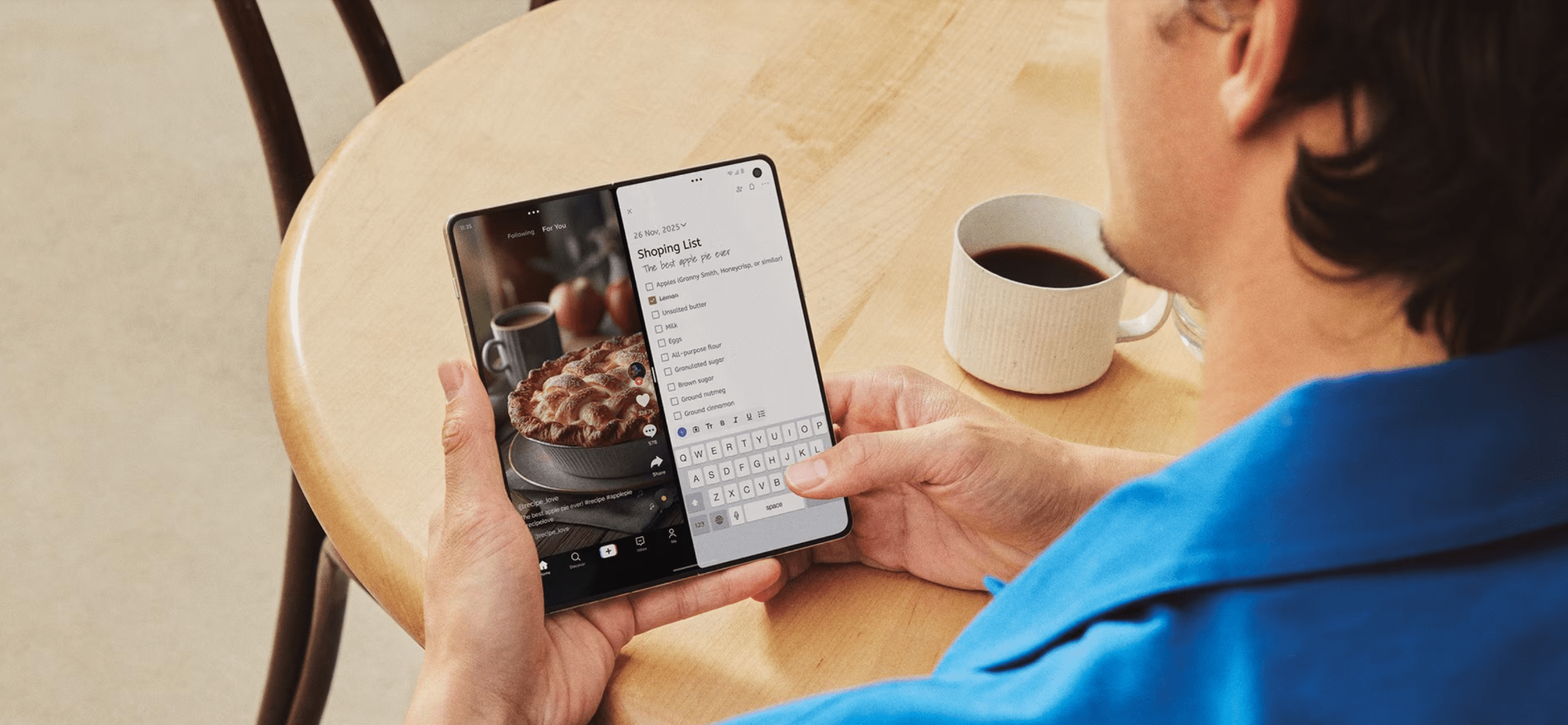
Last night, Motorola deliberately snubbed Australian tech media — both those attending CES and those back home — by refusing to provide any information on its new foldable phone, a device it is betting on to take on Samsung’s dominant Galaxy Fold range.
This wasn’t an oversight. It was a decision.
While Australian journalists were shut out, media from China, the US, and other markets were given advance briefings, press releases, and hands-on access to the new Motorola foldable. Motorola Mobility Australia refused to explain why Australian media were excluded.
CES is a global event. It hosts between 3,000 and 4,000 journalists from around the world, including Australia’s leading tech outlets. Global brands understand this. Samsung, LG, Panasonic and others routinely brief Australian media on products that may not even launch locally.
Samsung, for example, gave ChannelNews access to its Galaxy Z Tri-Fold — despite the fact that it may never be sold in Australia if carriers decide the market isn’t there.
Motorola chose a different path: silence.
This selective briefing fits an all-too-familiar playbook. Control the message. Control the narrative. Decide who gets access — and who doesn’t.
Motorola is wholly owned by Lenovo, a Chinese company with direct ties to the Chinese government. At CES, Motorola worked only with compliant, “safe” journalists — media willing to stay within the Lenovo party line. It’s a trait that has long followed Chinese tech firms operating in Western markets.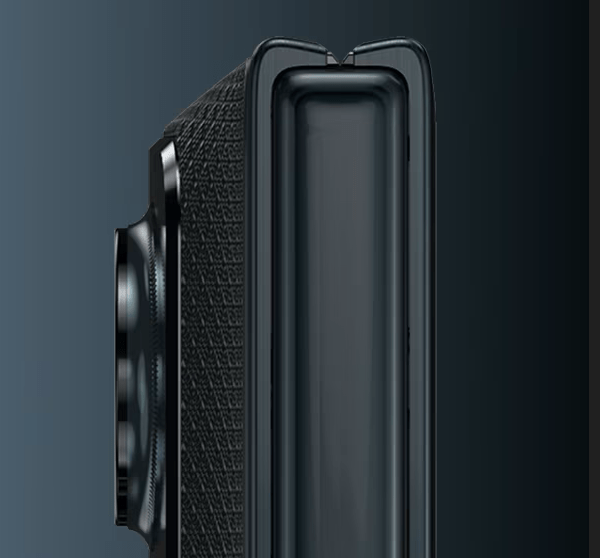
Even the name of the device feels symbolic: Razr Fold — a nostalgic Western brand repackaged under Chinese control.
In Australia, Motorola Mobility now operates under new General Manager Praveena Raman, who replaced Kurt Bonnici, the executive credited with growing Motorola’s local business before being moved into a regional role.
It remains unclear whether the decision to freeze out Australian media came from Raman locally or from Lenovo’s global command structure.
Raman, formerly head of carrier sales at Samsung, is now tasked with convincing Australian carriers and retailers to stock Motorola’s new foldable — no small challenge. Several carriers have already rejected foldable phones from other Chinese manufacturers, citing weak demand and brand trust issues.
Instead of briefing media on its supposed premium future, Motorola served Australian journalists a familiar fallback: another cheap handset.
The $299 Moto G57 — part of the G family that props up Motorola’s unit sales — was the only device officially pushed to Australian media. Budget phones are Motorola’s comfort zone. They inflate shipment numbers while masking the company’s weakness higher up the market.
The G57 features a 50MP Sony LYTIA 600 camera, Snapdragon 6s Gen 4 processor, and Motorola’s “moto ai” — another AI layer emerging from China, raising questions about Lenovo’s broader use of Chinese AI platforms such as DeepSeek.
The reality for Motorola — and Lenovo — is brutal.

Motorola Mobility now operates under new General Manager Praveena Raman,
They are trying to take on Samsung, the world’s second-largest smartphone maker behind Apple, and one that dominates every tier of the market: flagship, mid-range, and budget. Samsung’s Galaxy S and Z series define premium Android. Its A-series crushes competitors in the affordable segment Motorola now wants to own.
Globally, Motorola sits in fifth place among Android brands. It is being outpaced not just by Samsung, but by fellow Chinese competitors Xiaomi, OPPO, vivo, and Realme — in Australia Oppo have already clawed back market share from Motorola in Australia.
Motorola’s hardware ceiling remains well below Samsung’s flagship tier. Its software ecosystem is thinner. Its AI integration lags. And its reliance on cheaper processors underscores a company still fundamentally built for the low end, not the premium stage it wants to perform on.
Trying to sell a premium foldable while treating key media markets as expendable is not confidence — it’s insecurity.
Tomorrow, we’ll bring you a hands-on look at the Motorola Razr Fold.
But Lenovo and Motorola should understand this.
You don’t win trust, credibility, or premium positioning by deciding who is allowed to ask questions, or by trying to exploit control over messaging especially at a global media event because there are media Companies out there who have reach and credibility and don’t need to kiss the backside of brands such as Motorola or Lenovo to survive who can tell the real story when need arises.
Remember the pen is mightier than Chinese swords.