CES 2026: Samsung Warns RAM Shortage Will Drive Consumer Tech Price Hikes
 Joe Gallop
08 Jan 2026
Joe Gallop
08 Jan 2026
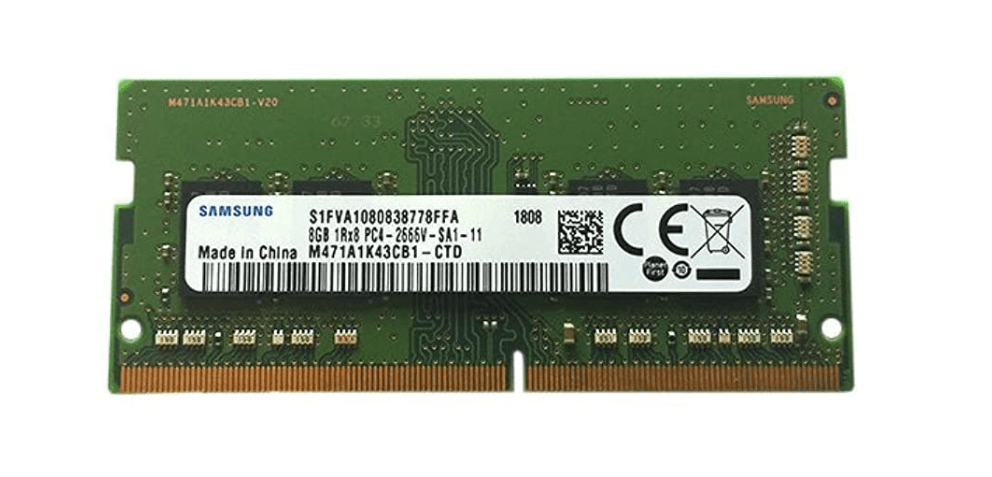
Samsung has warned a global memory chip shortage, dubbed ‘RAMageddon’, could push prices higher across smartphones, PCs and TVs.
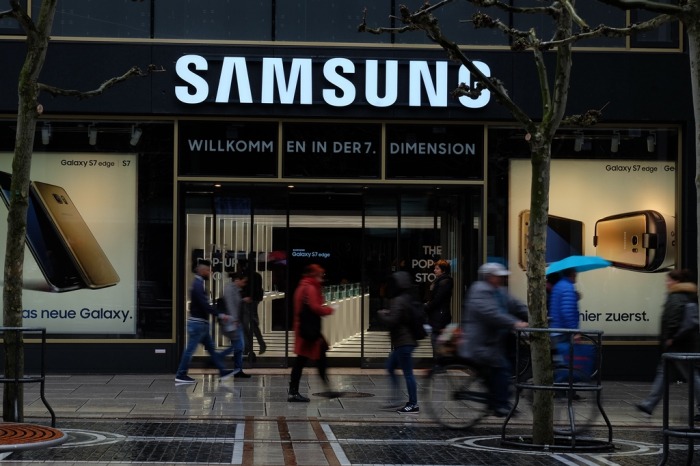
Speaking at CES 2026 in Las Vegas, Samsung’s head of global marketing Wonjin Lee said the company cannot shield its products from rising costs.
“There’s going to be issues around semiconductor supplies, and it’s going to affect everyone,” Lee told Bloomberg. “Prices are going up even as we speak. Obviously, we don’t want to convey that burden to consumers, but we’re going to be at a point where we have to actually consider repricing our products.”
The shortage is being driven by the surging demand for high-bandwidth memory (HBM) in AI data centers.
These chips, which feed the massive processing needs of AI workloads, are now consuming much of the production capacity that would otherwise go to conventional DRAM used in consumer electronics and enterprise hardware.
Contract price hikes have pushed a single 16GB DDR5 module close to A$30 at wholesale, while 32GB modules have jumped from A$225 in September 2025 to A$360. Analysts expect DRAM prices could climb another 30–50% in early 2026, affecting everything from laptops to TVs.
Even Samsung Electronics’ own divisions are struggling to secure enough RAM for products like Galaxy smartphones.
Consumer memory prices have already surged. 32GB DDR5 modules, for example, have jumped from A$225 in September 2025 to A$360, with further increases expected. Analysts predict DRAM prices could climb another 30–50% in early 2026, affecting everything from laptops to TVs.
Even traditionally lower-margin products like TVs are likely to feel the squeeze. Market research firm Omdia reports DRAM prices for TV components have doubled in the past six months, with further cost pressures expected as manufacturers renegotiate supply contracts.
The way things are going, 2026 could be one of the most expensive years yet for tech devices, with memory scarcity driving price hikes across both high-end and everyday electronics.