OpenAI Takes On Chrome With ChatGPT Atlas Browser
 Joe Gallop
22 Oct 2025
Joe Gallop
22 Oct 2025
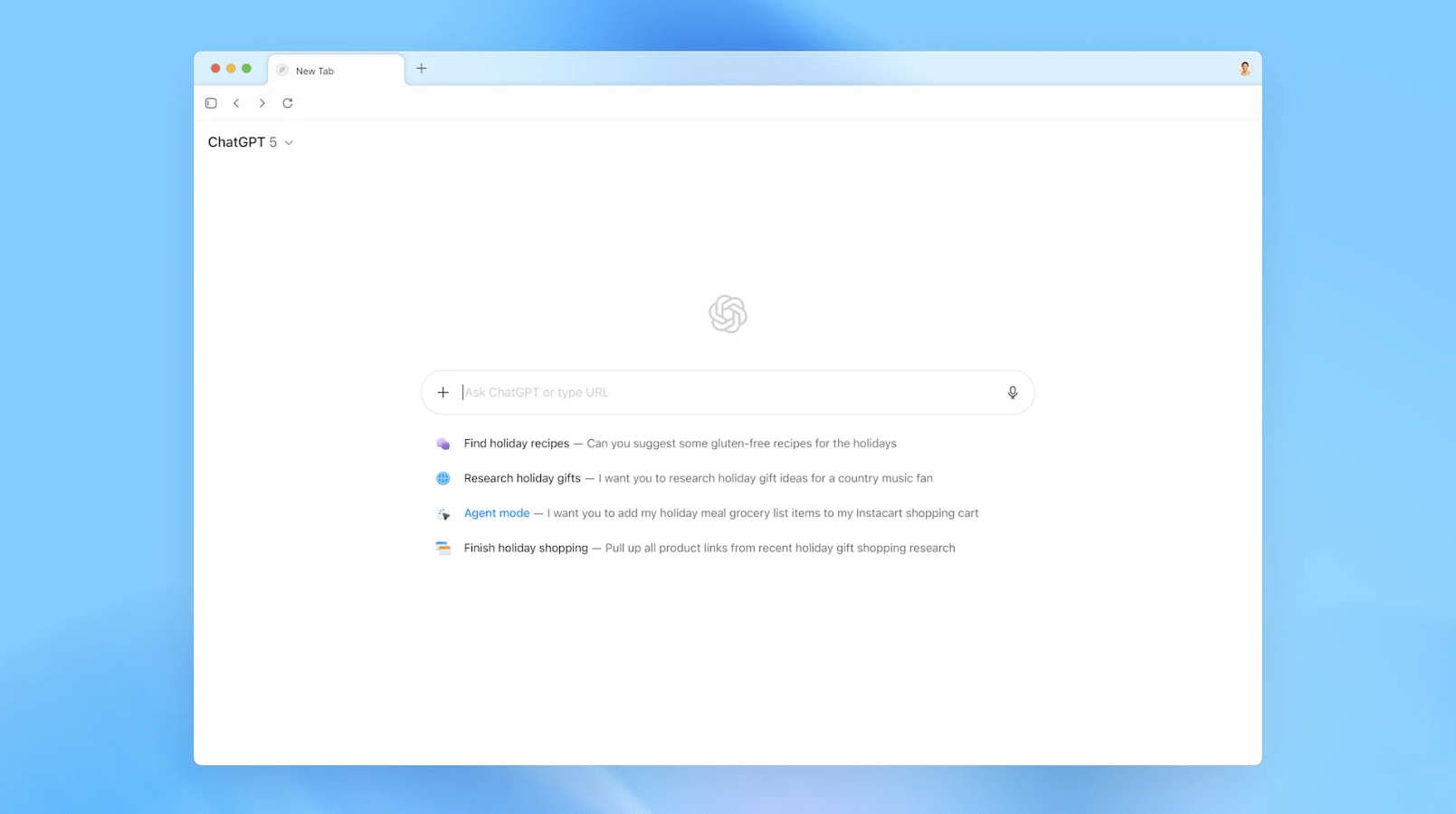
OpenAI has fired the latest shot in the AI browser war with the launch of ChatGPT Atlas – a Chromium-based web browser that puts its AI chatbot at the centre.
The browser is rolling out globally on macOS today, with Windows, iOS and Android versions to follow.
Built by a team including ex-Google Chrome engineer Ben Goodger, Atlas looks familiar at first with tabs, bookmarks, autofill and incognito mode.
But its standout feature is a deep integration of ChatGPT across every layer of browsing.
A floating “ChatGPT nub” lets users highlight text in emails or web pages and instantly rewrite, summarise or translate content without leaving the tab.
A built-in sidebar can analyse or compare information directly from the page you’re viewing.
Internet searches typed into the URL bar can default to ChatGPT’s AI search engine, which organises results across text, video and news tabs.
The most ambitious new tool is Agent Mode, which allows ChatGPT to take limited control of a browser tab to perform multi-step tasks, such as compiling recipes or adding items to an online shopping cart.
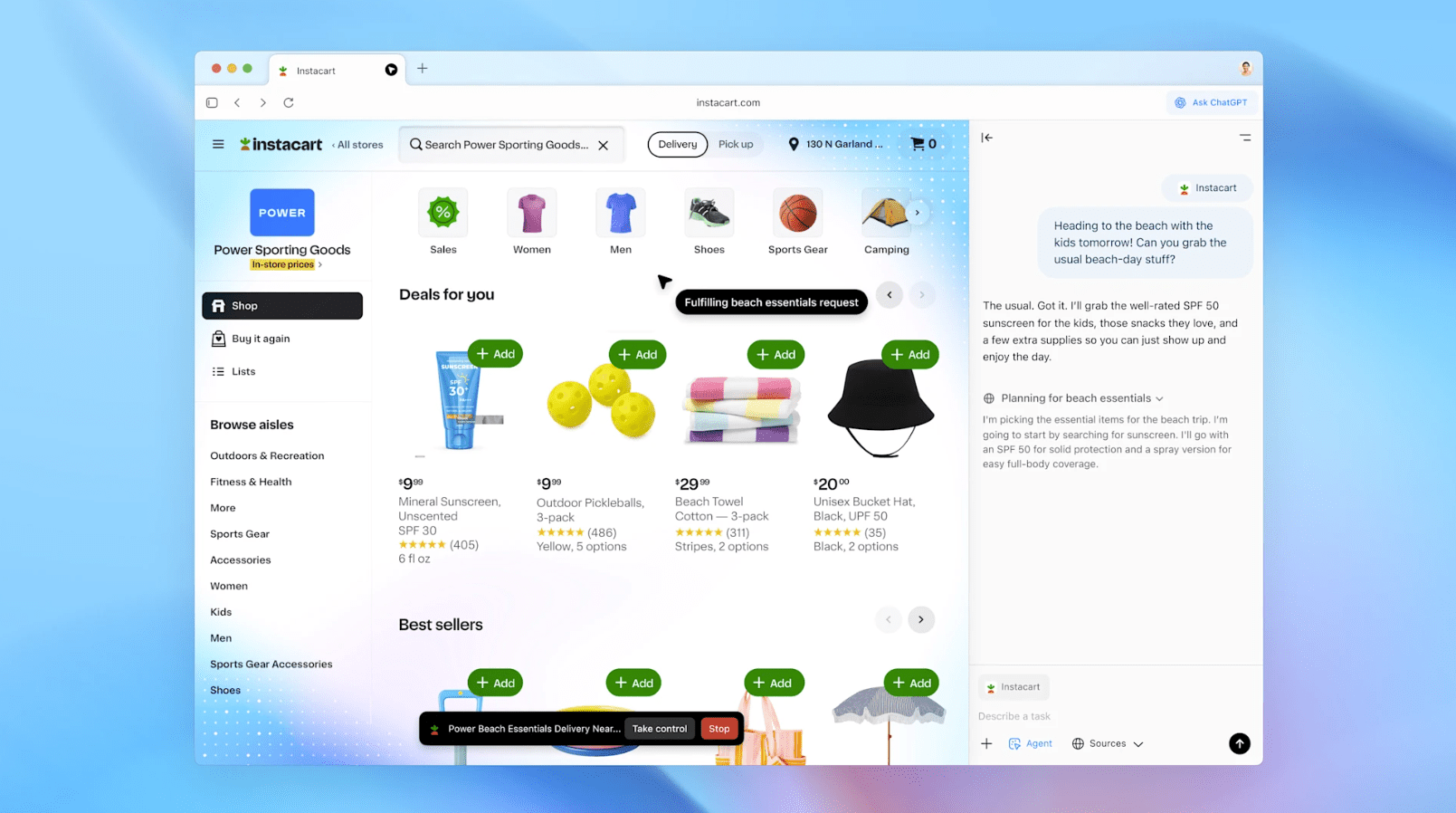
OpenAI says the agent will always ask for permission before taking actions and can’t access files or run code outside the browser. The feature is available initially for ChatGPT Plus and Pro subscribers.
A new ‘browser memories’ option lets ChatGPT retain context from sites you visit to offer smarter suggestions, though OpenAI stresses this is off by default.
Users can delete memories at any time and manage site-level permissions via the address bar. The company says browsing content is not used to train its AI models unless users opt in.
The release comes as rivals race to add AI to their browsers.
Google has Gemini in Chrome, Microsoft is embedding Copilot into Edge, and Perplexity has launched its own AI browser.
With Chrome still commanding about 71% of global market share, Atlas will need more than clever AI tricks to make a dent, but it could mark the biggest challenge yet to Google’s dominance.