EXCLUSIVE: NSW Government Technology and iCover Insurance Failures Exposed Amid Serious Security Concerns
 David Richards
30 Dec 2025
David Richards
30 Dec 2025

The underlying failures of the NSW Government’s technology platforms ‘Digital NSW’ that some argue contributed to inadequate policing of known terrorist threats ahead of the Bondi shooting that left 15 people dead—have now been exposed.
The Government is reportedly unable to effectively communicate with businesses or individuals due to outdated legacy computer systems that do not integrate or share information across departments let alone security agencies and Federal intelligence organisations.
This is the same NSW Government whose interdepartmental systems failed to flag that the father of a known associate—whose son was already under investigation for links to persons of interest—was able to obtain six firearms licences without detection.
iCare: A Case Study in Systemic Incompetence
iCover, a brand of Insurance and Care NSW (icare), is not a frontline police or security agency. It is a routine insurance operation. Yet even icare is unable to access up-to-date information held across NSW Government databases. Despite this, the organisation appears empowered to intimidate and threaten businesses, including labelling companies as “bad debt operators” without issuing invoices, providing proof of debt, or conducting meaningful follow-up—even when senior executive contact details are on file.

Insurance and Care NSW (icare) is led by CEO Geniere Aplin, who commenced in March 2025 it appears even she has been unable to fix the poor communication between NSW Government systems.
Insurance and Care NSW (icare) is led by CEO Geniere Aplin, who commenced in March 2025. It is governed by a Board accountable to the NSW Minister for Industrial Relations, chaired by Nicholas Whitlam, with Helen Rowell as Deputy Chair. Minister Sophie Cotsis holds responsibility for the department.
The way this NSW Government department operates is emblematic of systemic incompetence. Basic errors—including incorrect addresses on correspondence and incorrect BSB payment details on letters of demand—are commonplace.
Despite these failings, icare retains the power to seize funds from bank accounts and label organisations as financial risks, even where no legitimate debt exists.
Businesses Caught in Bureaucratic Chaos
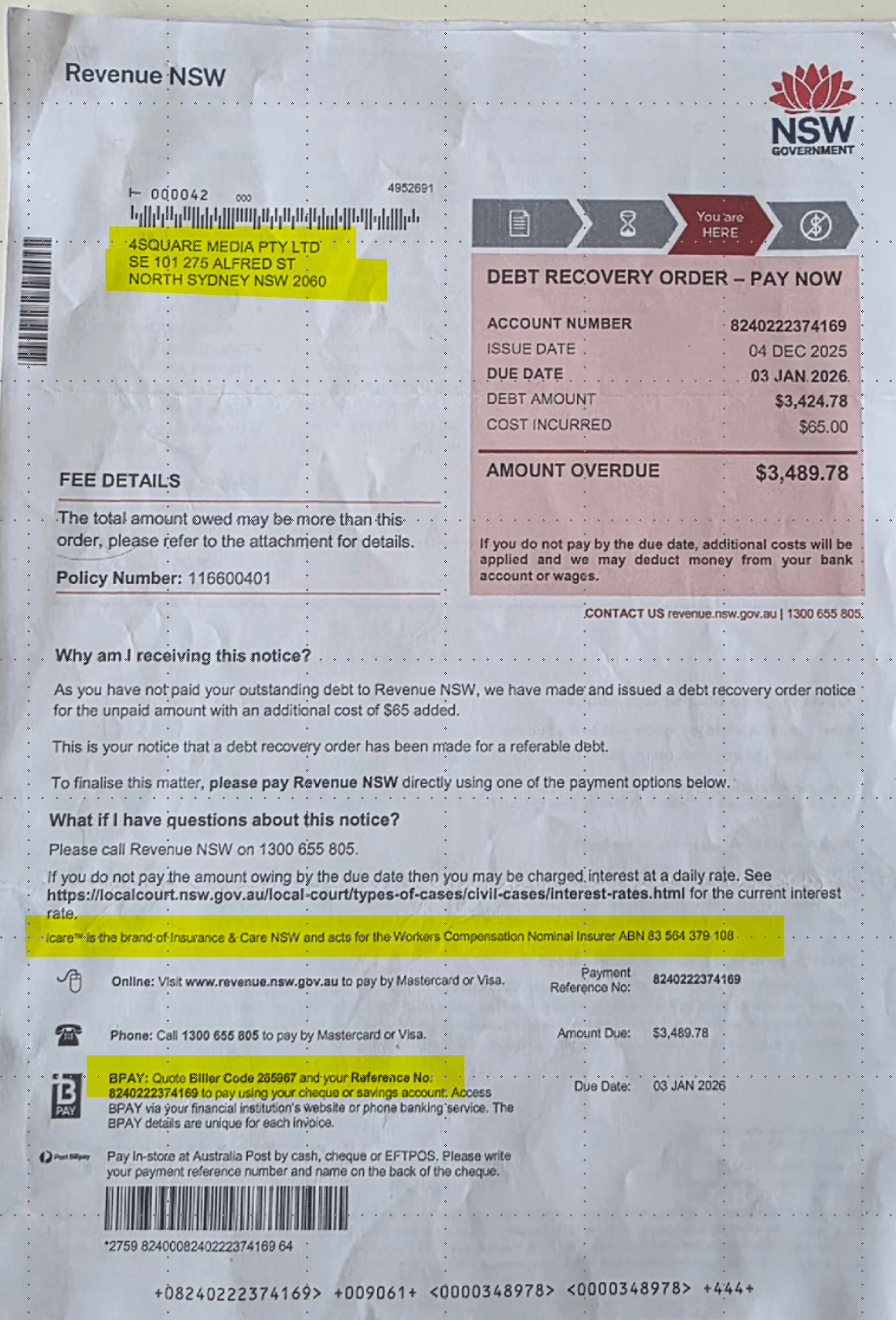
Address Wrong, BSB, Wrong, no details of what the debt is for supplied. Demand issued by iCover for Insurance without any prior notification. Letter found on ground floor of 17 storey North Sydney Office tower by another tenant.
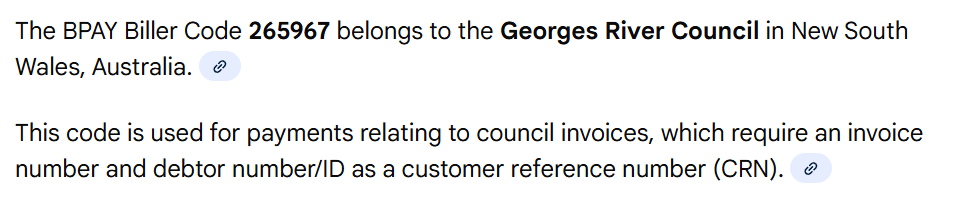

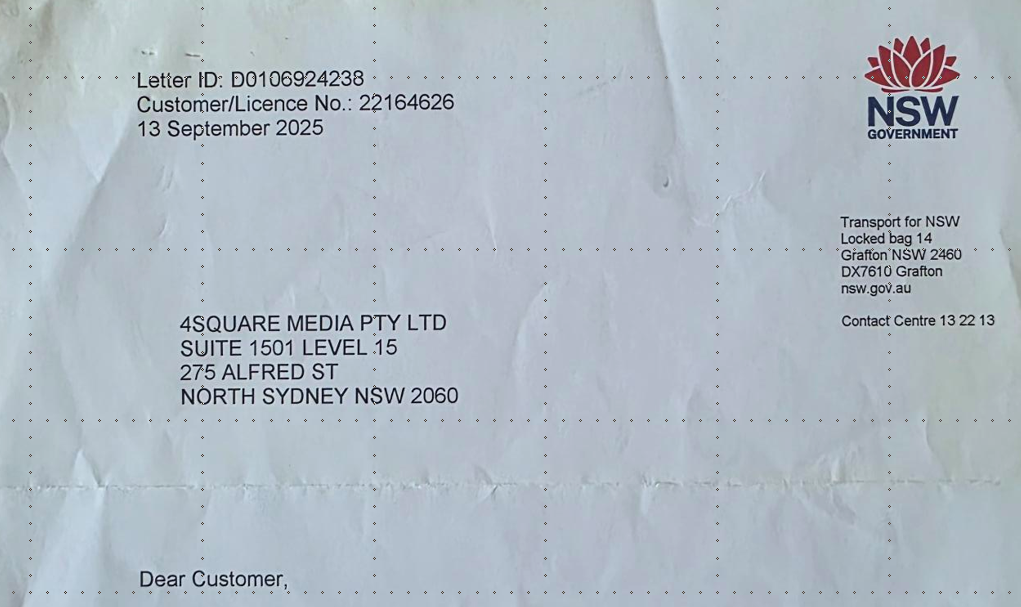
Several NSW Government letters were sent to the right address prior to the iCare Debt Recovery Order letter.
Any business operating in NSW already burdened by excessive government red tape should reasonably expect that when it provides an updated address—repeatedly and in writing—the State Government would use it. In practice, this does not occur.
ChannelNews recently revealed that the NSW Government repeatedly failed to update the address of our company despite multiple written notifications and visits to Service NSW centres, but they did have the right address to issue parking and speeding fines.
Even now, threatening emails and text messages continue, while no substantive answers are provided.
One NSW Government manager at a Service NSW centre told ChannelNews:
“We have to put up with this every day. Their systems are a mess.”
Security Failures and the Bondi Terror Attack
These fundamental management and technology failures raise serious questions about whether NSW Premier Chris Minns—who has publicly supported calls for a royal commission into the Bondi terror attack—will ensure that any inquiry genuinely examines the state of NSW Government computer systems.
Key questions remain unanswered:
Was effective information-sharing in place between NSW Police, ASIO, and the Australian Federal Police?

Home Affairs Minister, Tony Burke appears to have been more interested in protecting his vote with muslim immigrands than openly coming out to decry anti semetic comments by residents in his electorate.
Were warnings about threats to Jewish communities properly communicated and acted upon?
Why was no additional protection provided during Jewish religious celebrations, despite repeated warnings?
The Bondi attack, which targeted Jews and resulted in 15 deaths within minutes, occurred in a state where government systems appear incapable of sharing even basic administrative information.
Political Posturing and Competing Inquiries
While Premier Minns calls for a royal commission, critics argue he is engaging in political grandstanding—positioning himself against Prime Minister Anthony Albanese, who has instead announced a limited inquiry.
That review, led by former national security chief Dennis Richardson, will examine how federal law enforcement and intelligence agencies operated before, during, and after the attack. Its focus includes whether ASIO and the AFP had appropriate powers, structures, processes, and information-sharing frameworks in place.
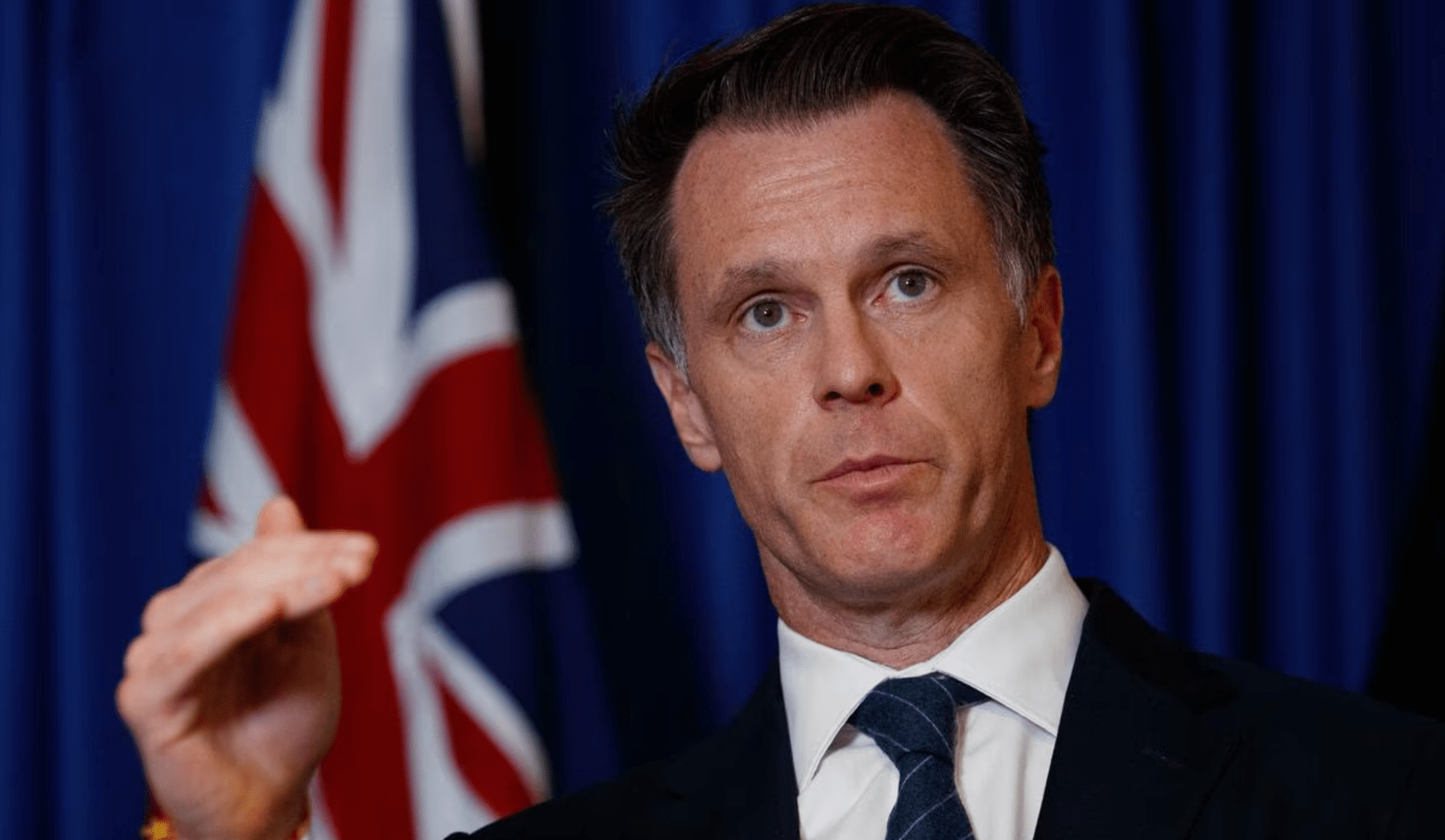
NSW Premier Chris Minns appears to be ducking for cover behind failed and old legacy technology platforms that are failing businesses let alone the NSW Police Force.
However, there is little emphasis on the advanced technology platforms used in Europe, the UK, and the United States. Crucially, the review lacks the coercive powers of a royal commission—Richardson cannot compel witnesses to appear or demand evidence in the way a judicial inquiry could.
The Albanese Government and the AFP have also failed to clarify what analytical software and threat-detection platforms are currently in use, particularly given the apparent dysfunction of NSW systems.
Labor’s Resistance to a Royal Commission
While Minns calls for a royal commission, Prime Minister Albanese continues to refuse one. Home Affairs Minister Tony Burke has further inflamed tensions, arguing that a royal commission would provide a platform for “evil people” and anti-Semitism.
What Burke did not address is his own political outreach within his Watson electorate, including appeals to Muslim voters, some of whom have openly expressed hostility toward Jews—if attendance and rhetoric at Free Palestine rallies are any indication.
Burke stated that a Coalition-proposed royal commission would amplify “some of the worst examples of anti-Semitism.” Albanese echoed this view, suggesting royal commissions are ineffective when facts are contested and risk repeating harmful rhetoric.
Growing Criticism and Unanswered Questions
The Australian newspaper has described the comments by Albanese and Burke as among the most absurd responses imaginable to rising calls for a royal commission into the growth of anti-Semitism in Australia.
More direct observers have used far harsher language.
Social cohesion is not strengthened by refusing to expose extremism. It is not preserved by allowing hatred to fester unchecked in suburban communities. Labor’s justification for opposing a royal commission appears so weak and contrived that it raises deeper questions about what the government may be attempting to avoid exposing.
As former ALP powerbroker Graham Richardson once implied: whatever it takes.
What is already clear is this: NSW Government computer systems are demonstrably dysfunctional, and they sit at the centre of the state where one of the worst terrorist attacks in Australian history occurred—after authorities had received warnings that Jewish schools, homes, and businesses were under threat.
The failures are no longer abstract. They are deadly.