Nostalgia Rules As XBox Bets On Transparent Tech
 Peter Holmes
01 Aug 2024
Peter Holmes
01 Aug 2024

Ooh, what’s inside?
Transparent Tech has been around for more than 80 years, allowing users a magical peak, through (often colourful) moulded plastic, into the nerve centre of whatever contraption they’ve bought. Chips, wires, lights, motherboards, engines, hard drives, fans.
It’s also known as See-Through Tech and Clear Tech, and there was a time in the 1980s and 1990s where there was so much transparent gear being flogged that the term “Clear Craze” was coined.
The creation of Plexiglas in 1933 changed everything, and in 1939 the Pontiac “Ghost Car” with a clear body was constructed and put on display at New York’s World Fair.

Pontiac “Ghost Car”. Image: RM Sotheby’s.
The products kept on coming – Nintendo consoles and Gameboys, mice, laptops, keyboards, calculators, speakers, toys. You could – and still can – even buy a cheapo see-through plastic stapler and enjoy the mechanical wizardry at play.
Well, everything old is new again. At least that’s what Microsoft is banking on, claiming that “transparent tech is making a major comeback”.
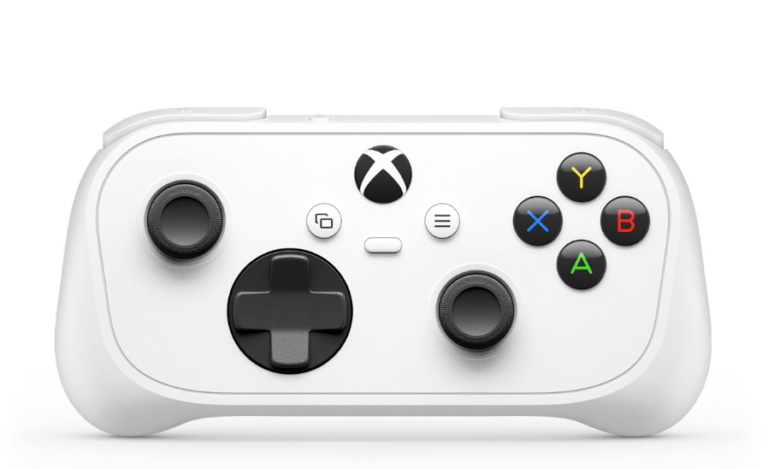
The new Xbox Wireless Controller is known as the Sky Cipher Special Edition and comes with sky blue metallic triggers, a matching D-pad surrounded by a dark blue accent and silver interior parts that shine.

XBox Sky Cipher. Image: Supplied.
“This transparent controller offers a look into the intricate technology that powers your gaming experience,” Microsoft said. It believes the new kit exudes “an aura of sophistication and futuristic appeal”.
The controller comes with up to 40 hours of battery life, and you can connect to Xbox Series X|S and Xbox One consoles, PC, iOS and Android devices.
As a collectible? Who knows. The Pontiac “Ghost Car” was sold by classic car auction house RM Sotheby’s in 2011 for a tidy $US308,000 (A$471,000).
According to a Fast Company report from December 2023: “The adoption of clear plastics in technology began in an unlikely place — prisons. In the 1970s and ’80s, clear plastic products such as televisions and radios were introduced into prison environments.
“This decision was largely due to security concerns; clear plastic casings made it difficult for inmates to hide contraband within the devices, making them a practical solution in these high-surveillance settings. From TVs to Sony radios, almost every piece of technology was packaged in a clear plastic housing and routinely inspected through disassembly and assembly.”