Nintendo Adapts Switch 2 With User-Replaceable Batteries
 April Ossington
23 Mar 2026
April Ossington
23 Mar 2026
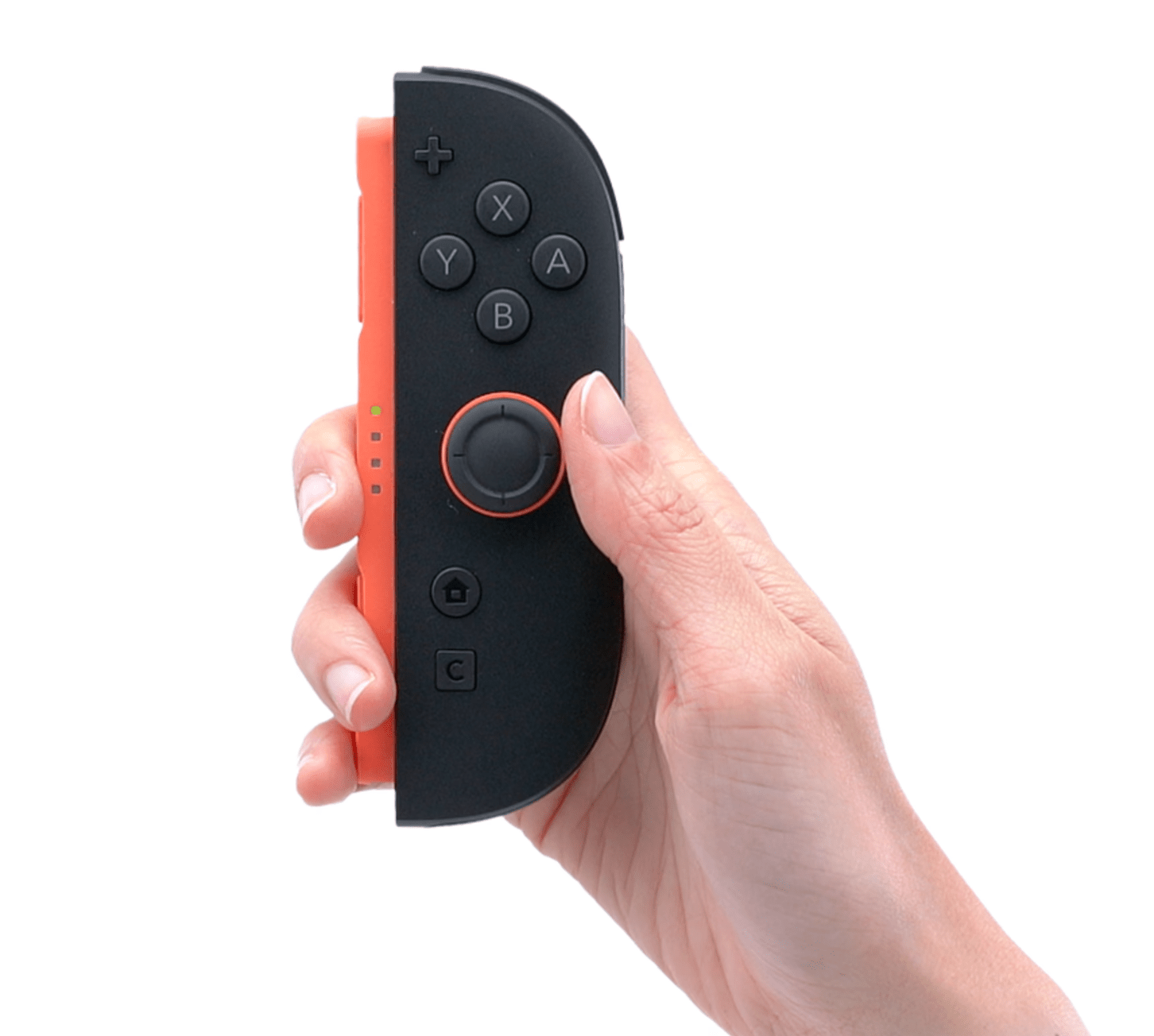
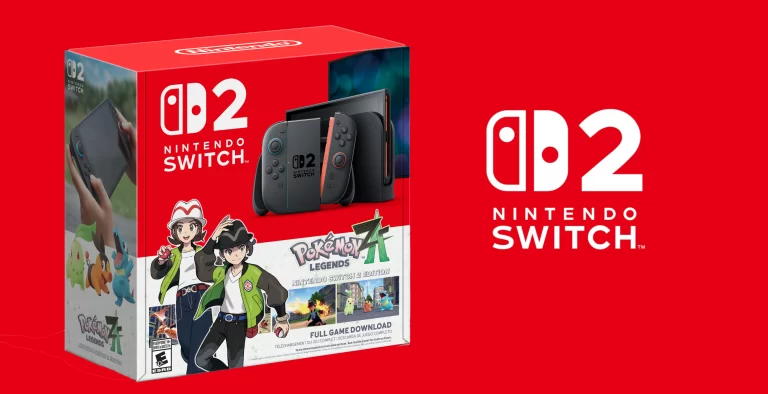
Nintendo is preparing to introduce a modified version of its upcoming Switch 2 console in the European Union that will allow users to replace batteries themselves, aligning the device with new regional repair regulations.
The change will apply not only to the console but also to its detachable Joy-Con controllers sold across EU markets. Outside Europe, including Japan, the system is expected to retain its existing design, where battery servicing is handled through authorised repair channels.
The shift is driven by the EU’s Batteries Regulation, introduced in 2023, which requires portable electronic devices to be designed so consumers can easily remove and replace batteries. The rules are scheduled to take effect in February 2027 and are part of a broader push to strengthen consumer rights and reduce electronic waste.
Traditionally, Nintendo has discouraged users from attempting battery replacements themselves, instead directing customers to official service providers. The new approach marks a significant departure from that model, at least within Europe.
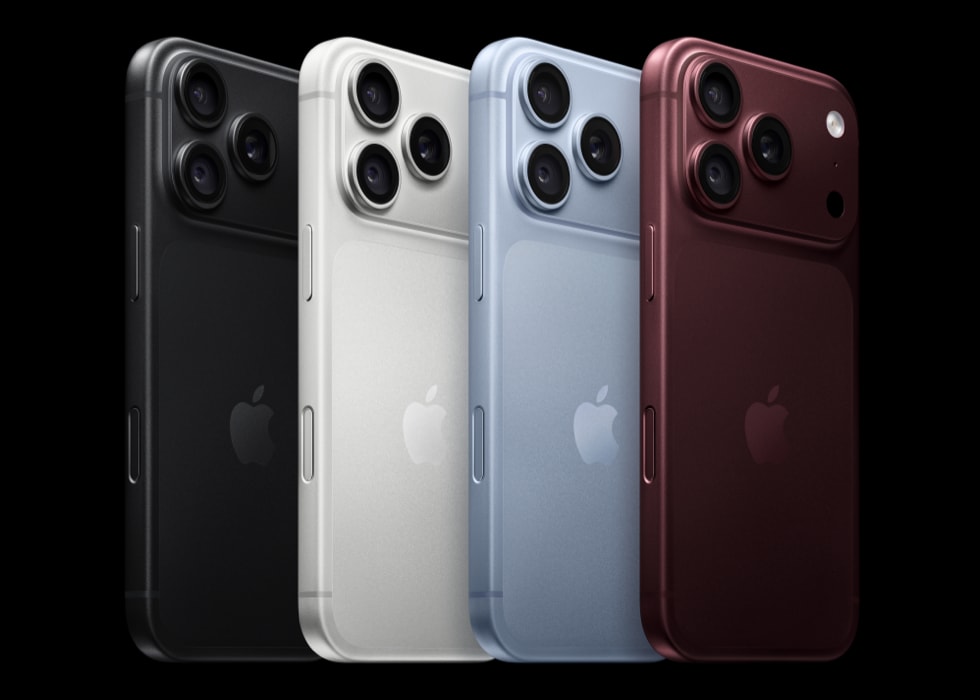
The wider “right to repair” movement has been gaining traction across global markets, with regulators arguing that limiting repair access increases costs for consumers and shortens product lifespans. In response, several major technology brands have begun adjusting their designs. Apple has made changes to improve battery accessibility in recent iPhone models, while Sony updated PlayStation 5 controllers in certain regions to support easier battery swaps. Asus has also introduced more accessible internal designs in some of its PCs.
Allowing users to replace batteries more easily could help extend the lifespan of devices such as handheld gaming consoles, which are often criticised for battery wear over time. It may also reduce the inconvenience and cost associated with sending products away for servicing.
However, the move raises questions around manufacturing complexity and after-sales policies. Companies may face higher production costs to meet the new standards, and warranty conditions could become more complicated if users carry out their own repairs. Neither Nintendo nor Sony has clarified how warranties will be handled in cases where consumers replace batteries independently.
Portable gaming devices continue to grow in popularity, but battery degradation remains a common concern. Reports of swelling or reduced performance have contributed to increasing demand for replacement options, particularly in markets like Japan.
As for why similar changes are not being introduced in regions such as the United States or Australia, the answer largely comes down to regulation. The EU has implemented strict, enforceable rules requiring user-replaceable batteries, while other markets have not yet introduced equivalent legislation. Without that regulatory pressure, manufacturers are less likely to redesign products globally, instead tailoring changes to regions where compliance is mandatory