Next-Generation TV Screens Could Redefine Brightness And Efficiency Before 2030
 April Ossington
16 Jan 2026
April Ossington
16 Jan 2026

Forecasts in consumer technology are often best treated cautiously, but predictions coming from the company that pioneered quantum dot materials carry a little extra weight. Nanosys has outlined a roadmap for television displays that suggests the next few years could bring some of the most significant visual upgrades seen in decades.
Speaking to industry analysts, the company explained that the most immediate change would arrive with a new wave of brighter QD-OLED televisions. These improvements are being driven by an updated generation of Quantum Dot Colour Converters, which allow panels to push higher light output without compromising colour accuracy. Early examples of this approach appear to have already surfaced, including Samsung’s upcoming S95H, which was previewed at CES and is expected to deliver around 35 per cent more brightness than the model it replaces.
According to Nanosys, this increase is only a first step. The company’s long-term ambition stretches far beyond current television standards. By the end of the decade, it aims to ship displays capable of what it describes as “high flux” performance. This would involve not just QD-OLED panels but potentially micro LED technologies suited to augmented reality uses, where brightness levels could reach hundreds of thousands or even millions of nits. While that is less relevant for lounge rooms, it highlights how far display science is pushing beyond today’s limits.
Alongside brighter OLED variants, Nanosys also highlighted a technology that could eventually challenge OLED’s dominance at the premium end of the TV market. Known as QD-EL or NanoLED, this approach has been under development for several years and is now edging closer to commercial reality. Samsung has already invested heavily in the concept, and Nanosys believes that initial consumer models could begin appearing around 2029.
QD-EL panels are electroluminescent, meaning each pixel produces its own light, similar to OLED. This removes the need for a backlight and opens the door to higher brightness and improved energy efficiency. Early prototypes shown at industry events have been relatively small, often under 20 inches, and challenges remain around long-term stability and power consumption. Even so, progress appears steady.
NanoLED is not the only contender lining up to disrupt the status quo. At CES 2026, industry insiders suggested that inkjet-printed OLED panels could reach television sizes within the next two to three years following recent breakthroughs by TCL. Hisense executives also indicated that micro LED televisions could finally reach more practical sizes and costs within five to eight years, moving them closer to mainstream adoption.
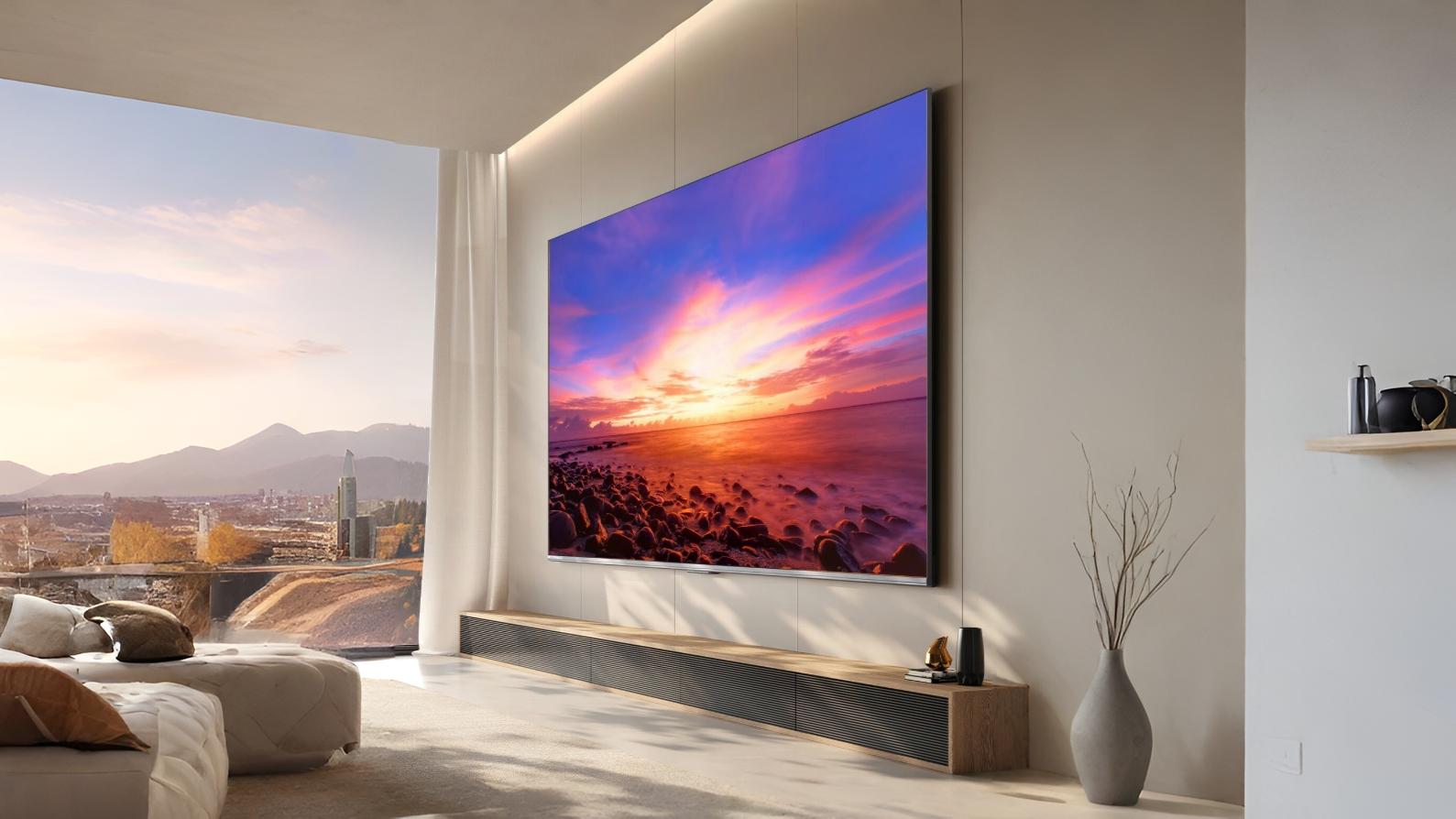
If even some of these timelines hold true, the latter half of the decade could see several competing display technologies vying for attention, alongside new RGB-based systems arriving in 2026. The result could be televisions that are brighter, more efficient, and more immersive than anything currently on sale, offering consumers far more choice in how their screens look and perform.