New York Times Restricts Photoshop Use Over AI Image Authenticity Concerns
 April Ossington
27 Nov 2026
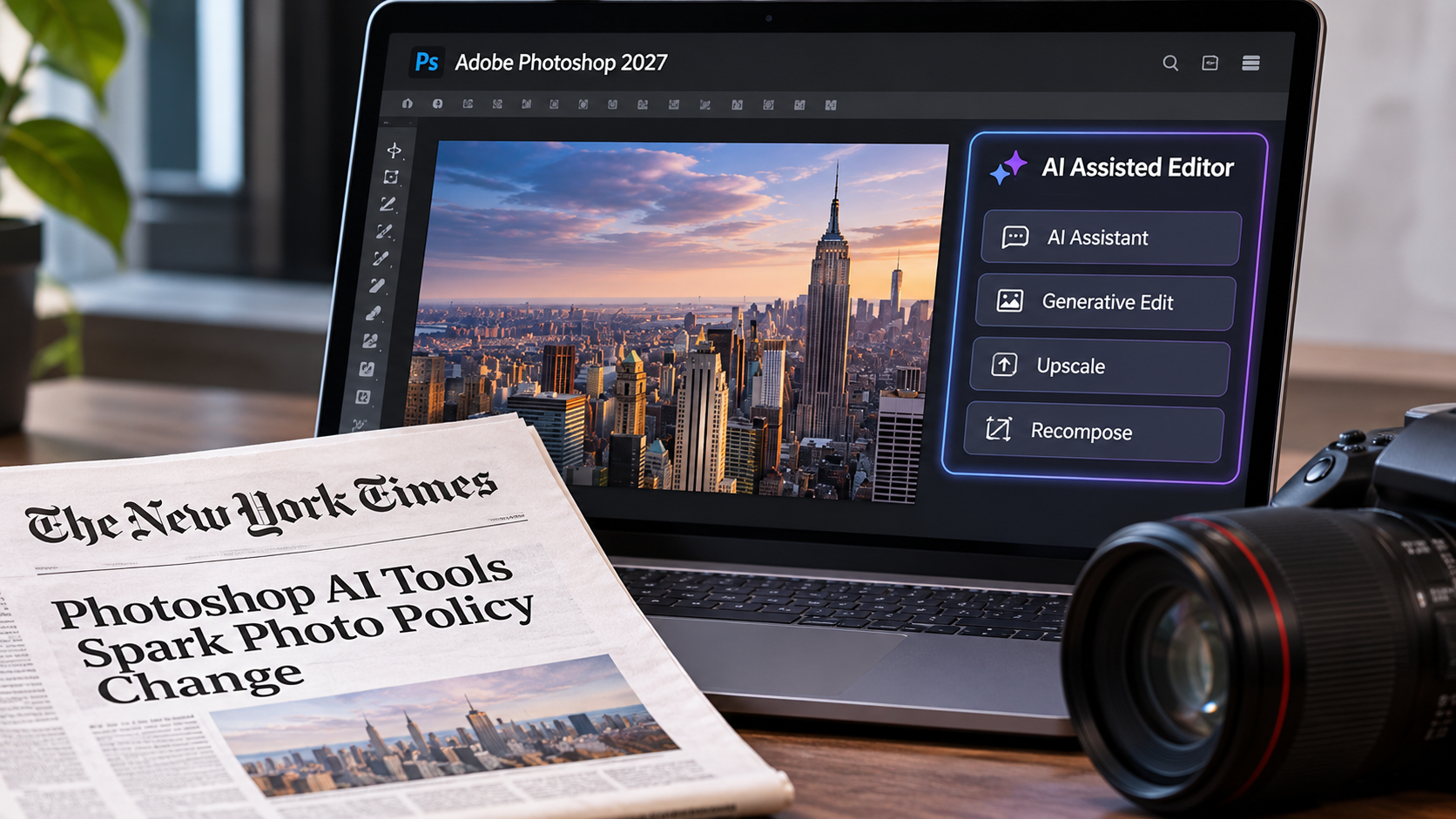
The New York Times has instructed freelance photographers to avoid the latest version of Adobe Photoshop amid concerns that its artificial intelligence tools could compromise the perceived authenticity of editorial photographs.
The publication has introduced restrictions on Photoshop 2027, including version 28.0.0 and subsequent updates, for photographers working on assignments for the newspaper.
According to an internal email obtained by The Verge, photography executives Meaghan Looram and Josh Haner raised concerns that some editing functions incorporate AI without users necessarily being aware of it.
Using these tools could result in photographs carrying metadata that identifies them as AI-generated, even when photographers have not deliberately created artificial content.
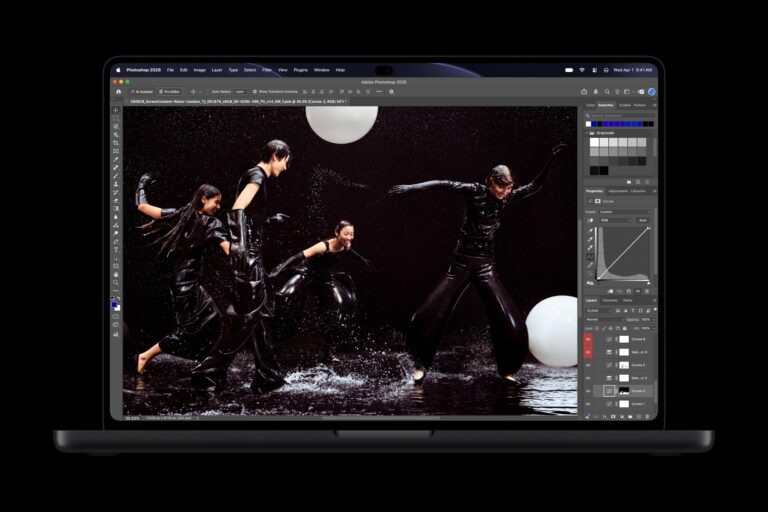
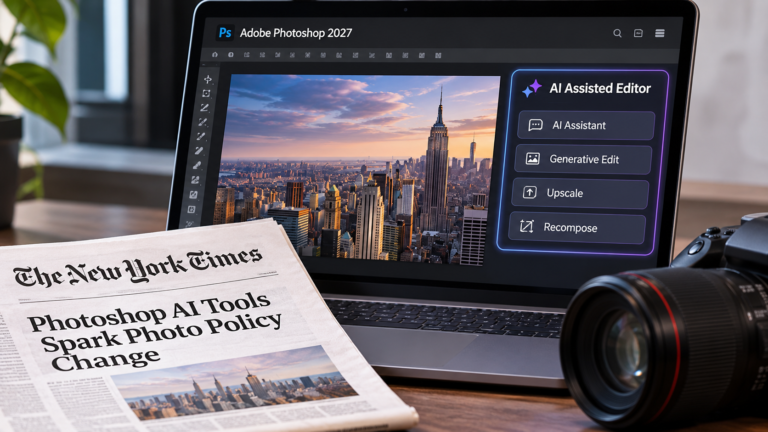
Adobe has significantly expanded the use of artificial intelligence across its creative software portfolio in recent years, with its November Photoshop update introducing several additional AI-powered editing capabilities.
These include a dedicated AI Assisted Editor interface, an assistant offering step-by-step editing guidance, text-based image modifications, enhanced image upscaling and automated image recomposition for different canvas sizes.
However, distinguishing between conventional editing functions and AI-powered tools is becoming increasingly difficult, particularly as established features such as automated selection are incorporated into Adobe’s broader AI offering.
The issue presents a challenge for news organisations that maintain strict editorial