AI Boom Could Keep Gaming Console Prices High Until 2028
 April Ossington
27 Nov 2026
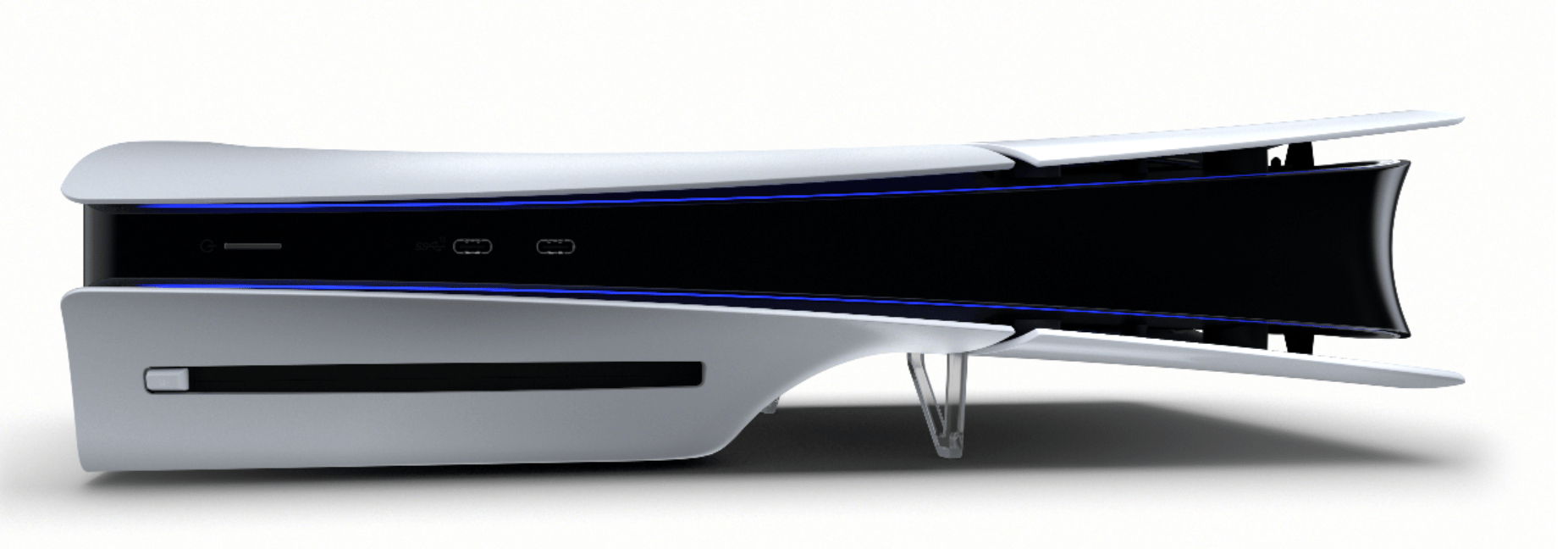
Gamers hoping for cheaper consoles may face another two years of elevated hardware prices as artificial intelligence continues to place unprecedented pressure on global memory chip supplies.
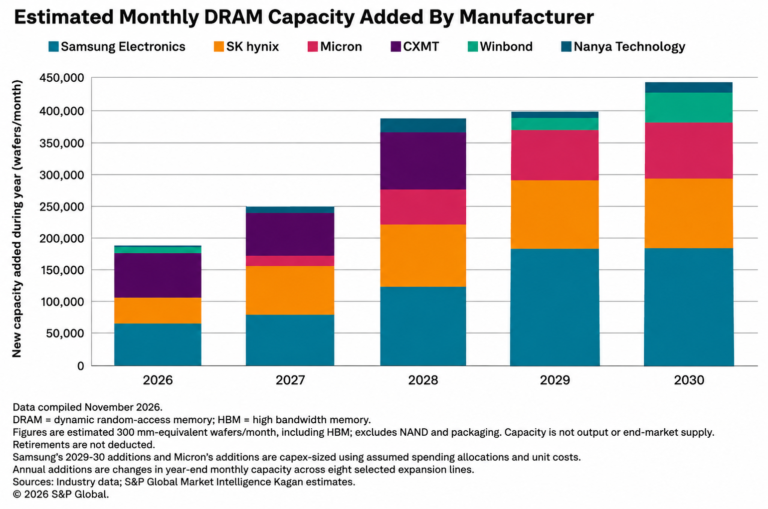
New analysis from S&P Global Market Intelligence Kagan suggests significant increases in dynamic random-access memory (DRAM) manufacturing capacity are unlikely to provide meaningful relief for consumer hardware manufacturers before 2028.
Global DRAM production capacity additions are forecast to reach 184,000 300mm-equivalent wafers by the end of 2026, rising to 434,000 in 2027 and 819,000 in 2028.
While the additional manufacturing capacity could help ease component shortages, competition from AI data centre operators remains a significant obstacle to lower consumer electronics prices.
S&P Global analyst Neil Barbour told GamesIndustry.biz that memory manufacturers are primarily expanding production to meet demand from the lucrative data centre sector rather than consumer electronics companies.
Should investment in AI infrastructure continue to accelerate, the additional supply could be quickly absorbed, leaving gaming hardware manufacturers facing ongoing component shortages and elevated costs.
Barbour expects console prices to remain under pressure throughout 2027, although further price increases are not necessarily guaranteed.
S&P Global forecasts worldwide DRAM production capacity will increase by 82 per cent to 3.64 million wafers per month by the end of 2030.
Samsung, SK Hynix and Micron are expected to account for approximately 80 per cent of that expansion.
The memory shortage could also influence the timing and affordability of next-generation gaming consoles, including Microsoft’s upcoming Xbox hardware, codenamed Project Helix, which is rumoured to launch in late 2028.
Xbox CEO Asha Sharma has previously indicated that affordability and efficiency will be priorities alongside performance as Microsoft develops its next-generation console.
Meanwhile, the world’s three largest DRAM manufacturers are facing legal scrutiny over their management of memory supplies.
Samsung, SK Hynix and Micron were sued in June over allegations of coordinated anti-competitive conduct involving the supply of consumer DRAM.
The growing competition between AI infrastructure and consumer electronics manufacturers could have implications beyond gaming, with memory-intensive products such as computers and smartphones also exposed to ongoing component pricing pressures.