Google Explores AI-Powered TV Channels Starring Viewers
 April Ossington
27 Nov 2026
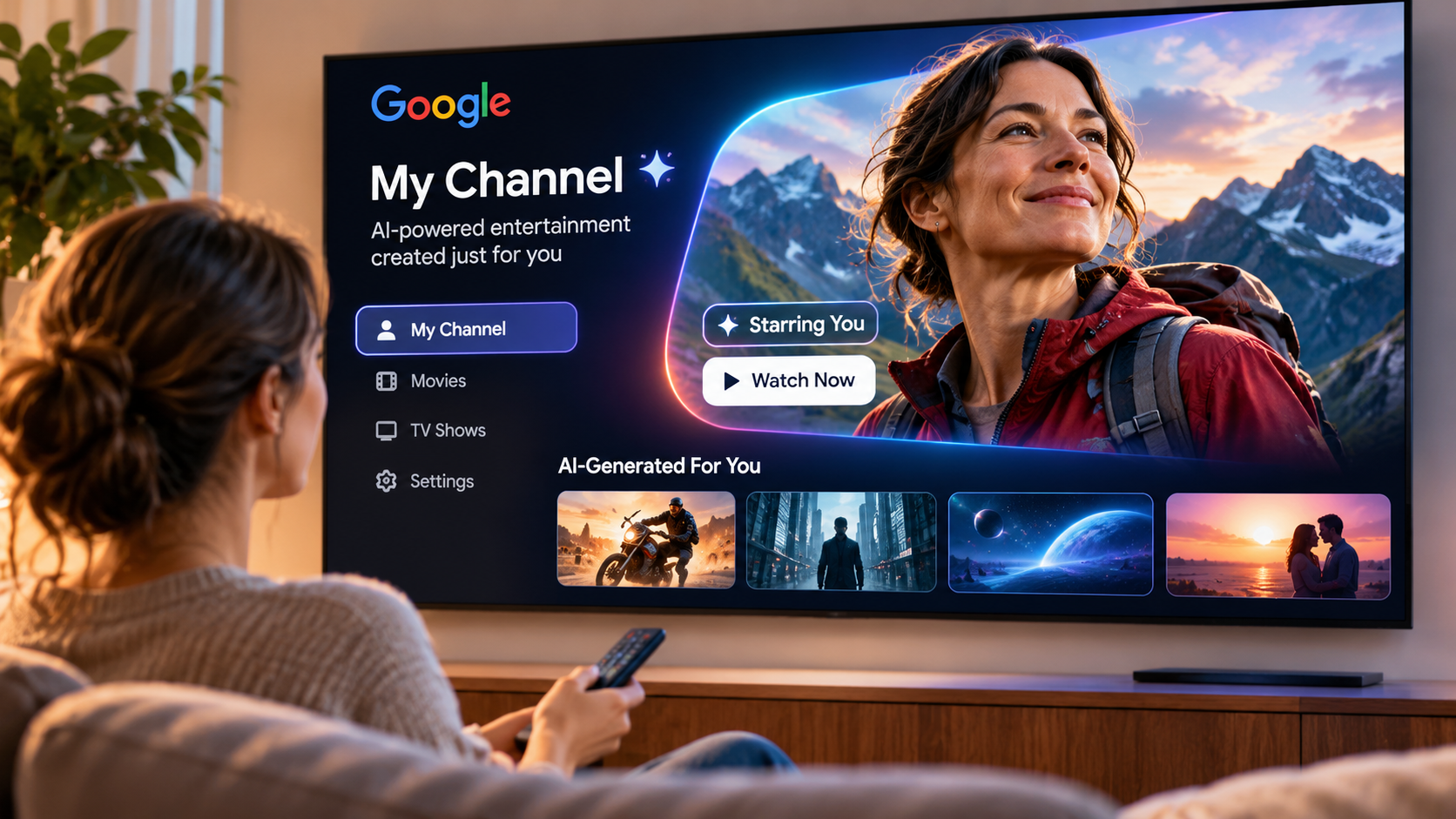
Google is exploring a new approach to personalised television entertainment that could see viewers become the main characters in AI-generated programmes created specifically for them.
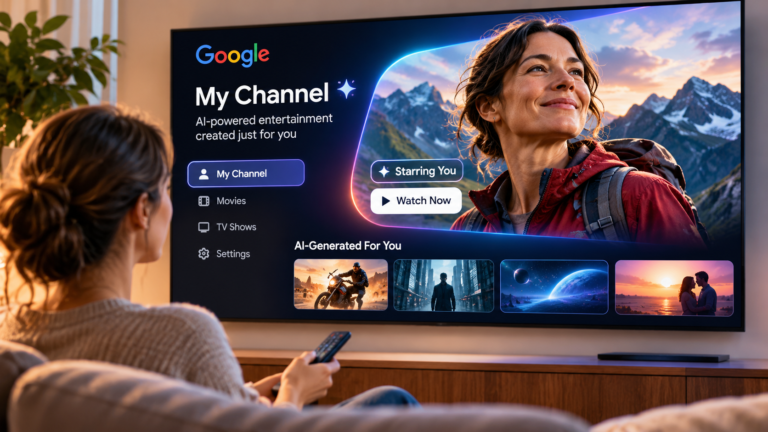
A patent application titled “Creating a Channel of Video Experiences Tailored to a User” outlines a proposed television feature called My Channel, which would generate original video content based on individual viewing habits, personal interests and demographic information.
Unlike conventional streaming platforms that recommend existing movies and television programmes, Google’s proposed technology would create entirely new content tailored to each viewer.
The system could also generate digital avatars using photographs and voice samples, allowing viewers to appear as protagonists in their own customised entertainment.
According to the patent, the technology could draw on a range of information, including viewing history, preferred genres, language settings, geographical location, age group and social affiliations.
This information would be used to develop instructions for large language models such as Google’s Gemini or OpenAI’s ChatGPT, helping shape the content generated for each personalised channel.
The proposed system could also incorporate current events, sporting results and emerging social trends without requiring viewers to manually submit prompts.
Rather than restricting recommendations to a single genre, the technology could combine elements from multiple categories, such as action, crime and thrillers, to create unique viewing experiences.
Google’s patent suggests that existing recommendation systems do not adequately account for changing viewing preferences, particularly as audiences switch between different genres and interests over time.
However, the concept raises questions surrounding consumer privacy and the amount of personal information viewers would need to share.
The patent acknowledges that the quality of personalised content could be affected by the availability of user data, with less information potentially resulting in less relevant viewing experiences.
The considerable computing resources required to generate individual video content could also present challenges for commercial deployment.
The proposed technology remains at the patent application stage, with no publicly demonstrated prototype or confirmed commercial launch.
According to The Independent, the application also appears to have encountered rejection from a patent examiner, although Google could revise its claims and pursue further approval.