Meta Faces Growing Smart Glasses Backlash As Australia Names ‘Pervert Glasses’ Word Of The Year
 April Ossington
27 Nov 2026
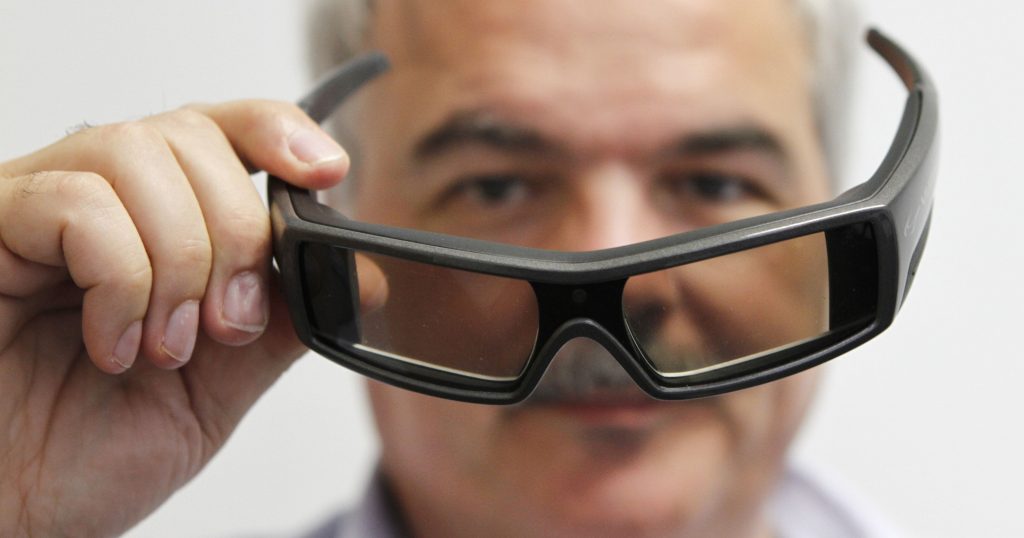
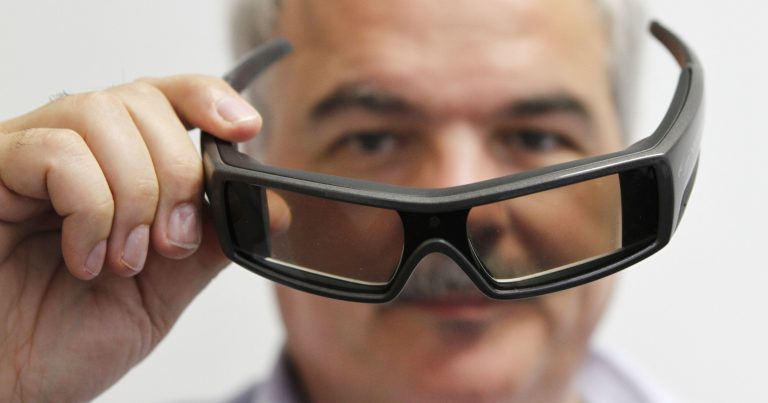
Privacy concerns surrounding AI-powered smart glasses are gaining momentum, with Australia’s Macquarie Dictionary naming the derogatory term ‘pervert glasses’ its 2026 Word of the Year.
The expression, which refers to camera-equipped eyewear capable of recording people without their knowledge, secured both the dictionary’s committee award and the People’s Choice award.
The decision reflects growing public unease over wearable surveillance technology, presenting another reputational challenge for companies such as Meta as they attempt to drive mainstream adoption of smart glasses.
The Macquarie Dictionary committee indicated that the term captures broader societal concerns about the rapid development of artificial intelligence, increasing surveillance and the potential misuse of emerging technologies.
Meanwhile, regulatory pressure is mounting in Europe, with the Dutch Data Protection Authority advising consumers against purchasing AI-powered smart glasses.

The Netherlands’ privacy regulator has raised concerns about the ability of wearers to photograph and record members of the public without their consent, as well as the reliability of information delivered through integrated AI assistants.
The authority warned that inaccurate AI-generated advice could potentially put users at risk, including instances where the technology incorrectly interprets medication labels.
The warning adds to growing international scrutiny of camera-equipped wearables, with Norway also reportedly introducing temporary restrictions on their use in public spaces.
Meta has taken steps to address privacy concerns surrounding its wearable technology, including software updates designed to make it more difficult for users to bypass privacy safeguards.
The company has also introduced camera-free Ray-Ban Meta Audio glasses, offering consumers connected eyewear without integrated video recording capabilities.
Despite these efforts, manufacturers face the challenge of balancing technological innovation with consumer expectations surrounding privacy, personal safety and responsible AI use.
The growing backlash could present a significant obstacle for the smart glasses market heading into 2027, particularly as manufacturers look to position AI-powered eyewear as the next major category in consumer electronics.