New Samsung LG Premium Display War, Nanorod QLED Tipped To Be Superior To OLED
 David Richards
13 May 2022
David Richards
13 May 2022
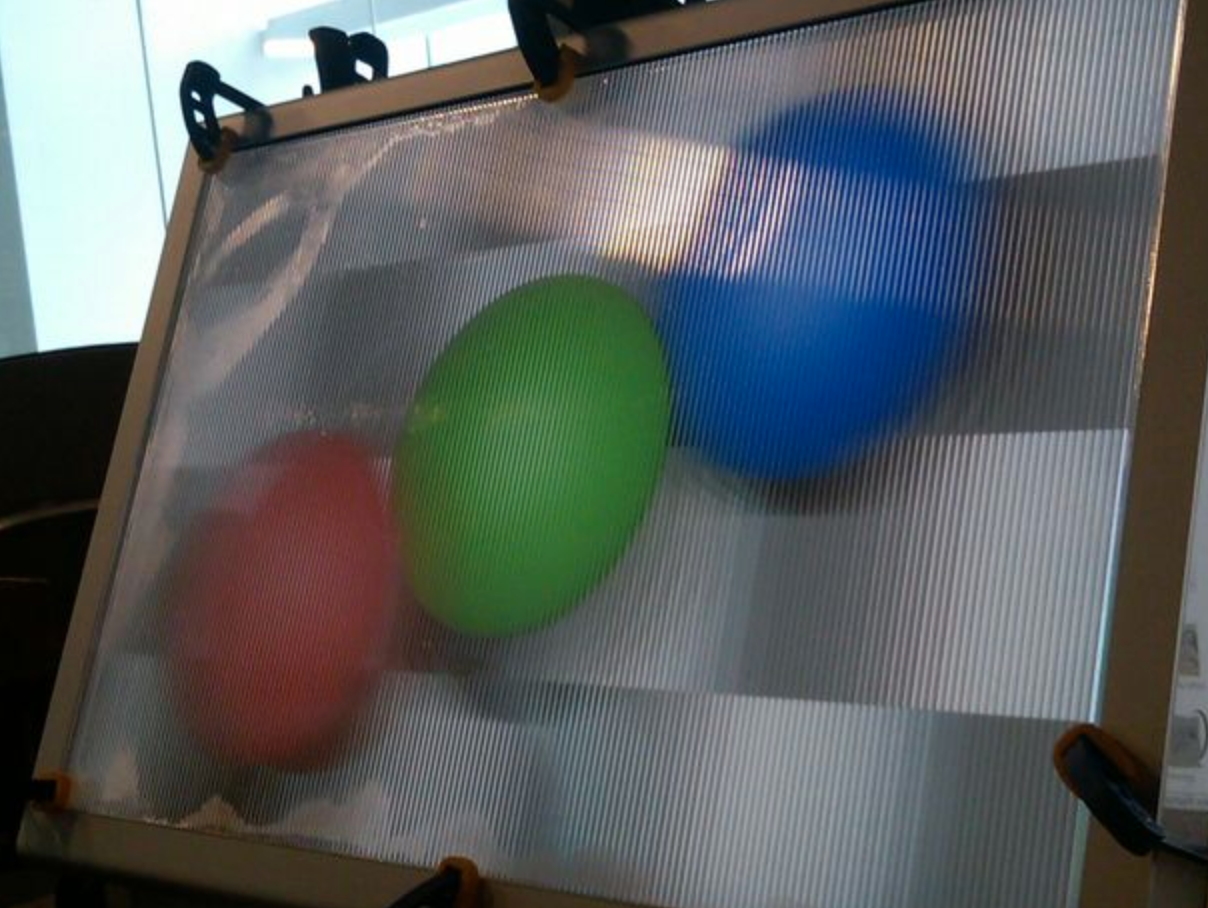
Samsung Display has postponed the installation of a pilot line for its next-generation quantum dot nanorod LED (QNED) display panels according to sources.
This technology is tipped to be better than OLED however Samsung needs to get commercialise production to get a return on investment.
The news comes as the South Korean Company negotiates with LG Display to get access to a white(W)-OLED panel.
The deal will depend on whether it can conclude its negotiation with LG Display this month according to The Elec.
This year we are seeing a lot of change taking place in the premium display market as arch rivals Samsung and LG Electronics battle it out.
The latest EVO panels from LG do not provide a significant brightness boost, even with the addition of heatsinks, so LG is now considering applying micro lens technology for upcoming TV models according to TheElec.
Micro lenses could improve peak brightness by better redirecting the reflected light from the panel towards the viewers.
It also helps reduce power consumption, so the panels don’t get driven too hard, further diminishing the burn-in effects, as well.
According to TheElec, micro lenses could increase the peak brightness for the W-OLEDs by up to 20%.
Combined with the new OLED.EX technology that is expected to be fully implemented with next year’s models; the peak brightness gains could reach up to 50%.
OLED.EX panels will enter production this quarter, while microlensing could be applied starting with 2H 2022.
Samsung is looking to use tick-shaped nanorod LEDs as the light source, with multiple units, representing one pixel on a screen.
When commercialised for mass production, it’s tipped to offer superior screens compared to OLED or MicroLED.
Nanorod LEDs are smaller than the LEDs used by Samsung Electronics for its MicroLED TV, which uses micrometre-sized LEDs as pixels.
Samsung Display originally planned to install the pilot line for QNED at its plant in Asan, South Korea by the first quarter of the year.
The company recently disbanded the team formed to install the pilot line with all the staff returning to their original posts, sources said.
Samsung Display is now working to expand their core technologies around QNED in its research lab.
The postponement means the display maker is expected to commercialize QNED displays at least a year later than it originally planned.
Samsung Display was expected to launch QNED display panels between 2024 to 2025 prior to the postponement.
The delay could slow down the Companies roll out of new premium TV technology going forward.
The tech giant initially wanted to launch TVs that use QNED displays by around 2024 to 2025.
Samsung Display will also have to decide if it will spend more on quantum dot (QD)-OLED.
According to Samsung engineers at CES Quantum dots are currently used to convert one wavelength of light into another, with almost no loss of luminance.
That’s why they’re showing up in QLED, QD-OLED, and QNED displays.
But quantum dots aren’t restricted to this middle-man role. They can also be energized directly using electricity. This is known as electroluminescence, and it’s the basis of quantum dot electroluminescent (QDEL) technology according to Digital Trends.
Each pixel is self-emissive, so just like with OLED-based displays, you get perfect blacks. Quantum dots decay over time, but just like LED-based displays, there’s no risk of burn-in which was a problem that LG faced with therir OLED display technology in the past.
Instead of using red- and green-tuned quantum dots to convert blue light, QDEL displays use three quantum dots per pixel — red, green, and blue — which are powered directly using electricity. The result is a display that, on paper, could be the holy grail of TV technology.