New Home Automation Matter Standard Released To Developers
 David Richards
06 Oct 2022
David Richards
06 Oct 2022

Matter the glue that could in the future hold home automation together, across multiple brands and multiple connectivity standards is now available for developers.
This week Google released new Nest Products with Matter connectivity built in also releasing Matter products is Apple and Amazon, these are three of the big global organisations that are key to the future of Matter as they own the voice activation systems used in most homes and devices today.
Remarkably silent is Matter member Samsung who appear to be trying to push their SmartThings Platform after cutting a deal with LG and Electrolux to support their own house brand platform.
This week Connectivity Standards Alliance announced on Tuesday that the Matter specification for smart home devices such as HomePod mini is now available to developers.
As part of the launch, eight authorized test labs are open for global product certification of products from Companies operating in the home automation marketplace.
Members of the Alliance with devices ready to support the standard can release or update them once they have been certified.
At this stage it’s not known how many Australian Companies are members of the Alliance.
Those that are members, will receive test tools and an open source software development kit to test Matter and its networking components, Wi-Fi and Thread.
“What started as a mission to unravel the complexities of connectivity has resulted in Matter, a single, global IP-based protocol that will fundamentally change the IoT,” said Tobin Richardson, President and CEO of the Connectivity Standards Alliance.
The Alliance says that Matter breaks new ground with security policies and processes using distributed ledger technology and Public Key Infrastructure to validate device certification and history.
This technology helps people verify that they are connecting to authentic, certified smart home devices on their home network.
Matter runs over Ethernet, Wi-Fi, and Thread, using Bluetooth Low Energy to let devices talk to each other.
Over Wi-Fi lets Matter devices interact over a high-bandwidth local network and allow smart home devices to communicate with the cloud.
Thread provides an energy-efficient and reliable mesh network within the home.
Google, Apple and Amazon claim they will add Matter support across multiple devices.
Apple said last week that they will update Matter to the Home app later in 2022.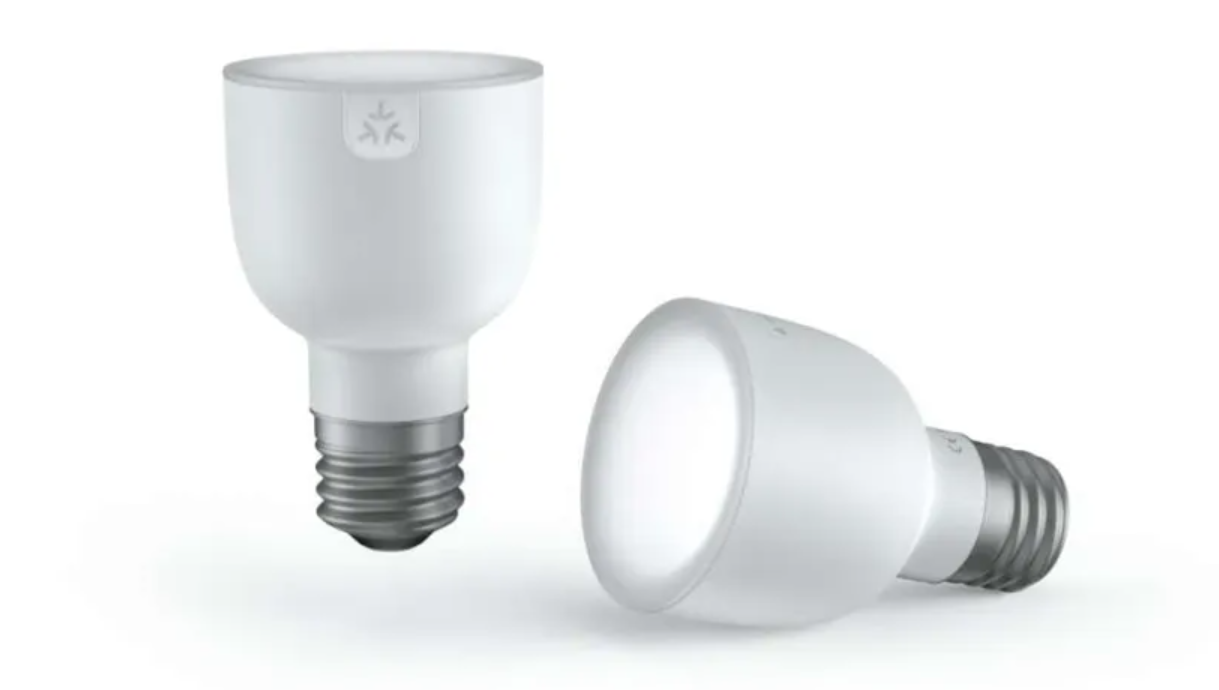
Controlling Matter accessories with the Home app and Siri requires a device acting as a hub, or controller.
Apple devices that can act as a hub include HomePod, HomePod mini, Apple TV HD, and Apple TV 4K. The company has already added Matter support in the tvOS 16 release.
The first release supports smart home products such as lights, window shades, security sensors, door locks, and more.
What Is Matter
The days of expensive home automation systems such as Control 4, could be over with Matter delivering simplicity and low cost and that does not mean the integration of cheap devices.
Even top end audio and entertainment systems can be Matter certified without the need to run expensive cabling or have to install customised home control systems.
Smart home devices are supposed to make your life easier and more convenient, but installing a bunch of different internet-connected devices that don’t work together might complicate it even more.
Matter, is a new connectivity standard that aims to simplify the smart home ecosystem by allowing everything to seamlessly communicate with different devices from different manufacturers.
Broken down to it’s basic platform, Matter is a global and open-source standard that promises to allow internet-connected devices from different manufacturers to simply and securely communicate.
Based on the internet protocol (IP), Matter promises to help manufacturers more easily build devices that are compatible with Amazon Alexa, Apple Siri, Google Assistant, and other smart home and voice services, according to Connectivity Standard Alliance (CSA) that oversees the standard.
The idea is to foster interoperability among smart home devices, regardless of brand, so you can seamlessly control them via your platform of choice.