New Concerns Over Chinese Suppliers & Social Media Organisations
 David Richards
17 Aug 2022
David Richards
17 Aug 2022

Security services in Australia are mounting a new push against Chinese spying, with new concerns mounting that Chinese Companies whose products are sold in Australia are in no position to deny a request from the Chinese Government to spy on Australians and Australian businesses.
This week it was revealed that Chinese Companies Alibaba, TikTok-owner ByteDance and Tencent all who businesses that have a major presence in Australia have handed over details of their algorithms to the Chinese Communist regime.
In the consumer market there are real concerns over the sale of Chinese security cameras such as from Companies such as Eufy, TP Link and in the B2b market Hikvision and Dahua.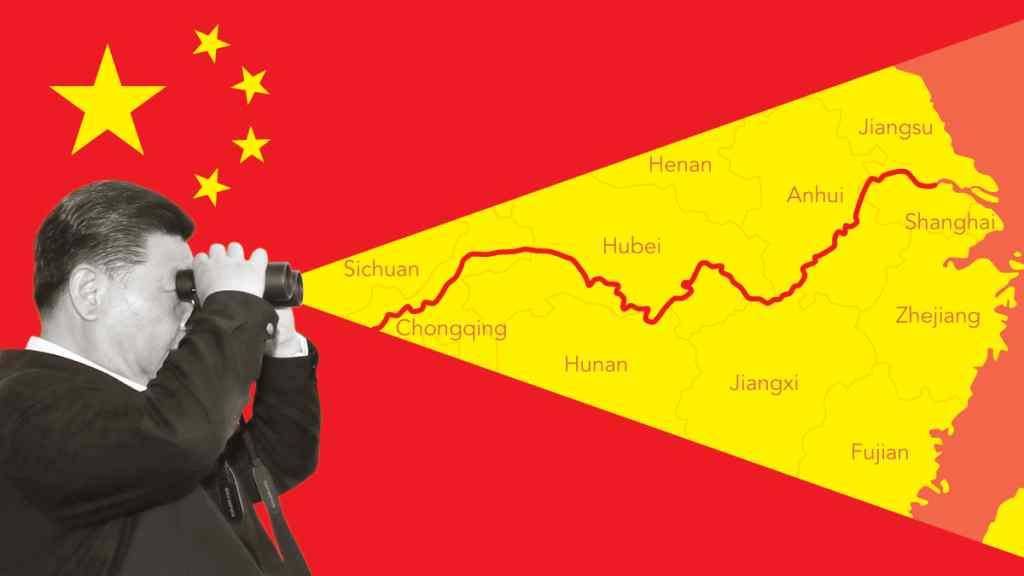
There is also concern about the sale of Chinese smartphones from the likes of ZTE, Xiaomi, Realme, Vivo, TCL and Oppo especially models that are purchased from Chinese web sites that are operating with a .au address or are dressed up to look as if they are a local site.
As COVID was unfolding in the USA the National Defence Authorization Act (NDAA), was signed into law it included a ban on the purchase and use of certain video surveillance cameras manufactured in China.
The law requires all US federal government agencies, contractors, and critical infrastructure to immediately remove, or have a plan to remove Chinese security cameras from their operations, so far this has not happened in Australia however ChannelNews understands that various Government departments have discussed several operations for the Australian market.
The purpose of the US ban mainly stems from cybersecurity and national security concerns due to the potential for espionage of military and government facilities by the Chinese government.
The ban includes major Chinese camera manufacturers Hikvision and Dahua and according to the law: “any subsidiary or affiliate of such entities” and involves surveillance cameras used “For the purpose of public safety, security of Government facilities, physical security surveillance of critical.
In the USA Huawei and ZTE suppliers to carriers such as Optus and Telstra and the likes of TPG who are still installing Huawei switches into their fibre networks are also banned.
In Australia Huawei notebooks and tablets are still being sold by Kogan, the Wesfarmers owned Catch and Amazon. There is no mention of any security risks with these products.
Telstra is also selling a range of ZTE mobile phones despite the brand being banned in the USA.
The granting of access to the Chinese Government of algorithms is a clear sign that Chinese Companies “have no say” when asked to hand over information claims observers.
The Cyberspace Administration of China (CAC) has published a list with the descriptions of thirty algorithms.
In a statement it said that its algorithm list would be routinely updated in a bid to curb data abuse.
Among the listed algorithms is one belonging to e-commerce website Taobao, owned by Alibaba.
The Mandarin document said Taobao’s algorithm “recommends products or services to users through their digital footprint and historical search data.”
Access to Byte Dance’s TikTok algorithm is said to allow the Chinese Government to gauge user interests through what they click, comment on, “like” or “dislike”.
Kendra Schaefer, head of tech policy research at Trivium China told the BBC “Each one of these algorithms has been given a registration number, so the CAC can focus enforcement efforts on a particular algorithm. The question is, what is the next step to seeing if an algorithm is up to code?”
Zhai Wei, an executive director at the Competition Law Research Centre at the East China University of Political Science and Law, believes the information provided was “much more detailed than what was published for sure”.
“That involves some business secrets, which is not possible to be released to the public,” he told Bloomberg.
In China International brands like Google and Facebook have been under pressure to submit the same kind of information over concerns about how they use data and curate content, but they have resisted until now, saying that algorithms are business secrets.
Chinese regulators have been tightening their grip on the technology sector for nearly two years however what is not known is how much information they have already gleaned from Chinese brands that operate globally and in markets such as Australia where the Federal Government is at war with the Chinese Government over trade bands and Taiwan.
Ms Schaefer said it was “remarkable” that the registrations were made public.