Netflix Shifts Gaming Strategy from Indie Support to Licensed Content Focus
 Isabella Alexiou
23 Jul 2025
Isabella Alexiou
23 Jul 2025
Netflix has confirmed plans to continue investing in video games while significantly overhauling its approach following years of low subscriber engagement and strategic uncertainty.
The streaming giant is moving away from ambitious indie game partnerships toward a more focused strategy centred on licensed content and mainstream appeal, marking a notable shift in how subscription services approach gaming.
Netflix co-CEO Greg Peters confirmed during a recent investor call that the company will “ramp investment in this area” while maintaining a disciplined approach to spending.
The gaming investment remains “quite small” compared to Netflix’s overall content budget, with the company focused on demonstrating clear value for subscribers before scaling operations significantly.
The strategic pivot follows disappointing engagement metrics, with reports indicating that less than 1% of Netflix subscribers were actively playing the platform’s games by 2023.
This poor performance prompted questions about the viability of gaming on the platform and led to the comprehensive strategy overhaul currently being implemented.
Netflix has established four key pillars for its gaming future: narrative games, multiplayer party games, games for kids, and “mainstream” releases, including licensed tie-in games and original titles with widespread appeal.
This framework represents a dramatic departure from the company’s previous approach of supporting diverse indie developers and experimental content.
The restructuring has resulted in significant casualties for the gaming ecosystem.
Netflix recently shut down its AAA studio that featured veteran talent from Overwatch, Halo, and God of War, citing the need for games to better match the Netflix platform.
The company also cancelled plans to publish several anticipated titles, including Tales of the Shire.
Major game removals have further demonstrated the strategic shift, with Netflix removing acclaimed titles including Hades, the Monument Valley series, Golden Idol games, and several Devolver Digital titles from its platform.
These departures represent the loss of critically acclaimed indie content that had previously distinguished Netflix’s gaming offerings.
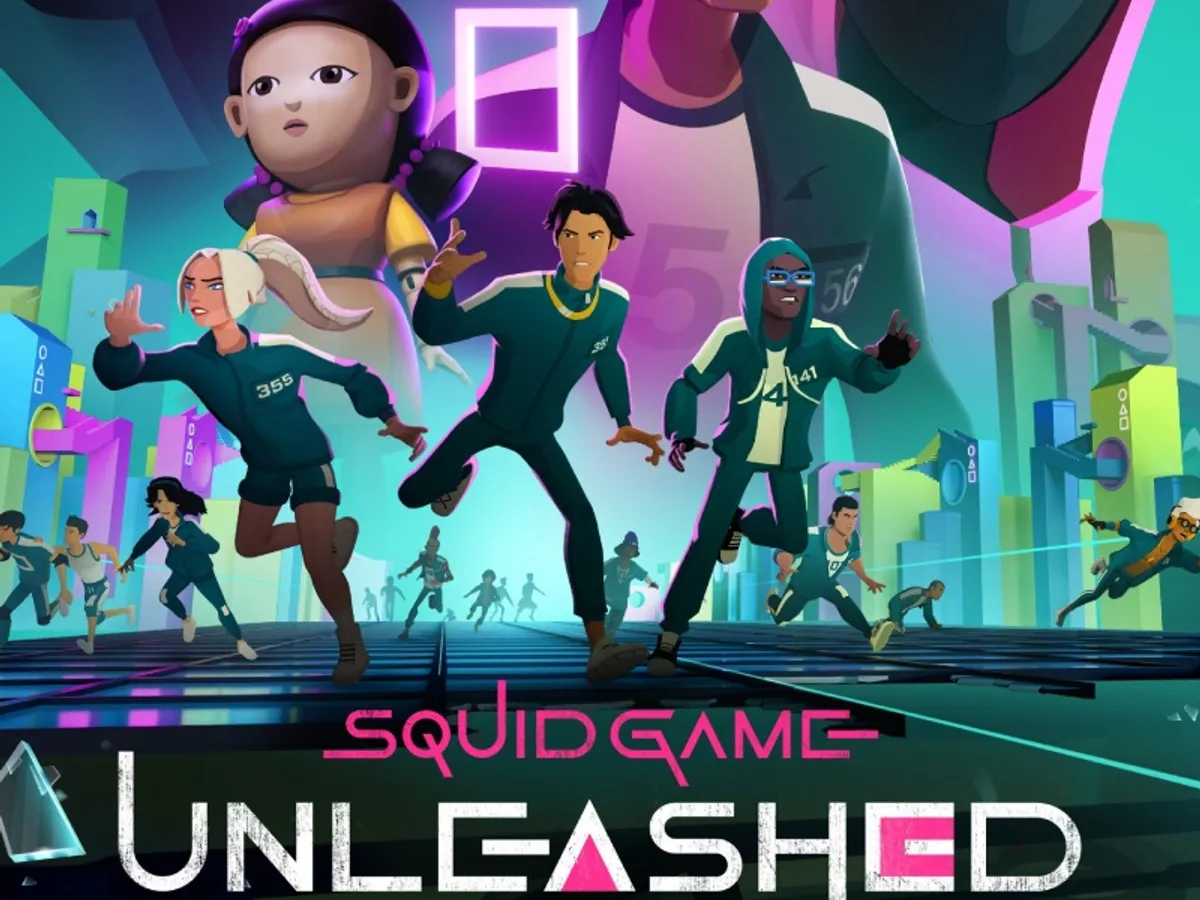
The company’s current success stories align with its new strategy, with Peters citing Squid Game: Unleashed and GTA’s Netflix ports as examples of effective licensed game development.
These titles fit the mainstream and licensed content categories that now define Netflix’s gaming investment priorities.
“We’ve seen good progress with licensed games like GTA,” Peters explained.
“We’ve seen good progress with the games we developed, like Squid Game: Unleashed. So you’ll see more from us in both of those categories, as well as a whole new set of interactive experiences.”
While Netflix has not explicitly announced changes to its gaming monetisation model, Peters indicated the company remains “open” to adjustments once the platform achieves “a lot more scale.”
This suggests potential future developments that could impact how games are accessed or purchased within the Netflix ecosystem.
The transformation reflects broader challenges facing subscription services attempting to expand beyond their core competencies.
Netflix’s initial gaming strategy, launched in 2021, featured partnerships with respected publishers like Devolver Digital and support for innovative indie developers seeking platform distribution.
The shift away from indie game support mirrors similar trends across the entertainment industry, where streaming platforms increasingly prioritise content with proven audience appeal over experimental or niche offerings.
This approach may improve engagement metrics, but potentially reduces diversity and innovation within the gaming medium.
For indie developers, Netflix’s strategy change eliminates a potentially significant distribution platform that offered unique opportunities for creative content.
The loss of this avenue, combined with similar retreats from other major platforms, narrows the landscape for innovative game development outside traditional publishing channels.
The emphasis on licensed content and mainstream appeal suggests a more risk-averse approach to content investment in the gaming sector.