MSI Unveils World’s First Inkjet-Printed OLED Monitor To Challenge Samsung And LG
 Joe Gallop
27 Jul 2026
Joe Gallop
27 Jul 2026
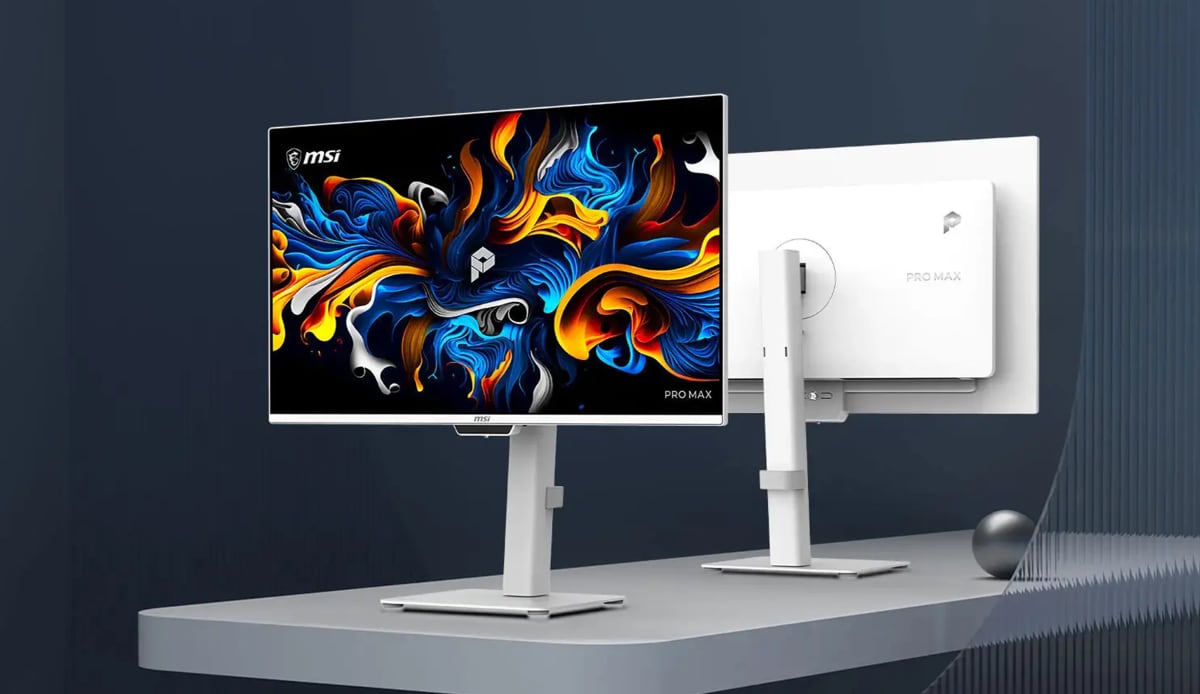
MSI has unveiled what it claims is the world’s first monitor built around an inkjet-printed OLED panel, introducing a new challenger to the display technologies supplied by Samsung Display and LG Display.
The MSI PRO MAX OLED 271UPJW12 uses a 27-inch 4K OLED panel manufactured by TCL’s display division, TCL CSOT, which has spent more than a decade developing inkjet-printing technology.
Unlike conventional OLED manufacturing, inkjet printing deposits organic light-emitting materials directly onto the panel using precision printing equipment.
The process is expected to reduce material waste, improve production efficiency and potentially lower the cost of OLED displays as manufacturing volumes increase.
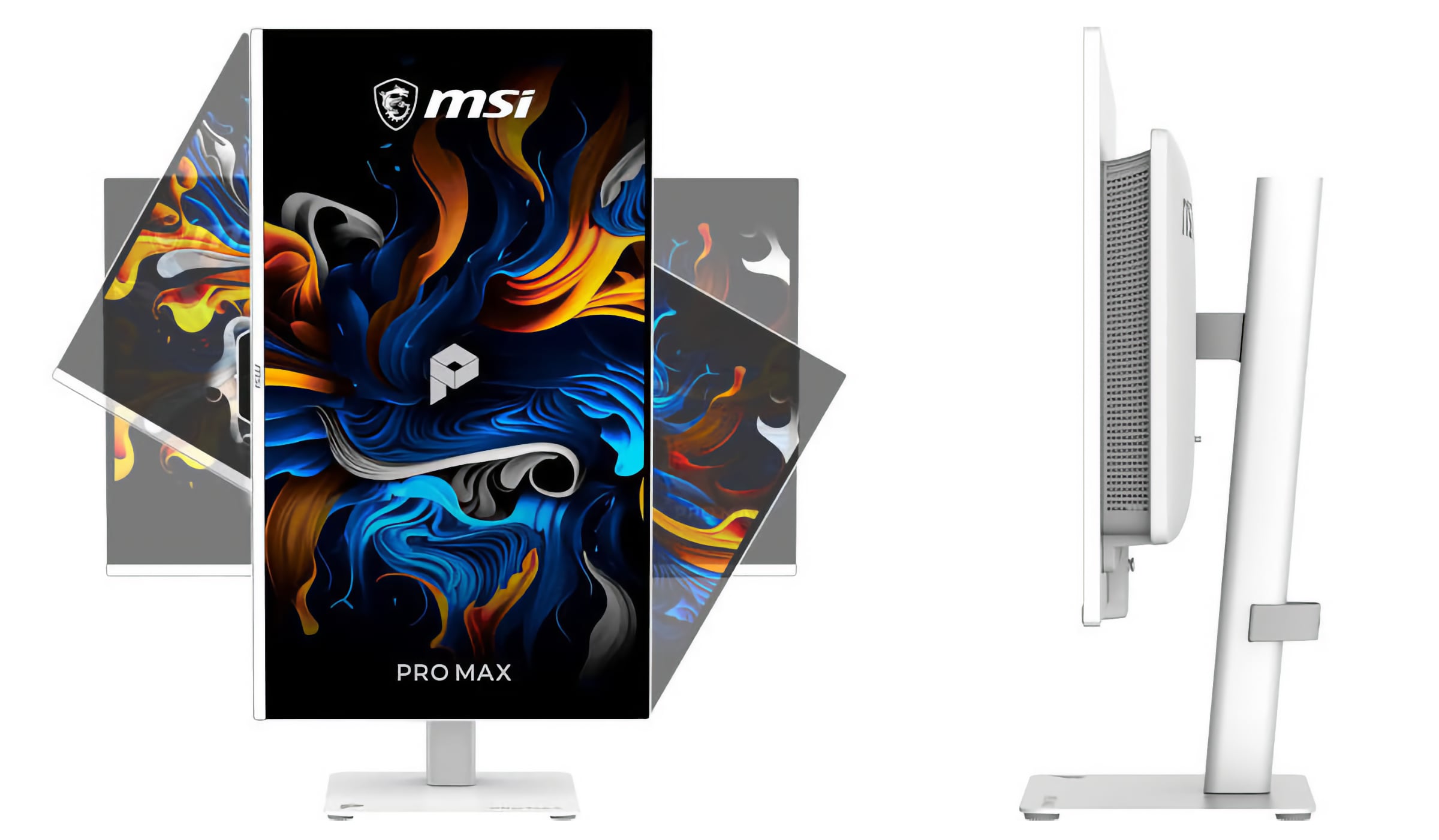
The monitor features a native RGB-stripe subpixel layout, designed to improve text and image clarity while reducing the colour fringing sometimes associated with alternative OLED pixel structures.
It has a 3840 x 2160 resolution, 120Hz refresh rate, adaptive-sync support and a claimed 0.1ms response time.
MSI is positioning the display primarily at professional and productivity users rather than competitive gamers, where 240Hz OLED monitors have become increasingly common.
The panel covers 99% of the DCI-P3 colour gamut, is factory calibrated to a Delta E of below two and carries VESA DisplayHDR True Black 500 certification. Full-screen SDR brightness is rated at 300 nits, while peak HDR brightness reaches 1,000 nits.
Connectivity includes two HDMI 2.1 ports, DisplayPort 1.4 and USB-C with 15W power delivery, alongside a built-in KVM switch, picture-in-picture and picture-by-picture modes.

MSI has also introduced an OLED Auto Care system that performs compensation routines in the background rather than interrupting users with mandatory panel refresh prompts.
TCL CSOT has reportedly started low-volume production of the panel at its existing Gen 5.5 OLED production line, ahead of plans to begin production at a larger Gen 8.6 facility in 2027.
Australian pricing and availability have not been announced.
The launch comes as OLED competition intensifies, with Samsung Display also revealing tandem OLED laptop panels capable of exceeding 700 nits of sustained full-screen brightness.