Minimum Wage Up 5.75%, Retail Groups React
 Nathan Jolly
02 Jun 2023
Nathan Jolly
02 Jun 2023

The Fair Work Commission has increased the national minimum wages by 5.75 per cent.
This will directly impacted the estimated 0.7 per cent of workers who are currently receiving the lowest legal wage. The hourly minimum wage will rise from $21.38 to $22.61, with the weekly rate up from $812.60 to $859.32.
The Australian Council of Trade Unions was pushing for a 7 per cent increase, while employment groups were hoping for something with a 3 at the front.
The Australian Retail Association recommended an increase of no more than 3.5 per cent, noting that employers will also be paying employees an extra 0.5 per cent in superannuation from July 1.
ARA CEO Paul Zahra warned against a higher leap in his address at the FWC Annual Wage Commission on Monday, pointing out that the retail sector employees 1.3 million Australians, making it the largest private sector employer in the country.
“However, labour costs are one of the largest costs for our members and, unfortunately, unsustainable wages growth has the potential to impact margins and prices, risking a harmful wage price spiral,” Zahra said.
“That is why we have tried to take a balanced approach in our recommendation to this year’s annual wage review.”
The FWC weren’t convinced.
“We are confident that the increase we have determined will make only a modest contribution to total wages growth in 2023-2024 and will consequently not cause or contribute to any wage price spiral,” Fair Work Commission President Justice Adam Hatcher said.

Hatcher noted the increase won’t even keep up with inflation.
“However, the level of wage increase we have determined is we consider the most that can reasonably be justified in the current economic circumstance.”
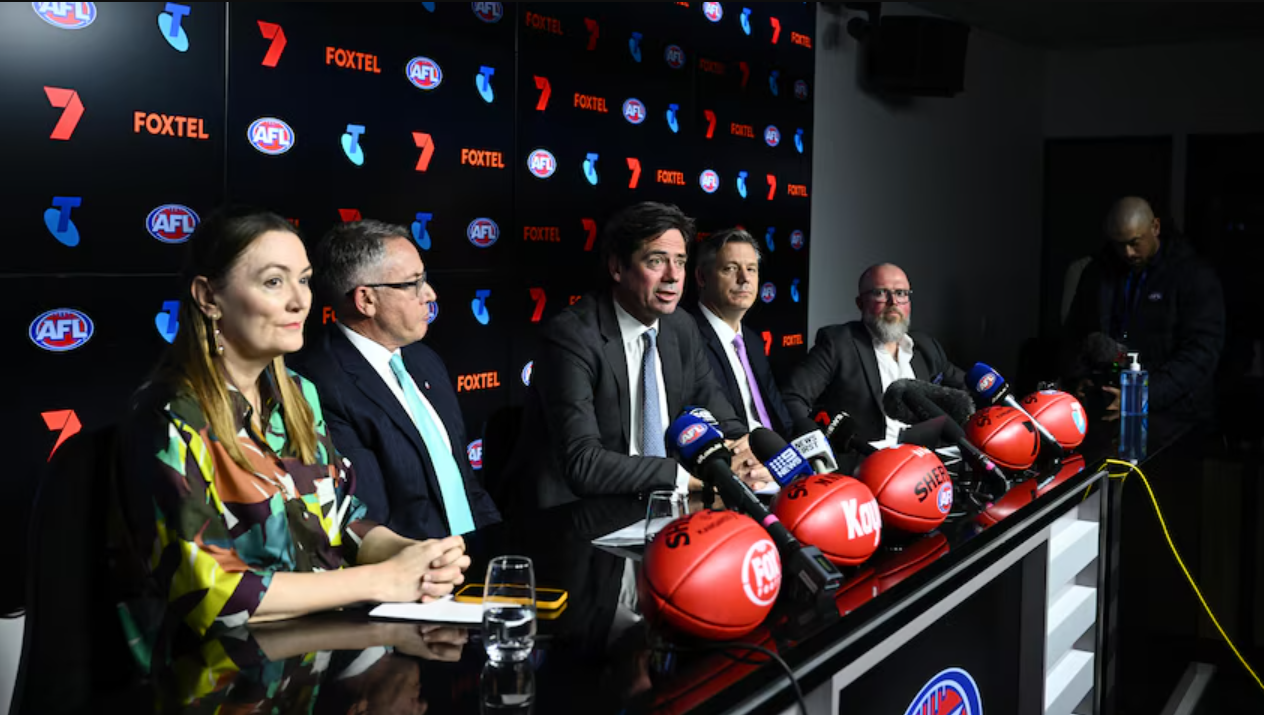
Zahra (pictured below) has since voiced ARA’s displeasure.
“We’re experiencing a cost-of-living crisis – so it’s important that wages continue to grow; but we’re also continuing to experience a cost-of-doing-business crisis so it’s a very delicate balancing act to keep business operating sustainably,” he said.
“Many retailers are under enormous financial pressure, with rising operating costs across the board. Supply chain costs have increased, utilities have increased, rent has increased, materials have increased and now labour will increase substantially.
“This is before factoring in that discretionary spending is softening – leaving many retailers concerned about operating costs.
“We fear the scale of this increase will tip some businesses over the edge – especially smaller retailers who are on very slim profit margins or in some cases in negative cashflow territory.”
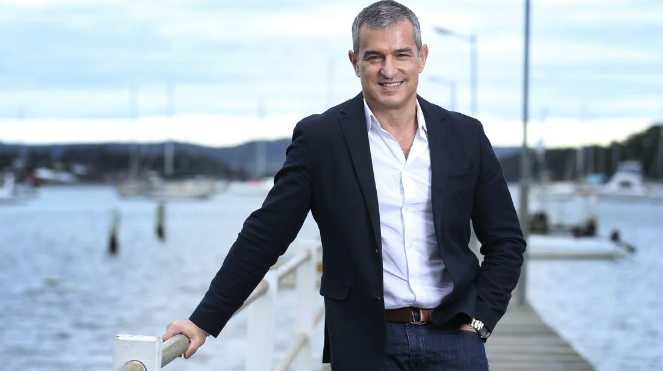
Australian Chamber of Commerce and Industry chief executive Andrew McKellar said the hike “risks unlocking the floodgates for deep and prolonged economic pain”.
“Today’s decision will come as a hammer blow for the 260,000 small and family-owned businesses who pay minimum and award wages,” McKellar said.
“The Fair Work Commission has made a dangerous choice to chase after the supply-side inflation shock that we are experiencing. An arbitrary increase of this magnitude consigns Australia to high inflation, mounting interest rates and fewer jobs.
“Businesses in the accommodation, food, construction, manufacturing, and retail sectors have experienced falling profits over the past two years. The reality is many of the small and family firms in these industries will be unable to absorb this extra cost without raising prices.
“The commission has disregarded the message it conveys to the wider labour market and the influence it holds over entrenching high inflation as the Australian economy faces a worsening outlook in the years ahead.
“A 5.75 per cent increase will make the job of the Reserve Bank more difficult to control ongoing inflationary pressures, inflicting pain on families and small business when they are already down to the wire.”
Sally McManus, Secretary of the Australian Council of Trade Unions, pointed out that many big businesses have recently posted record profits.
“We see the huge profit announcements being made over the last month, whether it be from the banks, whether it be the supermarkets, whether it be Qantas, whether it be the mining companies. We all see this. Australians see this.
“It is not fair that during this economic crisis some people are doing very well and posting those profits. Some of them are larger than their profits in previous years, and at the same time the working people are seeing the largest real wage cuts they’ve ever seen. Ever recorded. That is simply not fair.
“Those employers, those big CEOs, need to stop thinking of their short-term bonuses and accept they need to pay Australian workers fairly and shoulder some of the responsibility for easing the cost of living.”