Mid Year Deals Fail to Boost Department Store Sales
 Chris Griffith
01 Aug 2023
Chris Griffith
01 Aug 2023

Australian midyear, end-of-financial year sales have been a chance for retailers to enjoy a sales spike, but not 2023.
Prevailing economic conditions and an increasing consumer preference to buy goods online from retail giants such as Amazon have taken toll.
Far from witnessing a sales spike, Australian retail turnover fell 0.8 percent in June 2023, according to figures by the Australian Bureau of Statistics.
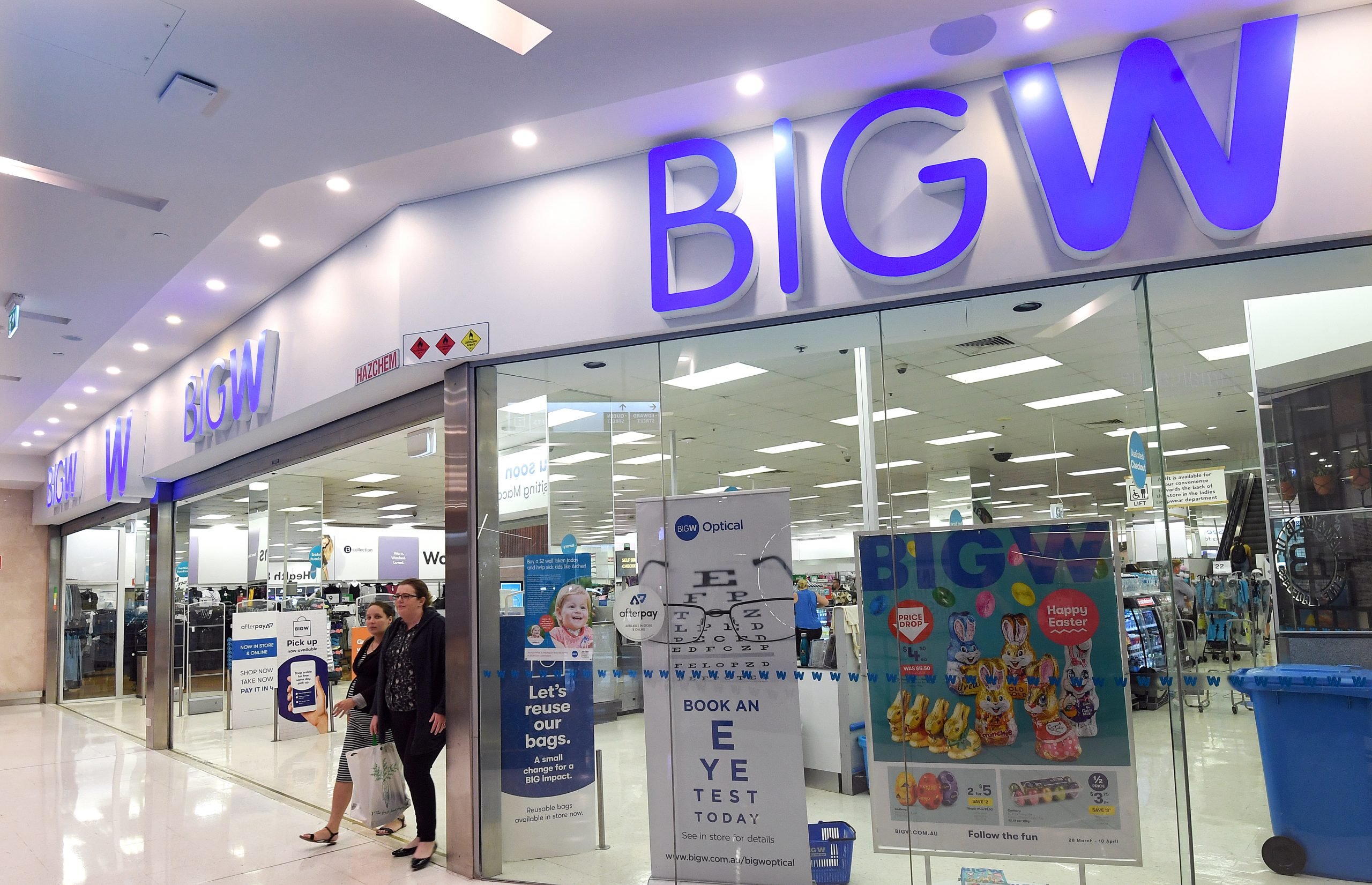
General view of a BIG W department store in Brisbane, Tuesday, April 1, 2019. Woolworths will close about underperforming 30 Big W stores and two distribution centres over the next three years after increasing numbers of shoppers took their business online. (AAP Image/Dave Hunt) NO ARCHIVING
“Retail turnover fell sharply in June due to weaker than usual spending on end of financial year sales,” says Ben Dorber, ABS head of retail statistics. “This comes as cost-of-living pressures continued to weigh on consumer spending.”
According to the bureau, department stores offered extra discounting and promotional activity in May, leading up to the mid-year events. However, the boost received from this was temporary as consumers pulled back on spending in June.

Department stores (-5.0 per cent) recorded the largest fall, followed by other retailing (-2.2 per cent) and clothing, footwear and personal accessory retailing (-2.2 per cent). Household goods retailing also fell (-0.1 per cent), the eighth monthly fall in turnover over the past 12 months, it says.
Other statistics suggest the retail downturn can’t be blamed purely on economic conditions. It’s partly consumer preference. Last month’s Amazon Prime Day sales saw the online store giant snare US$12.7 billion – a 6.1 percent rise compared with 2022. The statistics were for US sales, which has also experienced higher interest rates and harder economic conditions. Australians enthusiastically took part as well.