Microsoft’s $100B Activision Takeover Gets EU Approval
 Nathan Jolly
16 May 2023
Nathan Jolly
16 May 2023
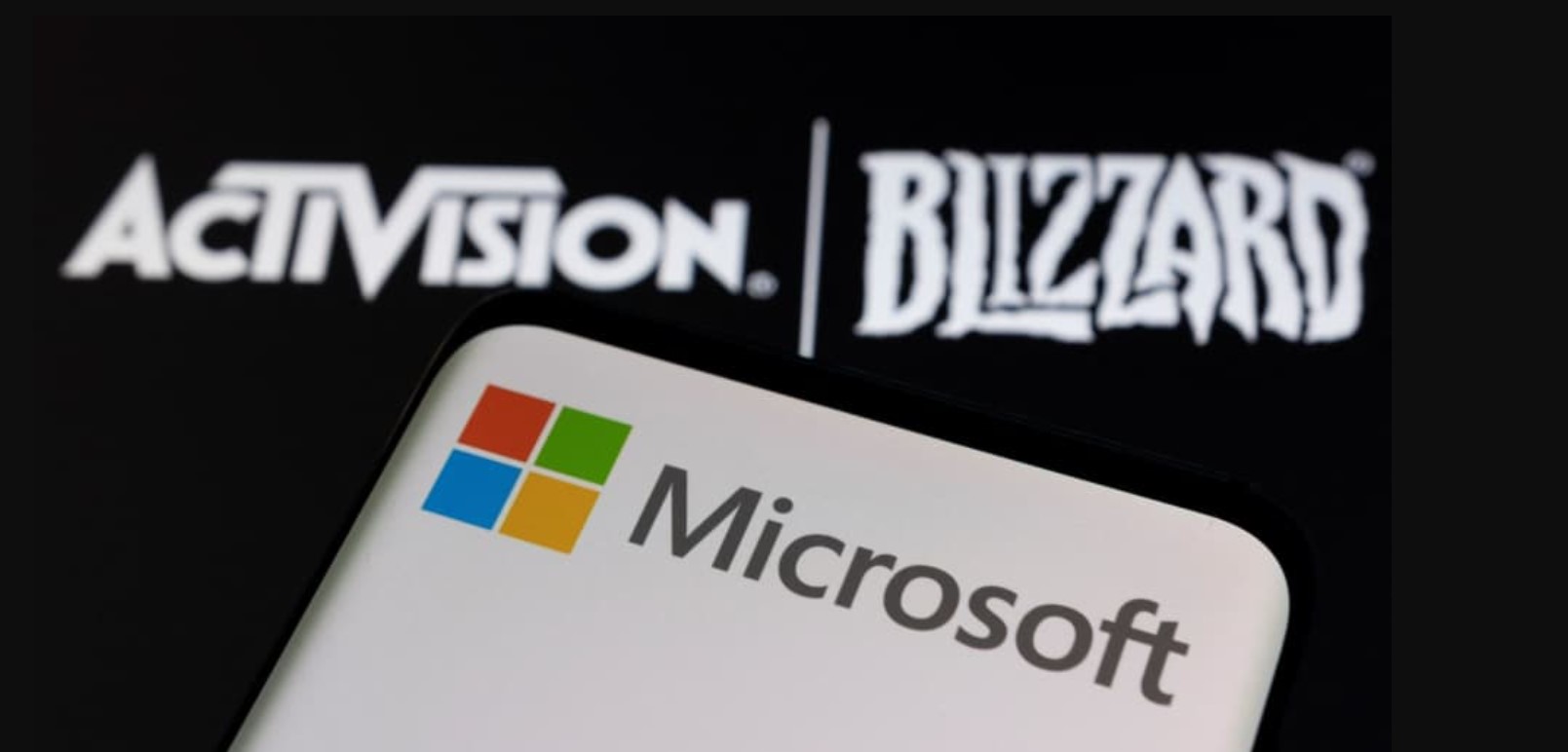
Microsoft’s proposed A$100 billion takeover of Activision Blizzard has been given the green light by the EU, however the recent rejection of the deal by the UK watchdog means the acquisition still faces significant hurdles.
The European Commission found the deal wouldn’t hurt competition, pointing to Microsoft’s deals with competitors that would see its tentpole title Call of Duty on other platforms for 10 years, a situation EU antitrust chief Margrethe Vestager calls “pro-competitive”.
“The commitments fully address the competition concerns identified by the Commission and represent a significant improvement for cloud gaming as compared to the current situation,” the EU competition watchdog said in a statement.
“We agree that the cloud streaming market is a promising market,” Vestager said.
“We may disagree about the speed at which it will develop.”
The EU commission “conducted an extremely thorough, deliberate process to gain a comprehensive understanding of gaming,” according to Activision CEO Bobby Kotick.

“As a result, they approved our merger with Microsoft, although they required stringent remedies to ensure robust competition in our rapidly growing industry.”
Despite this, both the FTC, who filed a lawsuit to block the deal, and the UK’s Competition and Markets Authority, who rejected the acquisition, will prove to be major roadblocks.
“Microsoft’s proposals, accepted by the European Commission today, would allow Microsoft to set the terms and conditions for this market for the next 10 years,” CMA chief executive Sarah Cardell said.
“They would replace a free, open and competitive market with one subject to ongoing regulation of the games Microsoft sells, the platforms to which it sells them, and the conditions of sale.

“This is one of the reasons the CMA’s independent panel group rejected Microsoft’s proposals and prevented this deal.”
Microsoft and Activision have engaged lawyers and will appeal the CMA decision.
Microsoft President Brad Smith told the BBC last month the CMA decision was “bad for Britain”.
“It does more than shake our confidence in the future of the opportunity to grow a technology business in Britain than we’ve ever confronted before,” he said.
“There’s a clear message here – the European Union is a more attractive place to start a business than the United Kingdom.”