Microsoft Under Fire: Stock Plummets as ‘Forced’ AI Strategy and Surface Failures Ignite Global Backlash
 David Richards
10 Feb 2026
David Richards
10 Feb 2026

Microsoft is navigating a “perfect storm” of financial instability and consumer resentment as its ambitious pivot to Artificial Intelligence begins to backfire. Following two devastating share price crashes in a single week, Wall Street analysts and global consumers are asking the same question: Has the world’s most powerful software company lost its way?
The crisis, which wiped billions off Microsoft’s market valuation overnight, was catalysed by rare back-to-back downgrades from Melius Research and Stifel.
Analysts expressed “shock” at the low adoption rates of Copilot—estimated at just 15 million paid users despite three years of aggressive marketing—while the company simultaneously pours an eye-watering $100 billion to $200 billion into AI infrastructure.
The “Lose-Lose” Capital Trap
Melius Research analyst Ben Reitzes described Microsoft’s current position as a “lose-lose” scenario. To keep pace with Google and Amazon, Microsoft must continue to ramp up its capital expenditure (capex), a move that is already cannibalizing its free cash flow.
“If they don’t increase spending now, it reflects an execution issue or a desperate need to manage earnings,” Reitzes warned. “Neither is a good sign for investors.”
Compounding the financial dread is the massive $625 billion backlog of contracted revenue, of which nearly 45% is tied to OpenAI commitments. Analysts warn this high concentration of risk makes Microsoft vulnerable to any cooling of the AI sector.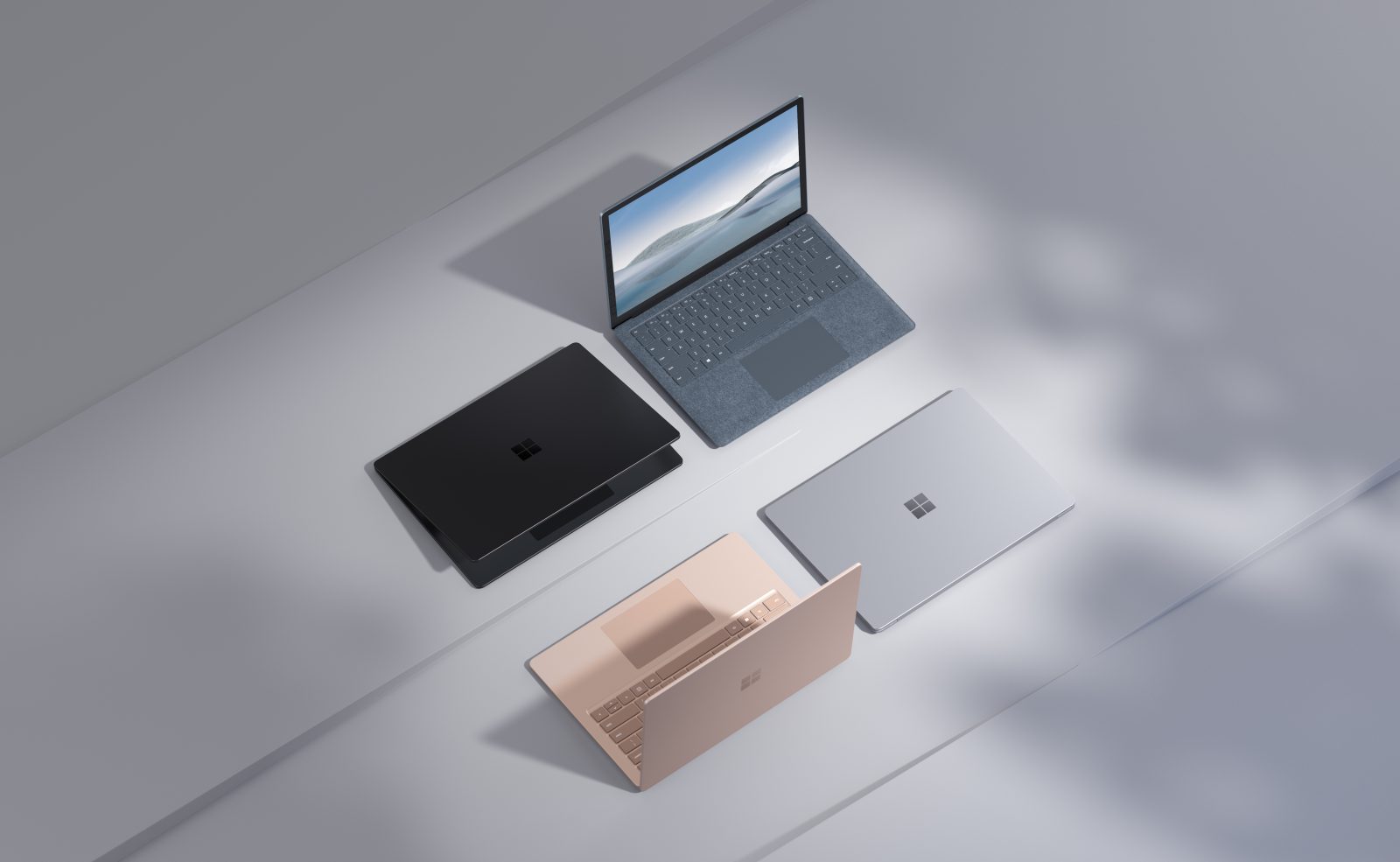
A Retail Collapse: The Surface Slump
While Microsoft’s cloud business remains a titan, its hardware division is in freefall. In Australia, major retailers like JB Hi-Fi and Harvey Norman report a “noticeable decline” in Surface notebook sales.
A retail executive, speaking on the condition of anonymity, described a “toxic environment” for the brand. “We are seeing repeated revenue declines driven by perceived poor quality and high return rates,” the executive said. “Customers who used to buy Surface are now migrating back to Apple’s MacBook or high-end machines from Lenovo and Dell that offer better specs for the price.”
Microsoft’s attempt to “price gouge” by removing $999 base models from its website has only accelerated the exodus, leaving the Surface brand with a dwindling 4% slice of the global market.
Consumer Revolt: “AI Everywhere” Backlash
The most visceral threat to Microsoft’s dominance, however, is a grassroots mutiny among its core users. Windows and Microsoft 365 customers are increasingly vocal about the “forced” integration of AI into every corner of the operating system.
Surveys indicate that one-third of consumers now reject AI-enabled devices outright, citing privacy fears. Features like “Windows Recall,” which monitors user activity, have been branded “intrusive” and “unsettling,” even with Microsoft’s recent attempts to make them opt-in.
The complaints on tech forums are sharp and consistent:
Forced Upgrades: Users report being locked out of their machines for mandatory AI updates in the middle of critical Teams calls and presentations.
Reliability vs. Hype: Frequent feature pushes are introducing bugs and instability, with basic tasks in Outlook now requiring multiple clicks for actions that previously took one.
The “Monopoly” Torch: Microsoft is being accused of using its OS dominance to force users into hardware upgrades (like Copilot+ NPUs) while ending support for Windows 10—a strategy that has already triggered legal complaints and lawsuits.
Azure’s Cracking Foundation
The technical foundation of Microsoft’s AI dreams, Azure, has also shown signs of structural fatigue. A major global outage in October 2025, caused by a misconfiguration in Azure Front Door, paralyzed critical infrastructure for hours, affecting everything from airlines like Alaska and Hawaiian to local businesses in Australia.
The outage exposed an uncomfortable reality: the “architectural complexity” of Microsoft’s cloud is becoming a liability. As rivals like Google Cloud show faster revenue growth and better margins, Microsoft finds itself fighting a multi-front war it once thought it had already won.
The Road Ahead
As Microsoft faces the “blow torch” of public and professional scrutiny, the company is reportedly reevaluating its “AI everywhere” stance. Sources suggest some integrations in Paint and Notepad are under review, and the controversial “Recall” feature may be rebranded or scrapped entirely.
For now, the tech giant remains at a crossroads. It can either listen to a user base that demands a stable, AI-optional operating system, or continue its high-stakes gamble on a technology that Wall Street is starting to fear is a bubble.