Microsoft Pivots to Anthropic as “Struggling” Copilot Fails to Dent ChatGPT Dominance
 David Richards
10 Mar 2026
David Richards
10 Mar 2026

In a move that signals a growing crisis of confidence in its AI strategy, Microsoft is drastically diversifying its portfolio, integrating rival Anthropic’s models into its flagship “Copilot” suite.
The pivot comes as the tech giant faces a perfect storm of stagnant user adoption, persistent security vulnerabilities, and a stock price that has tumbled more than 13% this year.
Despite a relentless campaign to “bombard” Windows users with AI integrations, Microsoft has failed to stop the bleeding to arch-rival OpenAI. While Microsoft owns a 27% stake in the ChatGPT maker, the consumer and enterprise market has voiced a clear preference for the original chatbot over Microsoft’s “struggling” Copilot interface.
Loosening the OpenAI “Grip”
The integration of Anthropic’s Cowork (part of the Claude Code platform) into Copilot marks a historic shift. For years, Microsoft’s AI future was inextricably tied to OpenAI. Now, that grip is loosening as Microsoft executives scramble to reduce their dependency on the $730 billion partner.
Microsoft AI Chief Mustafa Suleyman recently framed the shift as a pursuit of “true self-sufficiency.” However, market analysts see it as a desperate move to find a “silver bullet” for a software offering that has languished despite being baked into the core of Windows and MS 365.
The Anthropic Gamble
To secure this new direction, Microsoft has committed a staggering $5 billion to Anthropic as part of a broader $30 billion computing deal. The goal is to infuse Copilot with Anthropic’s “Claude” models to handle high-stakes business tasks:
Automated Financial Data Gathering: Streamlining complex audits and reporting.
Presentation Generation: Moving beyond basic slides to data-driven narratives.
Team Coordination: Autonomous management of emails and calendars.
“The power of these tools being infused into a core platform has real durability,” claimed Judson Althoff, Microsoft’s Chief Commercial Officer, attempting to downplay fears that AI will simply “eat” the software-as-a-service (SaaS) industry.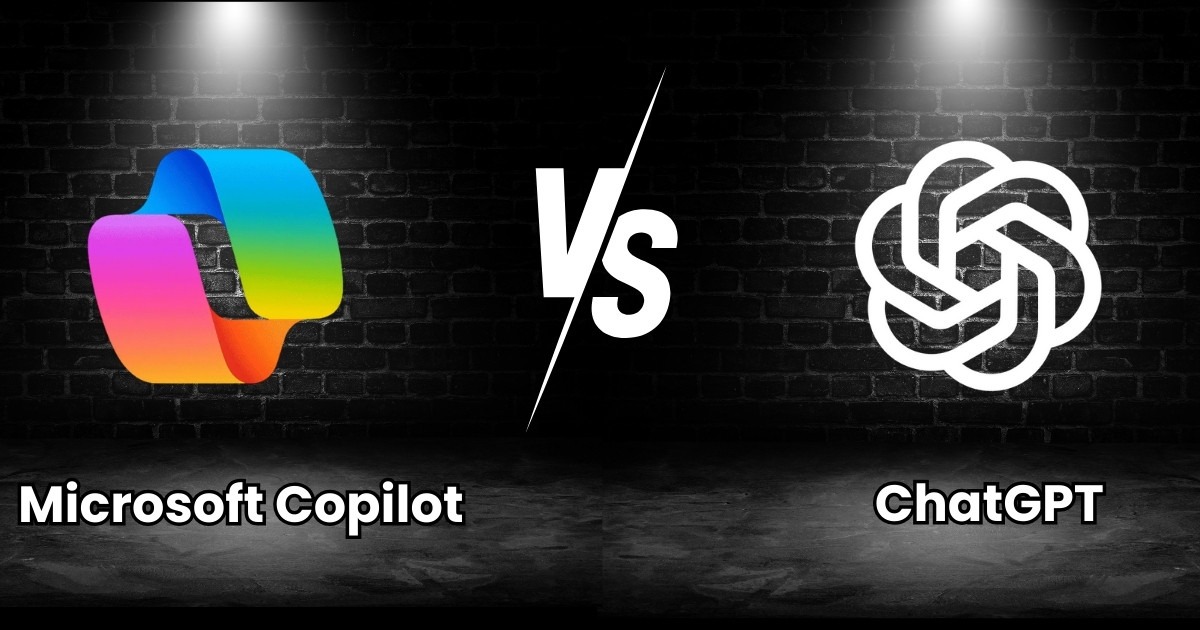
A Relationship Under Fire
The Microsoft-OpenAI marriage is further strained by Amazon’s recent entry into the fray. OpenAI last week inked a massive deal with Amazon, Microsoft’s primary cloud competitor, to purchase data center capacity and build AI agents for AWS customers.
This “open relationship” approach from OpenAI has left Microsoft in a precarious position. While Microsoft has invested nearly $14 billion in OpenAI since 2019, it is now forced to compete for the startup’s attention—and its own customers’ loyalty.
Market Volatility and Security Woes
The stakes could not be higher. Wall Street has already reacted with “widespread sell-offs” across software, insurance, and financial services as AI threatens to automate broad swaths of white-collar work. Microsoft, traditionally the safe harbor for enterprise software, is now defending its territory on two fronts:
Security: Frequent, disruptive updates to MS 365 to patch ongoing vulnerabilities have frustrated IT administrators.
Productivity: Investors remain skeptical that the surge in data center spending—now reaching historic highs—will yield the promised returns if users continue to prefer third-party chatbots.
The Bottom Line: Copilot Cowork will roll out to a limited set of customers this month. Whether the addition of Anthropic’s “Claude” can save a brand already suffering from “AI fatigue” remains the multi-billion dollar question for Microsoft management.