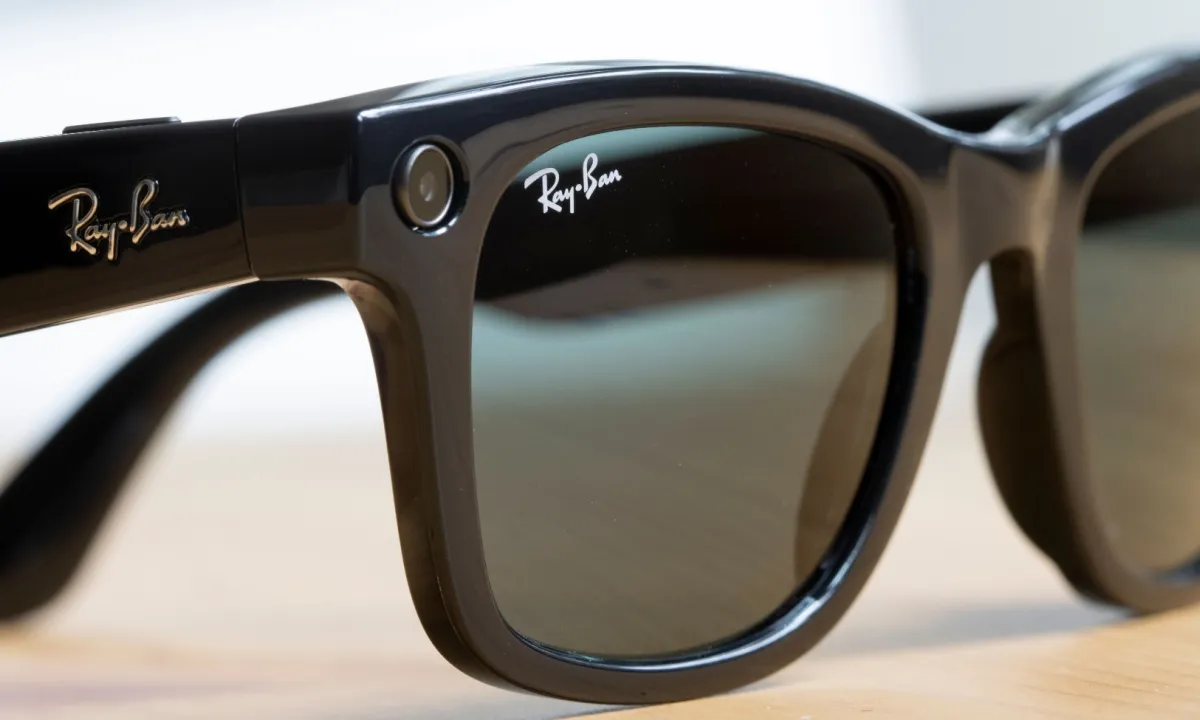
Meta Employees Caught Viewing Intimate Footage Through Smart Glasses
 April Ossington
25 Mar 2026
April Ossington
25 Mar 2026

Anyone considering Meta’s Ray-Ban smart glasses may want to pause after new reports revealed that user recordings have been viewed by contractors, including highly sensitive and private moments.
The findings come from investigations by Swedish newspapers Svenska Dagbladet and Göteborgs-Posten, which spoke to more than 30 employees at Sama in Kenya. The firm has been engaged by Meta to review footage captured by the glasses and label objects such as plants, vehicles and everyday items. However, workers claim the material they review often goes far beyond these categories, and that users are largely unaware of how their recordings are handled.
One contractor described seeing footage of people in extremely private situations, including while undressing or using the bathroom. According to the account, individuals appearing in these clips seemed unaware they were being recorded in such contexts.
Meta reported selling around 7 million pairs of its smart glasses in 2025, but the scale of data collection has raised concerns about what users may be inadvertently sharing. Workers involved in reviewing the footage say they have access to a wide range of personal content, including moments inside homes and, in some cases, sensitive information such as payment details. Although faces are meant to be obscured, this process does not always work as intended.
There are also concerns about how recordings are captured in the first place. In some cases, footage continues even when the wearer is not present, leading to situations where other people are filmed without their knowledge. Critics argue this creates risks not only for users but also for those around them who have never agreed to any form of data collection.
The issue extends beyond video. Audio recordings are also reviewed to assess the performance of Meta’s artificial intelligence assistant. Workers say conversations can cover a wide range of topics, including discussions that may be personal or distressing.
Users who wish to access the full functionality of the glasses cannot opt out of this type of data processing. Reports indicate that even recordings originating in regions with strict privacy laws, such as the European Union, may still be reviewed under Meta’s current practices. The company has declined to provide detailed responses to specific questions raised by the investigation.
The situation has already prompted regulatory scrutiny and legal action. Authorities in the United Kingdom have begun examining the issue, while a lawsuit filed in New Jersey alleges that Meta has misled customers with claims that the product is designed with privacy in mind and remains under user control.
Privacy experts suggest the real value for companies lies not in the hardware itself but in the data collected through it. The controversy also highlights a broader concern, as many of the individuals captured in recordings are not the device owners but bystanders who have not given consent.
In response, Meta said that when users interact with its AI features, some data may be reviewed by human contractors to improve performance. The company stated that it applies measures intended to protect privacy and reduce the likelihood of identifying individuals, noting that similar practices are used across the technology industry.