LG’s Subscription Play Puts Australian Retail Sales of TVs & Appliances Directly in the Crosshairs
 David Richards
03 Feb 2026
David Richards
03 Feb 2026
LG Electronics is on the brink of potentially detonating a new sales model in Australia according to LG overseas sources, — one that could cut Harvey Norman, The Good Guys and other high-street retailers out of a TV or appliance transaction entirely in the future according to sources.
Industry sources say the South Korean giant is preparing to test a direct-to-consumer TV and appliance subscription model, allowing customers to rent LG products online with little or no upfront cost, bypassing stores, sales staff, floor space and traditional retail margins altogether.
If this model launches locally, it represents a structural threat to retailer revenue, not a trial, not a niche experiment — but a fundamental rewrite of how big-ticket electronics are sold claim observers who have seen how the program is rolling out in other parts of Asia Pacific and of late in the UK.
How LG Bypasses the Store — and the Sale
Under the proposed model, consumers or businesses simply visit an LG website, select a TV or appliance, choose a monthly subscription plan, and undergo a backend financial check handled by a third-party credit/subscription provider.
Once approved, the product is shipped directly to the customer the next day.
No store visit.
No upsell.
No commission.
No retailer involvement.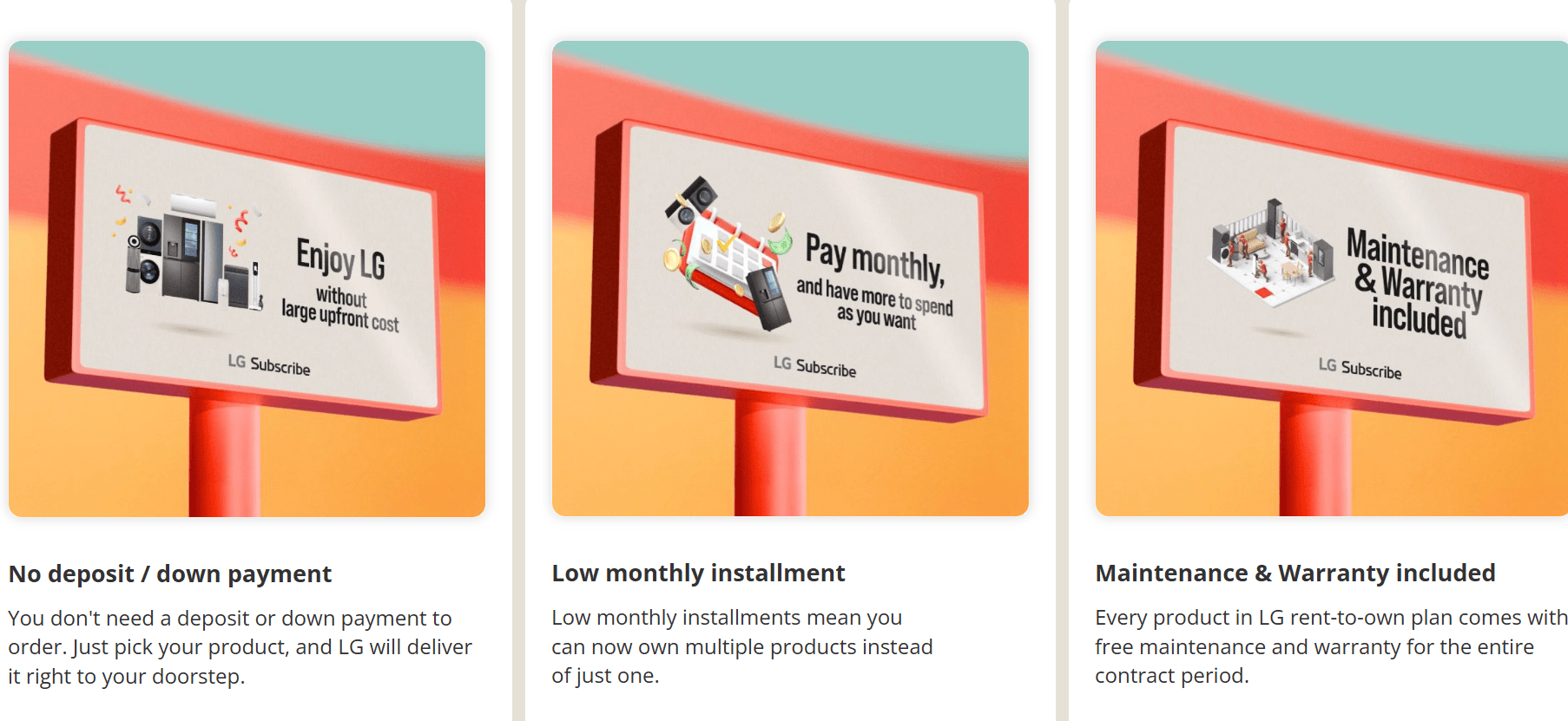
At the end of the term, customers can return, upgrade, continue leasing, or buy outright, keeping the relationship — and future spend — locked inside LG’s ecosystem, not the retailer’s.
Retailers Lose Control as LG Shifts Strategy
This move comes as LG retreats from the premium 8K TV segment, effectively conceding that category to Samsung, while simultaneously losing OLED share in key markets.
Facing intense pressure from aggressive low-cost Chinese brands like TCL and Hisense, LG is no longer fighting on retail shelves alone. Instead, it is changing the battlefield entirely.
Subscription selling allows LG to:
Avoid price wars in-store
Neutralise retailer discounting
Lock in recurring revenue
Control customer data
Monetise upgrades without retailer involvement
In short, LG keeps the customer — retailers keep the risk.
The UK Is the Blueprint — Australia Could Be Next
LG has already rolled out this model in the UK in partnership with subscription finance group Raylo, offering “lower monthly prices and the flexibility to upgrade as new technology arrives.”
Consumers can rent LG TVs and soundbars month-to-month, then upgrade at contract end — a proposition retailers simply cannot match at the point of sale.
Raylo, which also works with Dyson, Sony PlayStation and Apple, handles all financial qualification while LG supplies the hardware. The model is scalable, capital-light, and brutally effective.
Although Raylo currently has no Australian presence, the company recently raised A$60 million with LG to expand into new markets, with the USA launching first and Australia firmly on the roadmap.
The Numbers Retailers Can’t Ignore
LG’s subscription business is no side project.
A$694 million in subscription revenue in a single quarter
A$1.89 billion year-to-date last year
Annual growth rates exceeding 30%
A stated goal of A$6 billion+ by 2030
In Asia-Pacific markets including Malaysia, Thailand, Singapore and Vietnam, LG is already exceeding 10,000 subscription sales per month — volumes that once belonged to retailers.
And critically, subscription sales are outperforming traditional retail channels in both growth and profitability.
The Retail Fallout Has Already Started
In some overseas markets, retailer resistance to LG’s direct subscription push has already led to store sales falling.
Where retailers have pushed back, LG’s subscription business has continued to grow — while store sales have slowed.
The uncomfortable truth: LG no longer needs retailers the way retailers need LG.
As margins collapse under Chinese competition and foot traffic declines, LG’s pivot raises a dangerous question for Australian retailers:
What happens when the brand owns the customer, the pricing, the upgrade cycle — and the sale never enters the store?
A Warning Shot Across Retail’s Bow
An industry insider summed it up bluntly “Demand is rapidly shifting away from small and medium rental brands — and increasingly away from traditional retailers altogether.”
For Australian electronics retailers, LG’s subscription strategy isn’t innovation — it’s disintermediation.
And if this model lands locally, it won’t just pressure sales.
It will rewrite who controls the future of consumer electronics in Australia with other appliance and TV brands moving to follow LG’s lead.