LG’s Dodgy Smart TV Confidential Data Harvesting Still Happening Despite US Legal Settlement
 David Richards
19 May 2026
David Richards
19 May 2026
LG Electronics Australia is refusing to say whether it will follow the lead of its US subsidiary and directly warn Australian consumers that its smart TVs and connected appliances are openly harvesting sensitive household viewing and usage data and selling that information to third-party businesses.
The silence comes despite mounting international scrutiny over LG’s data collection practices which are carried out in Australia earning the Company millions, and a major legal settlement in the United States involving allegations that the company secretly tracked what consumers watched inside their homes.
Privacy experts warn that even if consumers are given the option to “opt out”, LG’s WebOS software platform may still be capable of collecting significant amounts of telemetry and behavioural data from televisions and connected devices.
The controversy has intensified after LG Electronics USA agreed this month to settle a lawsuit brought by the Texas Attorney General alleging the company collected detailed viewing information from smart TV owners without properly informed consent before monetising that data through advertising and analytics networks.
According to the legal action, LG’s technology allegedly captured viewing habits, app usage and data linked to devices connected to the television, including mobile phones attached to LG TVs.
The company was also accused of tracking users through Wi-Fi enabled household appliances connected via LG apps.
Faced with shrinking hardware margins, LG has aggressively expanded its “non-hardware” business models by surreptitiously leveraging its webOS software platform, which now runs on roughly 260 million devices globally.
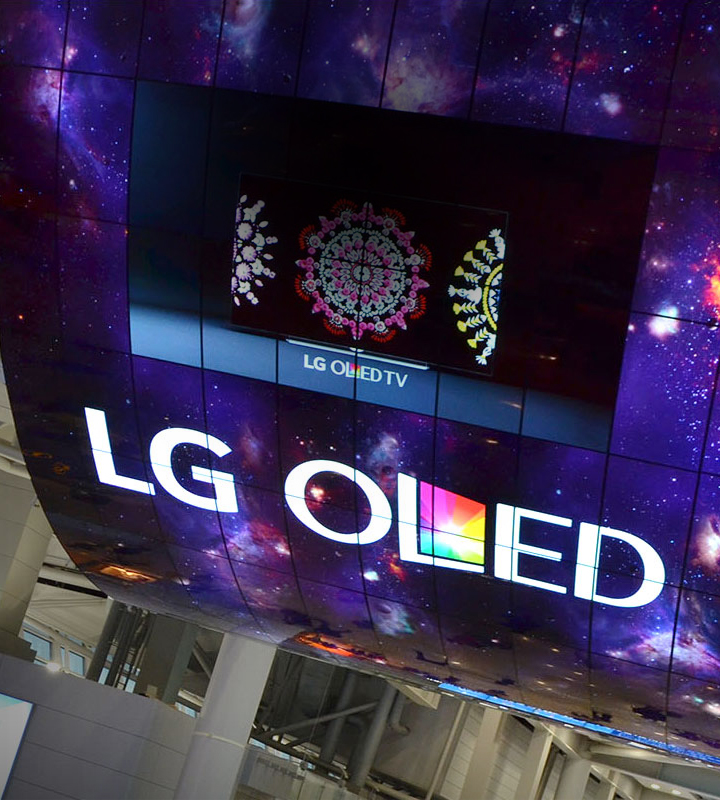
LG generates revenue in Australia and overseas by capturing Automatic Content Recognition (ACR) data from tens of millions of opted-in Smart TVs (tracking what users watch across linear TV, streaming apps, and gaming consoles) and selling targeted ad placements on the webOS Home Screen and via its free ad-supported streaming platform, LG Channels.
Under the Texas settlement, LG Electronics USA is now required to obtain clear consumer consent before collecting viewing data through Automated Content Recognition (ACR) technology, software capable of identifying virtually everything displayed on a screen in real time.
The agreement also forces LG to provide consumers with a clear opt-out mechanism and prohibits the transfer of viewing data to entities linked to the Chinese Communist Party.
Texas Attorney General Ken Paxton said the action was necessary to stop what he described as unlawful surveillance occurring inside consumers’ homes.
“LG has now taken important steps to ensure that users’ viewing data will not be collected without their informed consent and that consumers maintain their fundamental right to privacy in their own homes,” Paxton said.
“No electronics company should be collecting consumers’ data and exposing Texans to potential surveillance by the Chinese government.”
Australian Consumers Left In The Dark
Despite the explosive US settlement, Australian regulators have yet to publicly move against LG Electronics Australia, even as concerns grow over how much data may be collected from televisions and connected appliances sold locally.
For more than two years ChannelNews has reported on concerns surrounding LG’s data collection practices, including claims that viewing habits, app activity and user behaviour may be monetised through third-party advertising ecosystems.
Our reporting on the issue triggered a hostile response from LG management, in particular their Marketing Manager Gemma Lemieuxwith sources alleging the company and its PR agency LG One, a dedicated division operating within advertising giant WPP, moved to block and isolate ChannelNews after its investigations into the company’s practices.
Critics claim LG’s data collection ecosystem operates largely without the knowledge of ordinary consumers who purchase televisions believing they are buying a standalone entertainment device, not a sophisticated surveillance and advertising platform.
Experts Warn “Opt Out” May Not Stop Tracking
Privacy and technology analysts warn the measures introduced in the United States may still leave significant loopholes.
According to experts familiar with WebOS architecture, LG televisions often run multiple independent tracking systems simultaneously, meaning consumers disabling one form of monitoring may still unknowingly permit other forms of data collection.
These systems can include:
ACR / viewing recognition tracking, advertising personalisation systems, voice assistant telemetry, system diagnostics and crash reporting, app usage analytics, and content recommendation engines.
Experts say the central issue is the distinction between “essential telemetry” and advertising or behavioural profiling data.
While users may be allowed to disable targeted advertising features, televisions may still continue transmitting device telemetry, usage statistics and viewing-related behavioural information back to LG servers.
Privacy researchers argue many consumers incorrectly believe they are disabling all tracking when, in reality, only limited advertising functions are switched off.
The concern is particularly acute given that WebOS software is installed on every LG television sold in Australia and is also licensed to other television brands sold through major retailers.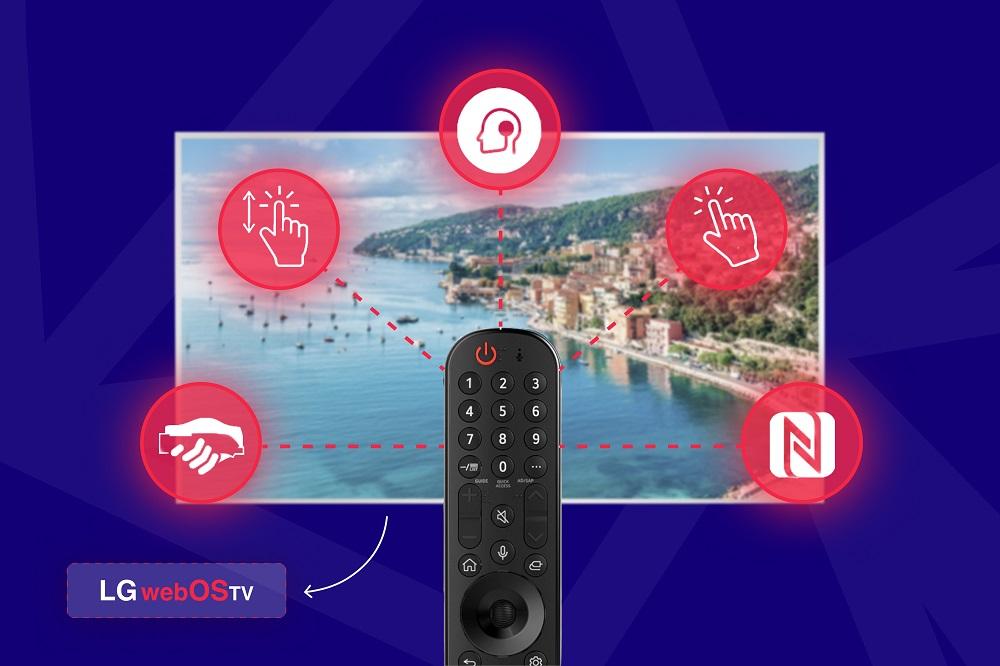
Questions Remain Over Enforcement
Serious questions also remain over how regulators can independently verify whether LG is fully complying with consumer consent requirements while continuing to deploy highly sophisticated software capable of collecting large volumes of behavioural data in the background.
Critics argue governments and regulators face a growing challenge policing smart device manufacturers whose business models increasingly depend not only on hardware sales, but on monetising user behaviour and household data.
The broader fear among privacy advocates is that televisions, once passive entertainment devices, are rapidly evolving into always-connected surveillance platforms embedded inside consumers’ homes, often with only vague disclosures and confusing consent systems standing between users and large-scale commercial data harvesting.