LG Delivers Shock Profit Slump As Regulators Move In On Their Questionable Data Capture Business
 David Richards
11 Jan 2026

LG Electronics’ Australian operation has declined to disclose the extent of the downturn in its local television business, following comments from its South Korean parent at CES that weak consumer demand—particularly for TVs—was a major factor behind an expected quarterly loss.
The company is reportedly set to post a loss of approximately A$169 million for the most recent quarter, traditionally one of the strongest periods for consumer electronics manufacturers. LG has been steadily losing ground to arch rival Samsung in the OLED TV segment and continues to struggle to remain competitive in the LED market.
While LG faces mounting pressure, Samsung Electronics is moving in the opposite direction. The company expects its fourth-quarter operating profit to have nearly tripled to a record A$20.64 billion, buoyed by strong product demand and a booming semiconductor division driven by surging AI-related memory requirements.
LG attributed its own profit decline to “a slower-than-expected recovery in display-related demand and intensifying competition, which led to higher marketing expenditures.”
At CES, it became increasingly clear that LG faces further challenges in 2026 as Chinese manufacturers aggressively enter the premium TV space. New RGB LED televisions from Chinese brands threaten both LG and Samsung, with LG sourcing their LED TVs from rival TCL—an uncomfortable dependency that could further compress margins.
LG has increasingly positioned its future around non-hardware businesses, including appliance subscriptions, direct-to-consumer sales, and digital platforms that compete directly with traditional retailers, particularly in Australia.
However, growing scrutiny surrounds LG’s data practices. Of increasing concern is the company’s monetisation of consumer data collected from televisions and home appliances—data derived from people’s daily viewing habits and personal home environments.
At CES, LG announced upgrades to its WebOS platform and expanded use of Automatic Content Recognition (ACR) technology. This content-fingerprinting software identifies what consumers are watching—and in some cases doing—inside their homes, often without explicit consumer awareness.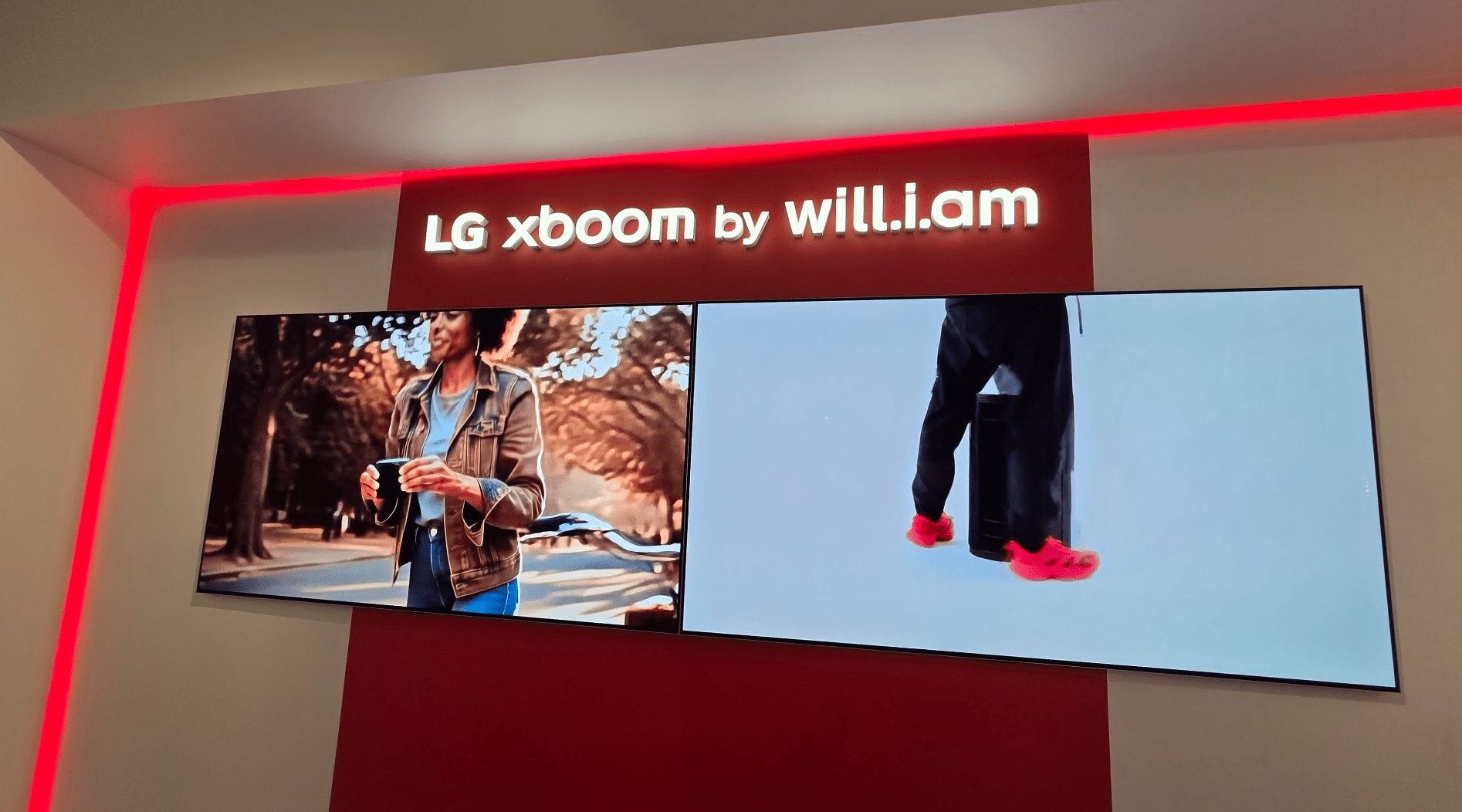
Audio and visual samples captured from displays are transmitted back to LG, aggregated, and sold to third parties, generating hundreds of millions of dollars in revenue.
New CEO Lyu Jae-chul said at CES that LG plans to increase investment in growth businesses, using part of the US$1.3 billion raised from the October IPO of its Indian subsidiary to expand software services, subscription rentals, and data-driven platforms.
But that strategy may now be facing a reckoning.
Following CES, consumer groups and regulators in multiple regions—including Australia and parts of Europe—signaled they are reviewing the legality and transparency of embedded ACR technologies. Privacy advocates have called for stricter disclosure rules and opt-in requirements, while lawmakers are openly questioning whether current data practices violate consumer protection laws.
If regulatory intervention accelerates, LG may be forced to unwind or significantly alter one of its fastest-growing revenue streams—placing additional strain on a business already under pressure from declining hardware sales.
Shares in LG Electronics are down 2% so far this year, after gaining 10% in 2025, and are now lagging the benchmark Kospi index, which has risen more than 8% in 2026 after surging 76% last year. With competition intensifying and regulators circling, LG’s next chapter may depend less on innovation—and more on how it responds to mounting scrutiny.