As LG Wobbles Samsung Profits Surge, As Company Warns Of CE Price Problems Ahead
 David Richards
11 Jan 2026
David Richards
11 Jan 2026

As LG Electronics struggles, Samsung is surging ahead, reporting a tripling of profits to a record A$20.64 billion for the most recent quarter, driven by strong demand for smartphones, semiconductors and memory. In contrast, LG posted losses over the same period.
A key contributor to Samsung’s performance has been its aggressive expansion of artificial intelligence across its product portfolio. While LG continues to invest in what it calls “Affectionate AI,” Samsung has spent the past 12 months rolling out AI capabilities across a wide range of consumer electronics, many of which were showcased at CES.
The world’s largest memory-chip maker has also benefited from a sharp rise in semiconductor prices over the past year as global AI adoption accelerates.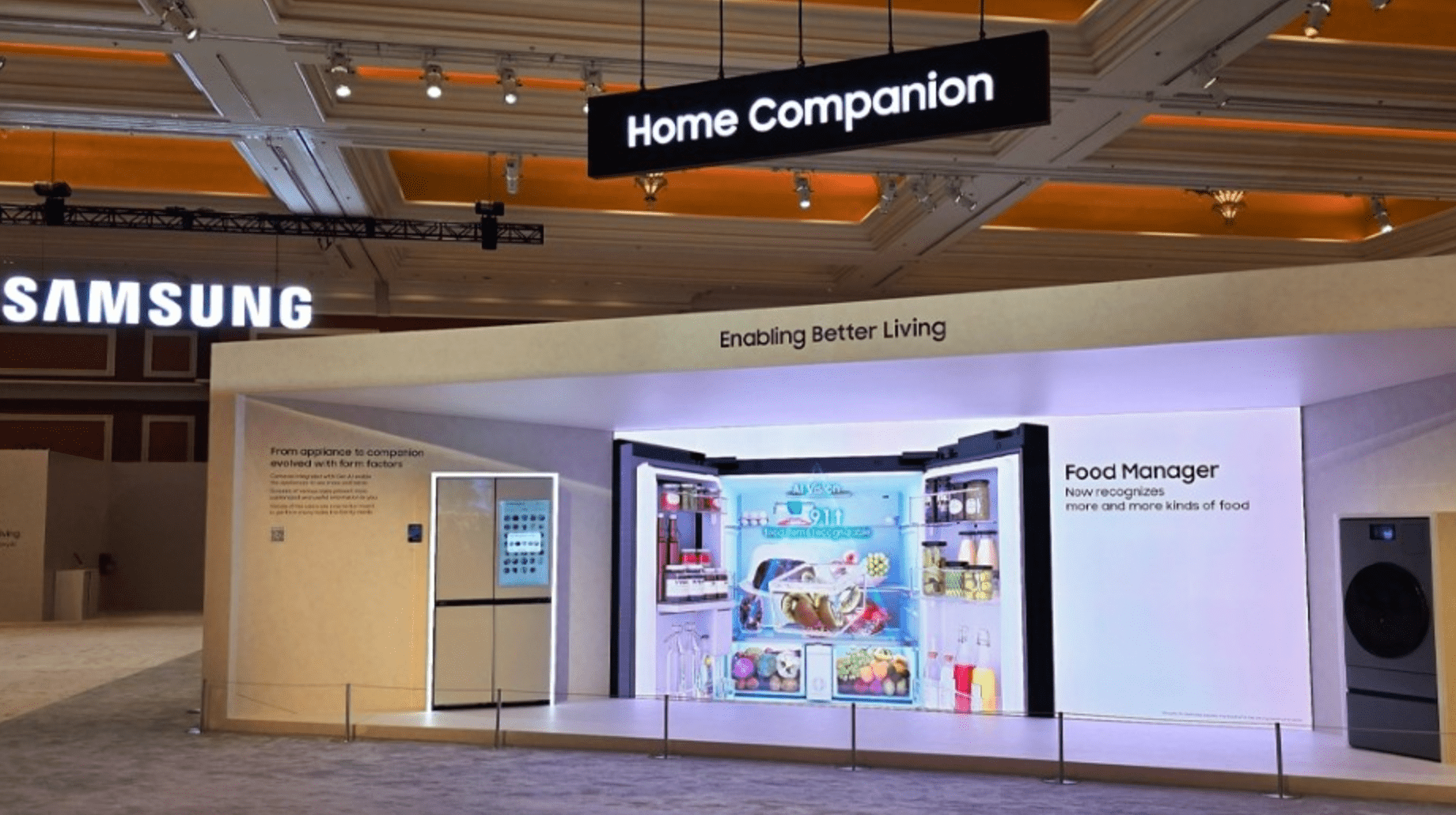
For 2025, Samsung said revenue likely rose 11% to 332.77 trillion won, while operating profit is projected to have jumped 33% to 43.53 trillion won. Operating profit for the fourth quarter of 2025 alone is expected to be up 208% year-on-year.
Management estimates revenue for the quarter increased 23% to a record 93 trillion won. For the full year 2025, operating profit is forecast to reach A$3.64 billion, with total revenue hitting A$342.7 billion.
Despite these record results, analysts remain highly optimistic. Some forecasts suggest Samsung’s full-year profit in 2026 could exceed US$69 billion, driven by sustained demand for AI infrastructure and tight memory supply.
While the semiconductor division continues to thrive, Samsung’s smartphone and home appliance businesses face pressure from rising component costs, which could eventually translate into higher prices for consumers.
Samsung shares initially rose on the news before falling 1.6% on profit-taking, snapping a seven-session rally. Even so, the stock remains up 16% in 2026, following a 125% surge last year, supported by expectations of continued strength in memory pricing.
In Australia, Samsung is still undergoing restructuring, with increased investment in its B2B strategy and the expansion of its own retail and online stores.
At CES, Samsung executives warned that the consumer electronics industry could soon face mounting pressure as rising memory prices begin to affect multiple product categories. Company president Wonjin Lee said consumer electronics prices are already increasing and cautioned that “there’s going to be issues around semiconductor supplies.”
Counterpoint Research forecasts a 40% rise in prices for DDR5 — the latest generation of conventional DRAM used in computers and servers — in the current quarter compared with the previous three months, followed by a further 20% increase in the second quarter.
Samsung’s preliminary operating-profit margin of 21.5% in the fourth quarter of 2025 suggests it is well positioned to benefit from strong demand for conventional DRAM, high-bandwidth memory (HBM) and NAND chips. The company also retains a pricing advantage over rivals in TVs, smartphones and appliances by manufacturing its own processors.
Analysts expect semiconductor prices to remain supported by robust demand for AI accelerators used in training and inference, as well as ongoing shortages of general-purpose chips used in data servers, smartphones and other electronic devices.
“Samsung will likely be the biggest beneficiary of high conventional memory prices as the global market leader within the memory industry,” S&P Global Ratings said in a recent report. “The company’s profitability should improve as conventional memory prices remain high amid tight supply conditions.”
Samsung is scheduled to release its full quarterly results, including a detailed earnings breakdown by business segment, later this month.