Lenovo Warns High RAM Prices Could Be Here To Stay
 April Ossington
01 Jul 2026
April Ossington
01 Jul 2026

Anyone planning to build a new PC or upgrade an existing system may need to prepare for higher memory costs for years to come, with Lenovo warning that today’s elevated RAM prices could become the industry’s long-term reality.
Speaking during a presentation at ISC 2026, the technology company said the rapid growth of artificial intelligence infrastructure is placing sustained pressure on the global memory supply chain, making a return to the bargain prices seen in recent years increasingly unlikely.
According to Lenovo, the surge in AI data centres is consuming vast quantities of memory chips, driving up demand for both RAM and solid-state drives (SSDs). While manufacturers including Samsung and SK Hynix are expanding production capacity, Lenovo believes this additional output will largely be absorbed by continued investment in AI systems rather than leading to lower prices for consumers.
The company predicts memory prices may not begin to settle until around 2030, and even then they are expected to remain well above the unusually low levels seen during 2024 and 2025.
The forecast could have significant implications for Australian consumers, particularly gamers, PC enthusiasts and content creators who regularly upgrade their systems. Higher memory prices may also affect the cost of new desktop and laptop computers as manufacturers pass on increased component costs.
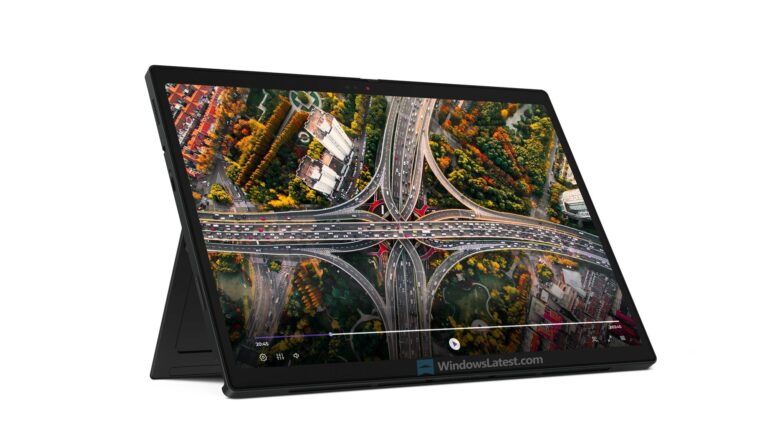
Lenovo ThinkPad X13, Image: Windows Latest
Lenovo is advising buyers to think carefully about how much memory they actually require instead of automatically choosing higher-capacity configurations.
For many gamers, 16GB of RAM remains sufficient for playing most modern titles, provided unnecessary background applications are kept to a minimum. In recent years, 32GB became a popular recommendation largely because memory prices were relatively inexpensive, making the upgrade easier to justify.
However, users who regularly edit video, stream gameplay, work with large creative applications or multitask extensively are still likely to benefit from 32GB or more.
The warning also highlights the growing influence of artificial intelligence on the broader technology market. As AI servers continue to compete for the same memory components used in consumer devices, Australians purchasing new computers or planning future upgrades may need to budget more for RAM than they have in the past.