JBL Boombox 4’s AI Audio and Replaceable Battery Set New Portable Speaker Standard
 Isabella Alexiou
11 Sep 2025
Isabella Alexiou
11 Sep 2025

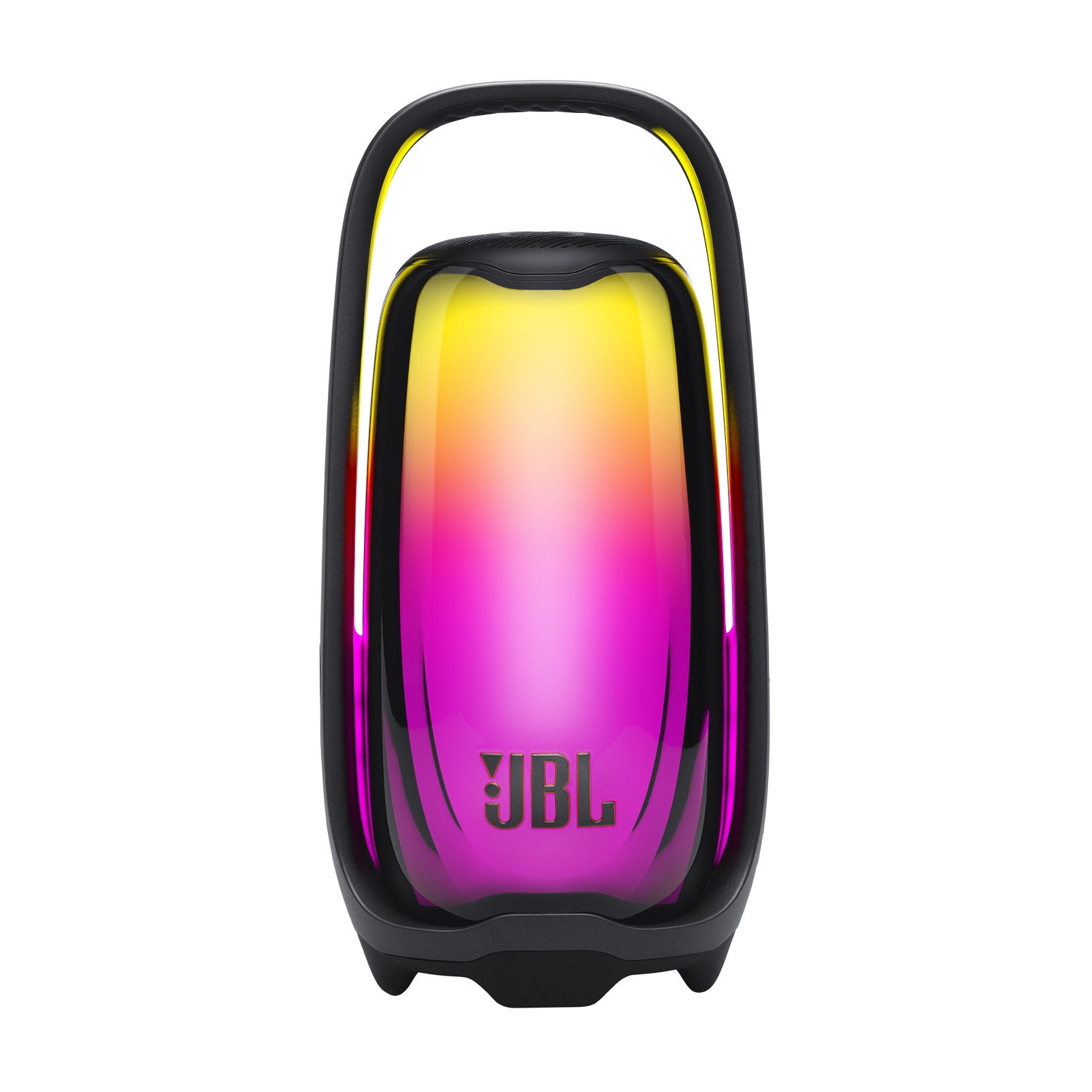
The JBL Boombox 4 distinguishes itself through AI Sound Boost technology, 50% more battery-mode power output, and a user-replaceable battery, features that elevate it beyond typical portable speaker upgrades while addressing the Boombox 3’s limitations.
Priced at $825 (USD $549.95), the Boombox 4 represents a significant investment, but JBL has packed enough innovations to justify the premium over the Boombox 3’s current $600 (USD $399.95) price point.
The standout feature is AI Sound Boost, which analyses music in real-time to optimise audio output, reduce distortion, and manage power delivery dynamically.
The system automatically adapts to different genres, maintaining clarity whether playing electronic beats or acoustic sets, particularly impressive at high volumes where most portable speakers struggle.
This intelligent processing allows JBL to push the drivers harder without sacrificing precision, delivering festival-grade sound that remains controlled.
The technology represents a meaningful advancement over simple EQ presets, actively preventing the muddy sound that often plagues portable speakers at maximum volume.
The Boombox 4 delivers 50% more output in battery mode compared to its predecessor, with 2 x 60W RMS from woofers and 2 x 40W RMS from tweeters.
A third passive radiator and upgraded mid-range drivers enhance the soundstage, creating fuller, more balanced audio across all frequencies.
Despite the power increase, JBL reduced the weight by nearly 1kg to 5.9kg (13 lbs), 12% lighter than the Boombox 3.
The refined handle design improves grip and stability, making the speaker genuinely portable for its size class.
The user-replaceable battery sets the Boombox 4 apart from competitors.
Available separately, the battery swaps in three steps, extending the speaker’s lifespan without requiring complete replacement, a rare sustainability feature in portable audio.

USB-C lossless audio playback bypasses Bluetooth compression, delivering uncompressed sound from laptops or phones.
This feature, uncommon in portable speakers, appeals to audiophiles who typically avoid Bluetooth speakers due to quality concerns.
Auracast support enables seamless multi-speaker setups without complex app pairing, allowing users to create stereo pairs or expand coverage across large spaces.
The IP68 rating improves on the Boombox 3’s IP67, offering better dust protection and water submersion resistance.
The Boombox 4 runs up to 28 hours per charge, extending to 34 hours with Playtime Boost enabled.
Three-hour charging time is reasonable for the capacity, and the speaker doubles as a power bank for charging devices, practical for outdoor events.
At $825, the Boombox 4 competes with premium portable speakers like the Ultimate Ears Hyperboom ($599) and Soundboks Go ($999).
The AI processing and replaceable battery differentiate it from cheaper alternatives, while the lossless audio option appeals to a quality-conscious segment typically avoiding Bluetooth speakers.
Available in Black, Blue, and Squad camouflage finishes, pre-orders are live with general availability from September 28, 2025.
The Boombox 4 succeeds by addressing real user needs rather than iterating superficially.
AI Sound Boost genuinely improves audio quality at high volumes, the replaceable battery adds long-term value, and the weight reduction enhances portability without sacrificing power.
For users seeking portable party audio that doesn’t compromise on sound quality, the Boombox 4 justifies its premium pricing through meaningful innovations.
The combination of raw power, intelligent processing, and practical features like USB-C audio makes it special in a crowded market of me-too portable speakers.