Indoor Solar Breakthrough Could Power Gadgets Using Household Light
 April Ossington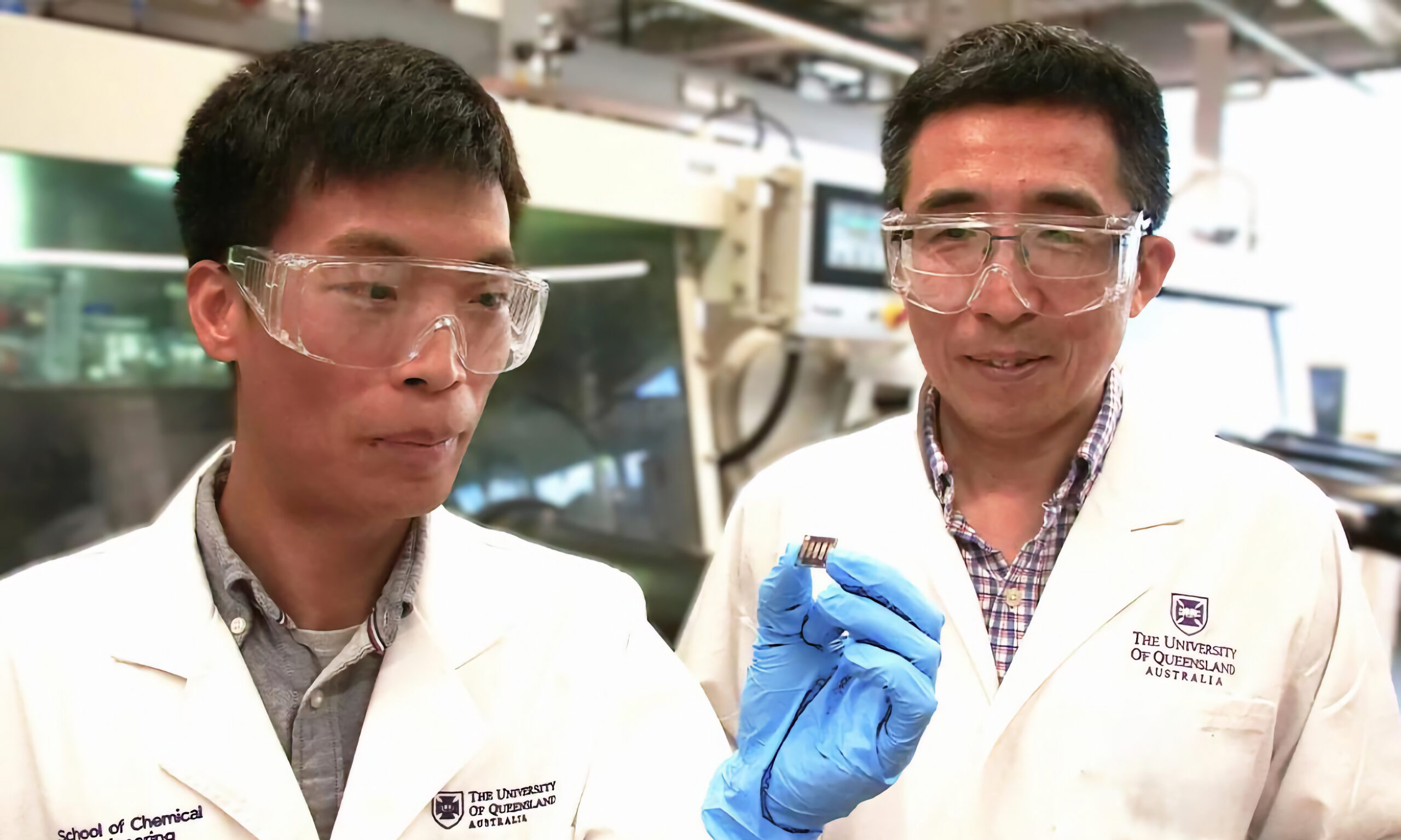
Researchers at the University of Queensland have created a new type of indoor solar panel that could allow small devices to run using nothing more than the light found inside homes and offices.
This is a concept already adopted by Logitech with their solar powered keyboards.
The technology is built around perovskite, a material widely seen as a possible successor to silicon in solar applications. Traditional silicon cells used indoors typically reach about 10 per cent efficiency, but perovskite has shown the potential to outperform that benchmark.
One of the major obstacles has been the reliance on lead and harmful solvents during production, raising concerns about safety and large-scale manufacturing. The Queensland team has addressed this issue by developing a cleaner production method.
The work was led by PhD researcher Zitong Wang, working with Dr Miaoqiang Lyu and Professor Lianzhou Wang. They designed a vapour-based fabrication process that produces high-quality perovskite material without the need for toxic solvents or lead components.
Using this approach, the team achieved a power conversion efficiency of 16.36 per cent under indoor lighting conditions. This result is believed to be the highest recorded for a lead-free perovskite indoor solar cell produced using a method suitable for industry.
The panels are being explored as a replacement for small batteries commonly used in low-power electronics. Devices such as wearable technology, environmental sensors and health monitoring equipment could benefit from a continuous energy source that removes the need for frequent battery changes.

The University of Queensland
Early interest is also emerging from retail environments, where electronic shelf labels are being tested as an alternative to paper pricing. These systems could potentially run on indoor light, reducing maintenance and waste.
Another advantage lies in the design flexibility of the panels. They are thin, lightweight and adaptable in shape, making them easier to integrate into a wide range of products without significant redesign.
Before the technology can be commercialised, researchers need to improve durability by protecting the panels from exposure to moisture and oxygen. Once that step is complete, development is expected to move towards real-world applications.
Dr Lyu indicated that indoor perovskite panels could begin appearing in consumer products within the next few years, pointing to growing momentum behind the technology as industries look for more sustainable energy solutions.