Horror Situation Brewing For Australian CE & Appliance Retailers
 David Richards
03 Aug 2026
David Richards
03 Aug 2026
Australian consumer electronics and appliance retailers are staring down a horror situation, with the world’s biggest memory maker Samsung now forecasting that the global shortage of DRAM and NAND will get worse next year, with prices tipped to keep climbing into 2028.
For local retailers already battling softening demand for smartphones, notebooks and gaming consoles after price rises of more than 30% to 45% in some categories, the message from Samsung’s second-quarter FY2026 earnings call could not be worse: there is no relief coming, and the price rises they are being forced to pass on to consumers are set to accelerate.
Samsung, which holds 41% of the global memory market, delivered the forecast as analysts claimed it now “suits the memory brands to hold prices up”.
Retailers Caught In The AI Squeeze
Both retailers and consumers have become victims of an artificial intelligence boom that is rewriting the rules of the semiconductor world and delivering massive profit-taking for the memory oligopoly.
Samsung management claim that several AI labs have already handed over medium and long-term demand forecasts so the company can lock in capacity, exactly what the big memory makers want as the dollars roll in.
Scarcity is now more profitable than volume, and the margin maths tell the story, with Australian consumers footing the bill.
Samsung, SK Hynix and US-based Micron control well over 90% of the global DRAM market, and after the brutal 2023-24 downturn the big three learned their lesson: every dollar of restraint on capacity is worth multiples in the selling price of memory.
Goldman Sachs predicts Samsung’s average selling price for conventional DRAM will rise 326% year on year in 2026, with NAND up 283%, and further rises of 27% and 33% respectively forecast for 2027.
KB Securities is forecasting Samsung operating profit of A$324.5 billion this year, rising to A$484.3 billion in 2027.
Why Retailers Can’t Expect Relief
The problem for retailers who have no choice but to pass rises on is that the big three have shifted the overwhelming bulk of production toward high-bandwidth memory for AI, which also lets them starve conventional DRAM and NAND supply without being seen to withhold it.
Every wafer moved to HBM4 for Nvidia is a wafer that never reaches the consumer market, and HBM carries far fatter margins.
Demand is locked in anyway. Capacity from major suppliers has been reserved through the end of 2027, and internet giants have signed three to five-year long-term agreements locking in 40% to 50% of wafer capacity.
With hyperscalers pre-paying years ahead, there is zero commercial incentive to add capacity that would soften pricing, and the customers most desperate for supply, including PC and smartphone manufacturers, have already committed at high prices.
New fab capacity from Micron and SK Hynix won’t reach volume production until 2027 at the earliest, and because the industry made little or no capex investment through most of 2024 and early 2025, the supply gap is structural.
Holding prices up costs the memory makers nothing. They physically can’t flood the market even if they wanted to.
SK Hynix has gone as far as calling 2027 the “worst year” of the shortage, which conveniently anchors customer expectations for two more years of elevated pricing.
The Pain Is Already Showing On Shelves
The fallout is already hitting the brands Australian retailers rely on for margin and foot traffic.
Higher memory prices have squeezed margins on Samsung’s own Galaxy phones and TVs, forcing the company to lift retail prices. That has already led to softer demand in those product lines and losses in the DX Division spanning TVs, appliances and smartphones, even as Samsung’s semiconductor division posted record sales and profits in the second quarter, with memory doing most of the heavy lifting.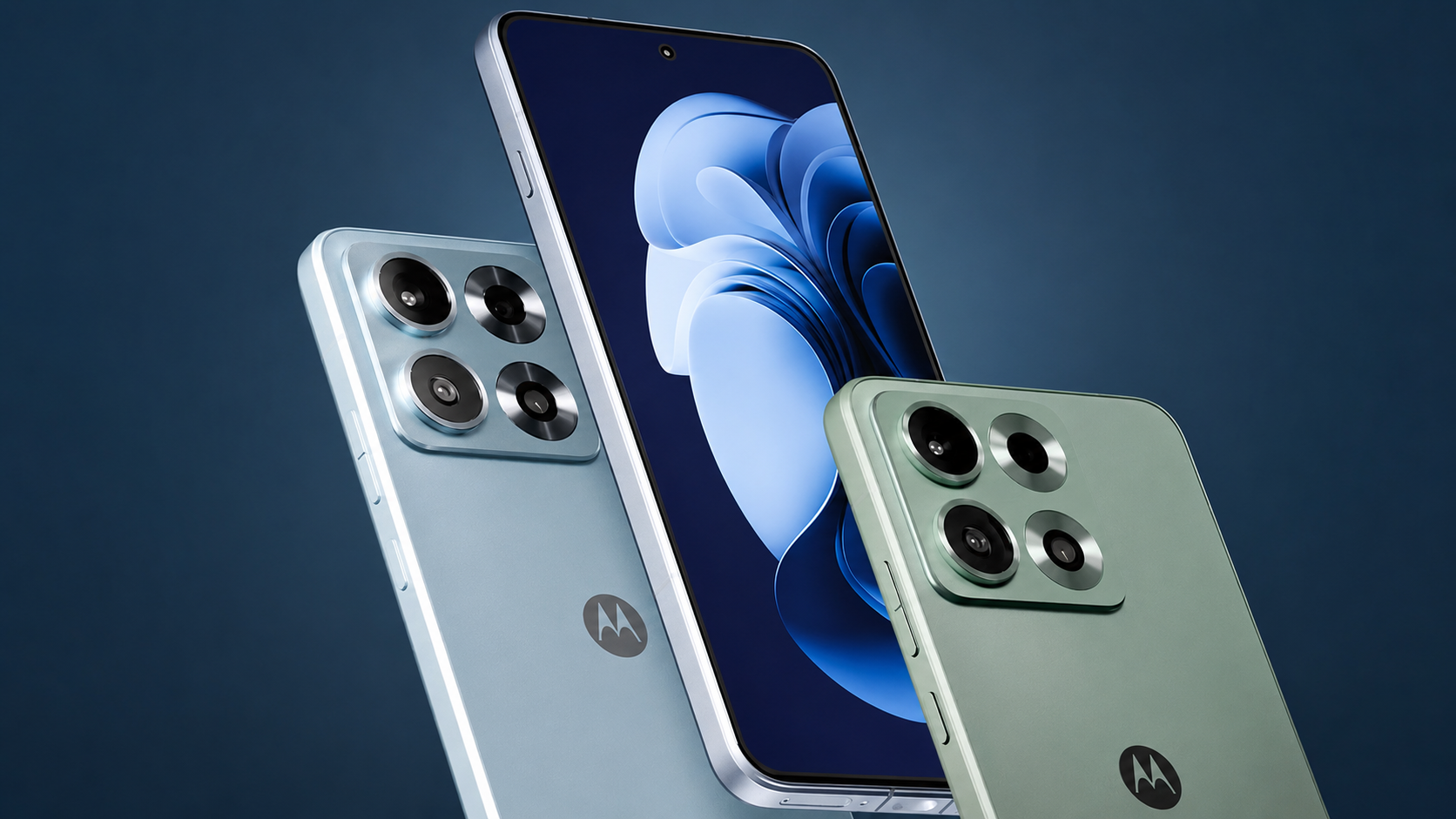
Apple, which hiked prices on several MacBook and iPad models only weeks ago, saw its shares fall nearly 10% over the weekend after its latest earnings report, with analysts pointing to supply constraints, rising memory costs and a tougher margin outlook heading into fiscal 2027.
Nothing was forced to cancel the CMF Phone 3 Pro and relaunch it under the Nothing brand to justify the price.
No End In Sight
Samsung’s forecast makes it clear the tightness isn’t going away soon.
Building new fab capacity takes years, and the rapid growth of agentic AI is expected to keep pushing up token consumption, and with it, memory demand.
By locking in long-term contracts for a big chunk of its output, Samsung is trying to make its own planning more predictable, but for Australian retailers heading into the back half of 2026, the outlook is grim: rising cost prices, softening demand, and a memory oligopoly with every incentive to keep it that way.