Hisense Wants A Slice Of The Audio, Market But Australian Retailers Are Not Buying Into Their Offering YET
 David Richards
18 Sep 2026
David Richards
18 Sep 2026
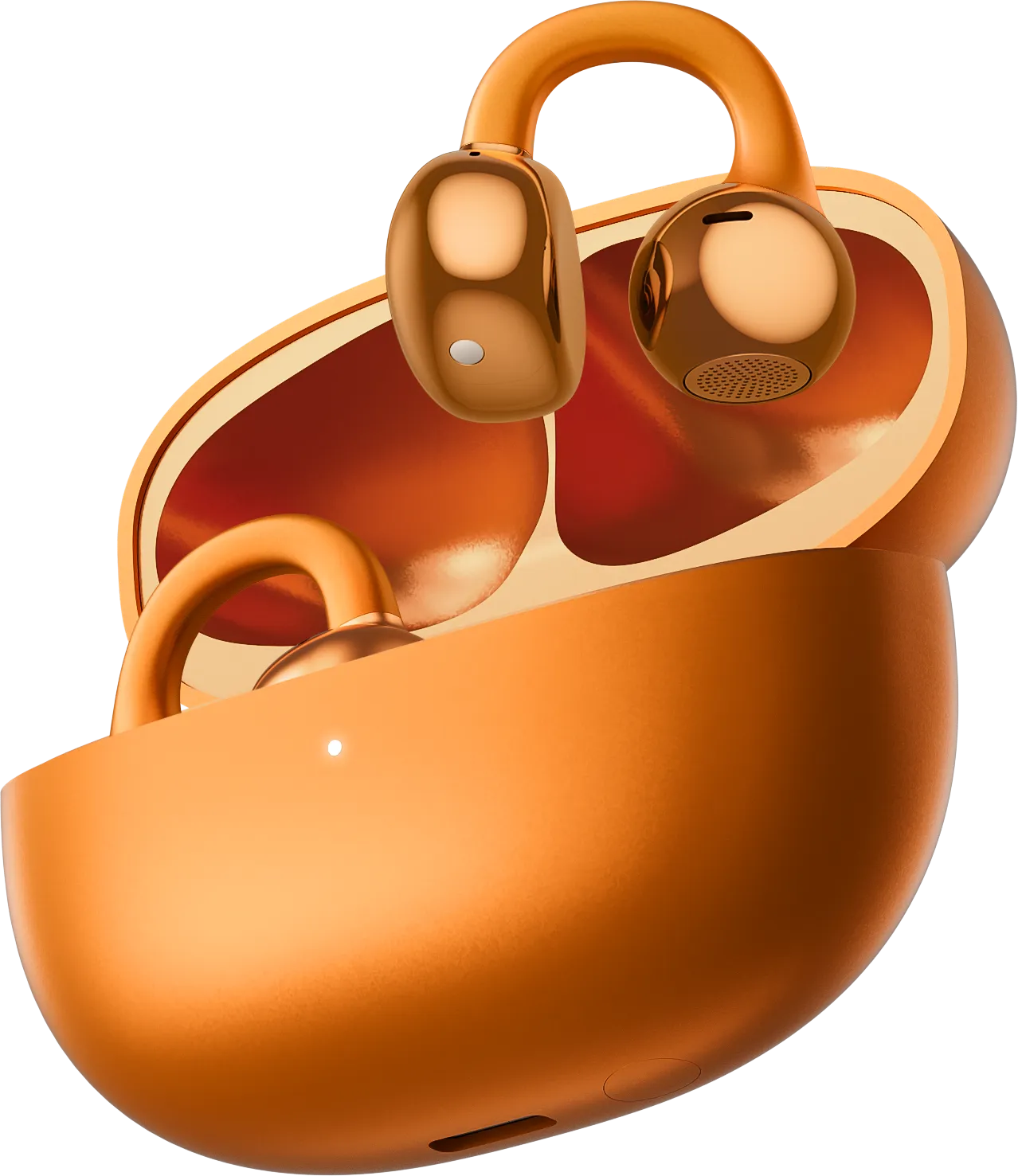
Hisense is making its most aggressive move yet into consumer audio, taking on JBL, Sony, Bose and Marshall with a new range of portable speakers, premium soundbars and earbuds. There is one problem. In Australia, it has not got ranging at key retailers including JB Hi Fi Harvey Norman or The Good Guys which is key.
The Chinese manufacturer, known locally for televisions and refrigerators, is currently selling its$199 Hi Clip earbuds through its own website and Amazon only.
Talks are underway with JB Hi-Fi and other major retailers to secure mainstream ranging, but nothing has landed.
Without shelf space, the push risks stalling before it starts despite the new Hisense buds used by ChannelNews at IFA delivering excellent listening, even in noisy environments.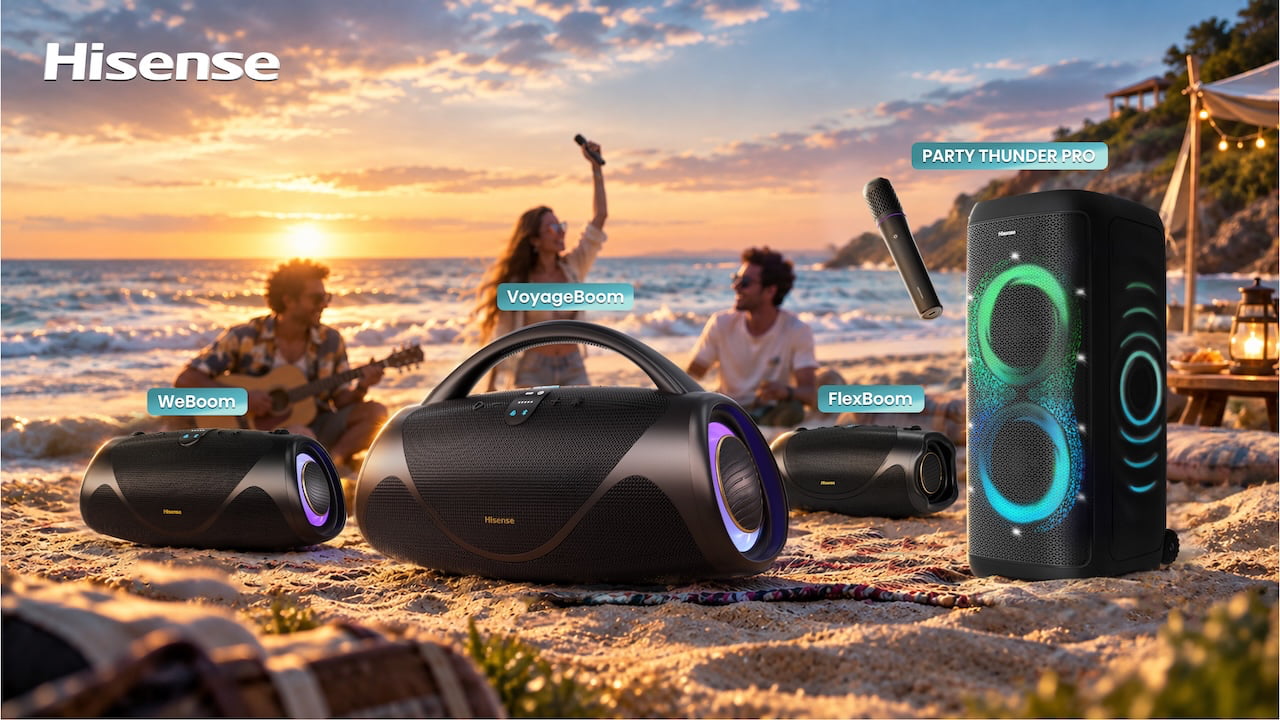
Four speakers, one very crowded market
At CES, ChannelNews spoke to the head of Hisense’s audio business, who said the company is ready to jump into the deep end with four new speakers spanning everything from grab-and-go listening to large outdoor party sound.
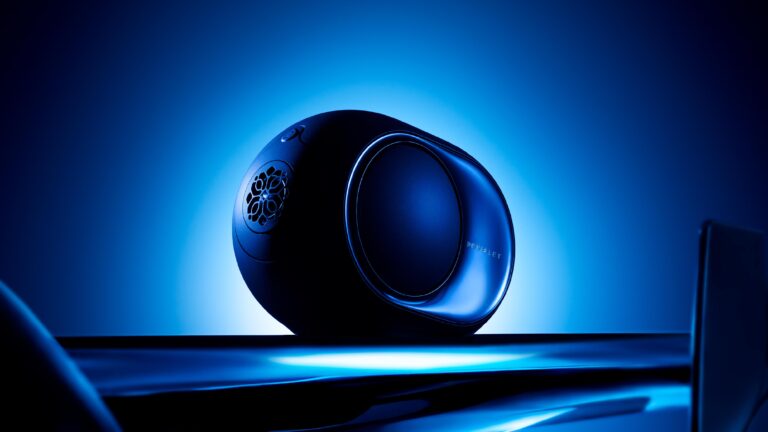
The Boom family covers three portable Bluetooth models: the FlexBoom at 40W, the WeBoom at 70W and the VoyageBoom at 180W when plugged in. Above them sits the Party Thunder Pro, a high output party speaker built for bigger spaces that Hisense management claims is “up there with the Harman JBL offerings”.
That is a bold claim in a category JBL has locked down.
The Samsung owned Harman brand is understood to hold around 79% of the party box market, and the portable Bluetooth segment is already crowded with established rivals including Ultimate Ears and Sony.
The Boom range has already launched in the USA and Europe, where it is explicitly pitched against JBL.
All three portables are IP67 rated for dust and water resistance, claim 20 to 24 hours of battery life, and offer quick charging that delivers two hours of playback from a 10 minute top up.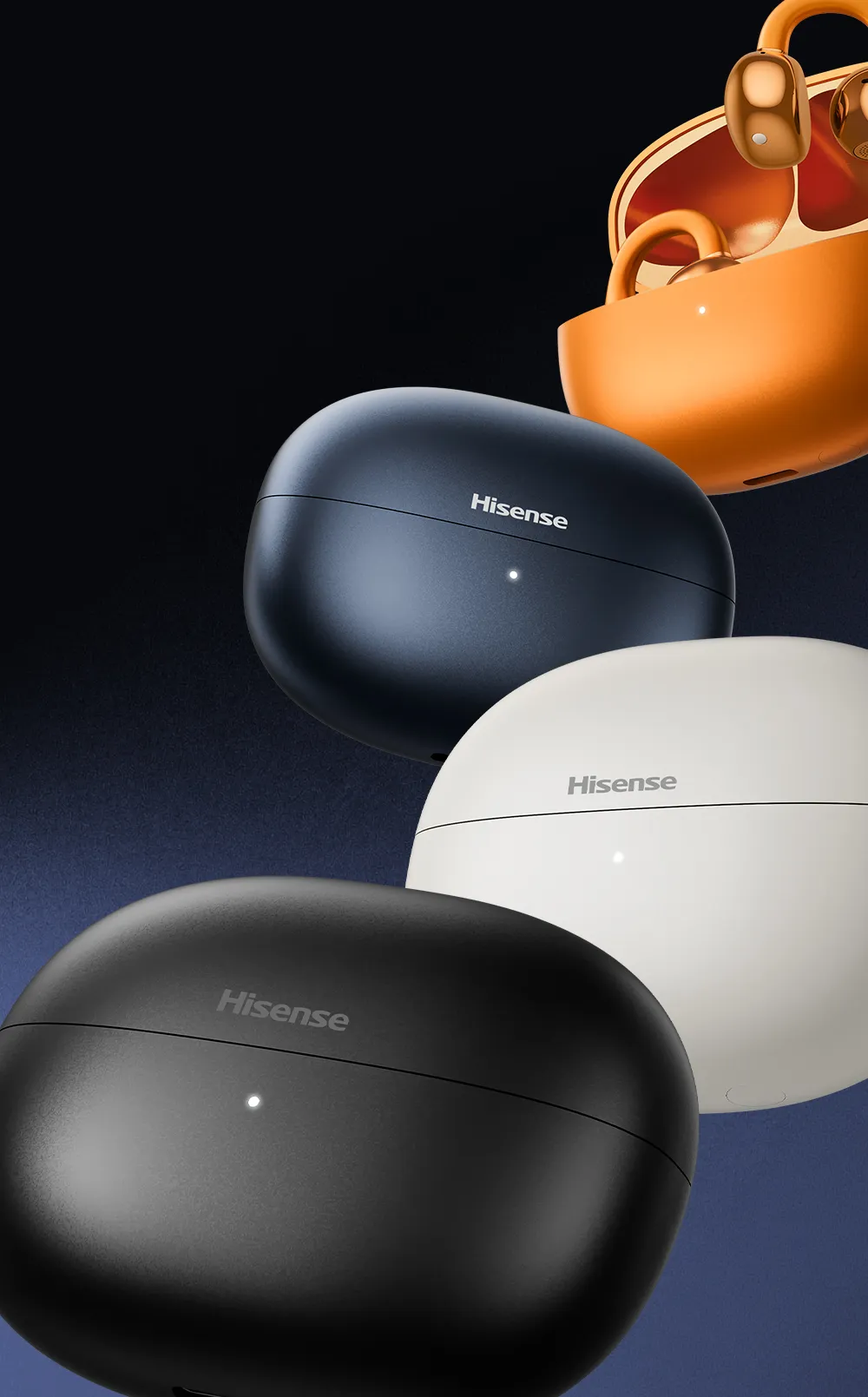
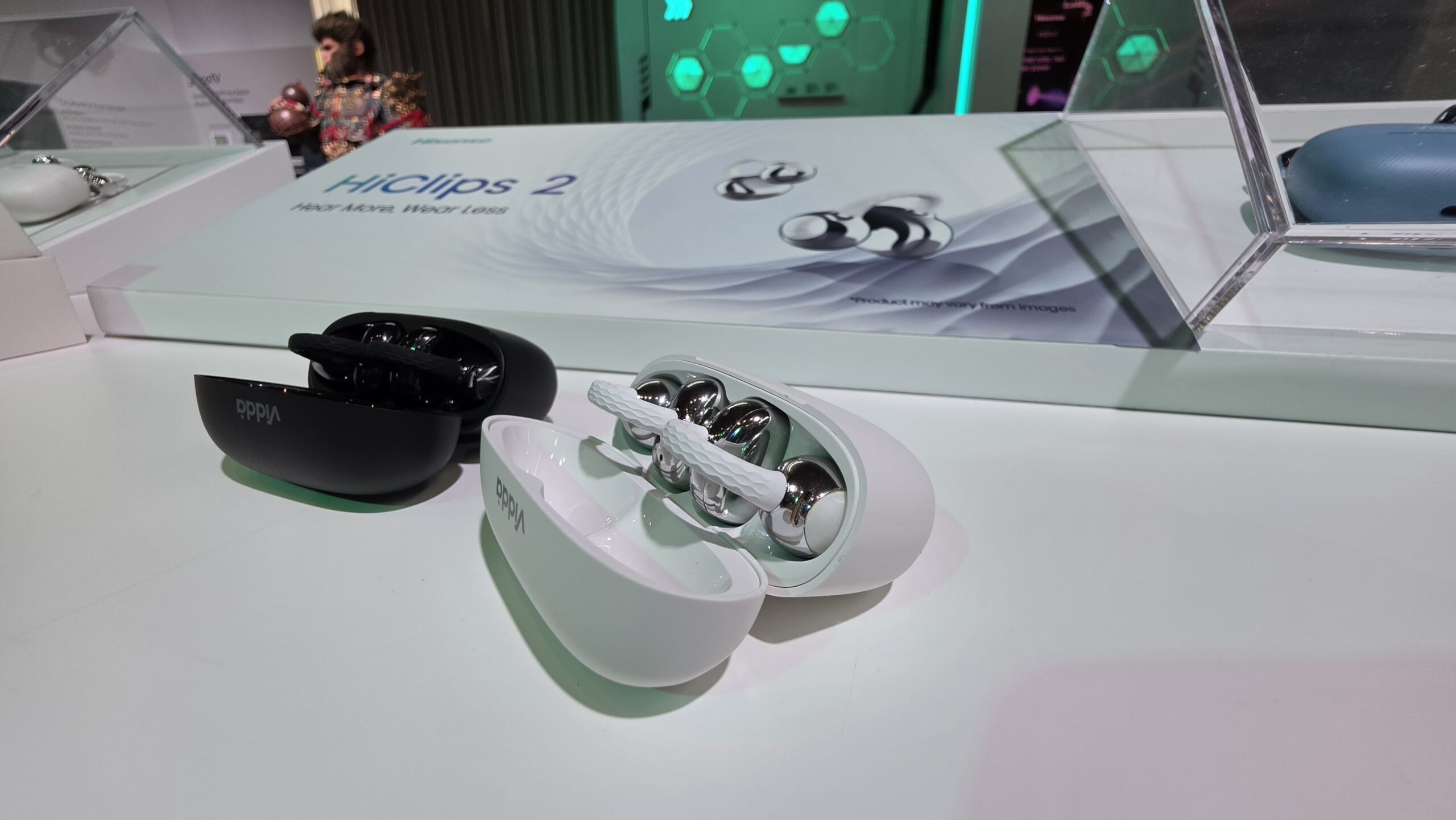
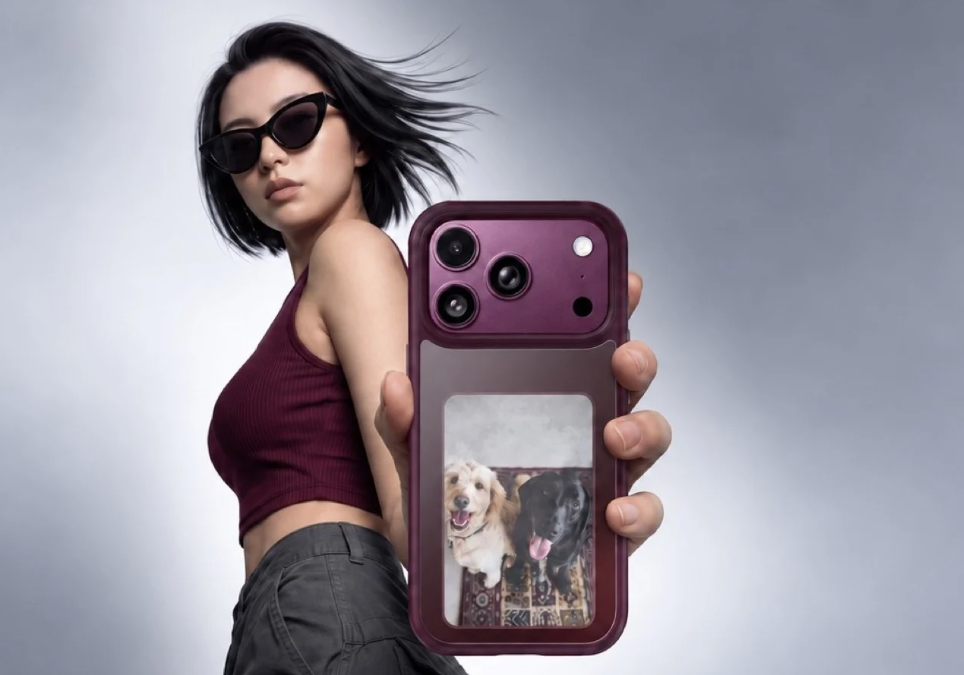
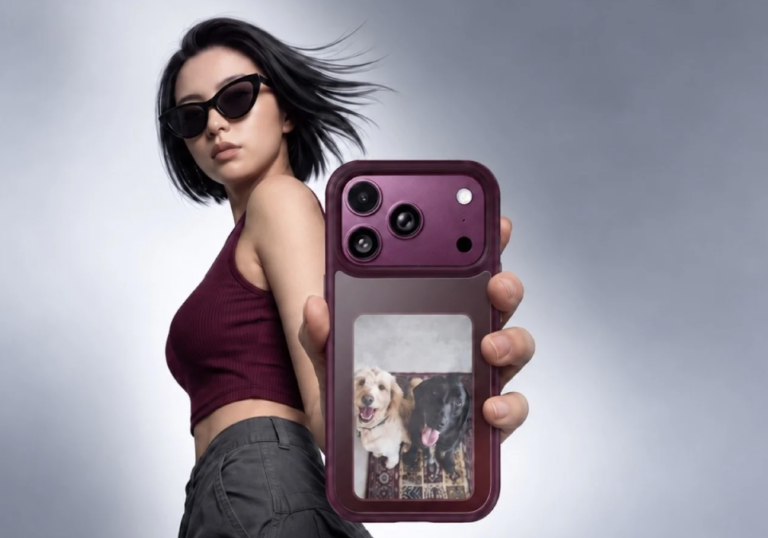
New design that will deliver better flexibility for the Hisense Hi Clip buds.
The speakers support Auracast for broadcasting to multiple units and can be paired for stereo. The WeBoom and VoyageBoom double as power banks and carry app controlled LED lighting, while the VoyageBoom adds microphone and guitar inputs.
Devialet partnership drives the premium play
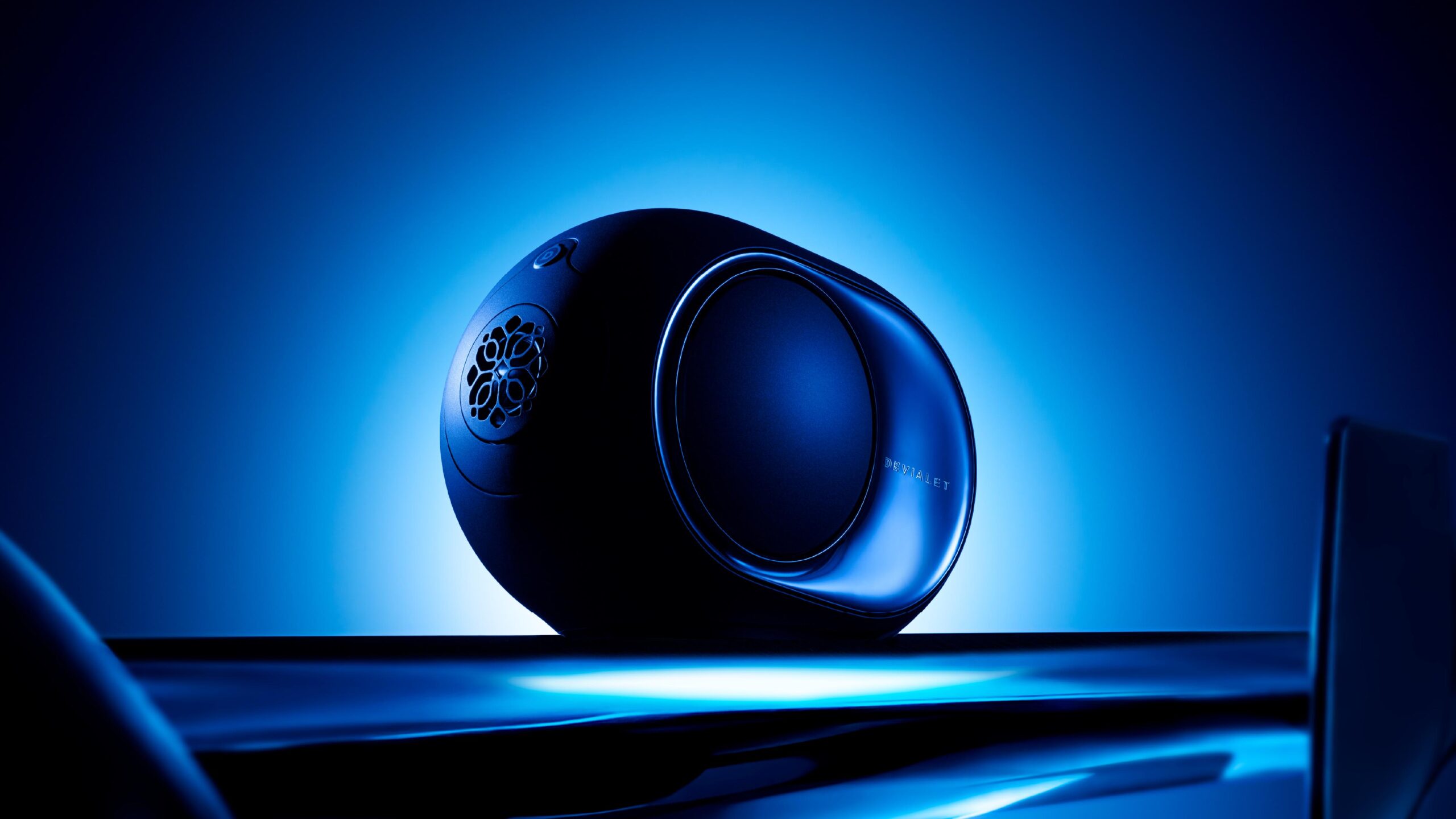
The premium end of the strategy leans heavily on French audio specialist Devialet.
At IFA 2026, Hisense revealed the UX1 soundbar system, positioned as a direct competitor to premium offerings such as the Samsung HW-Q990H and designed to partner its flagship UX series televisions.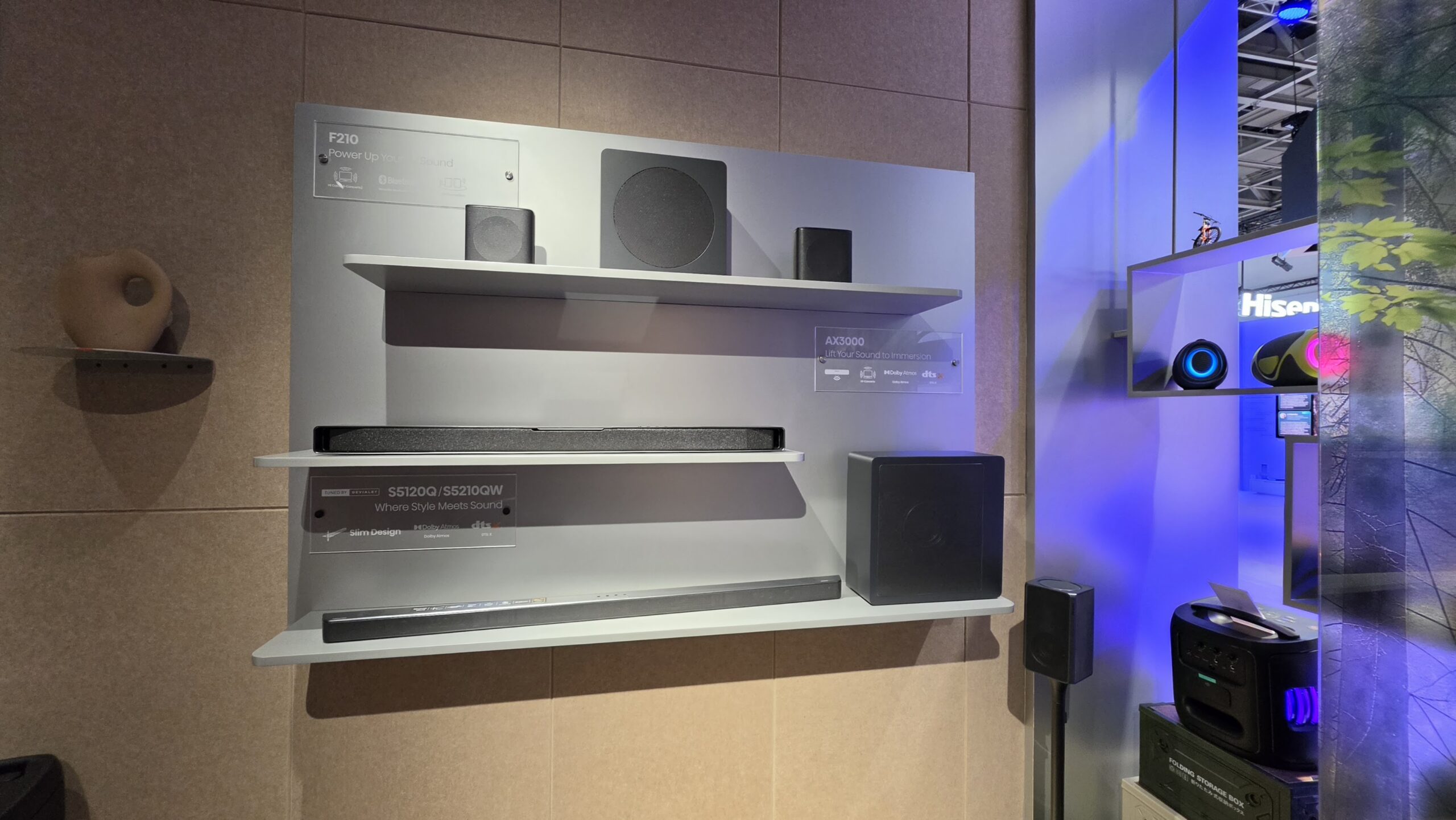
The system runs an 11.2.6 channel configuration with 26 individual drivers across the soundbar, subwoofer and two wireless satellites, and claims a total output of 1840W. The subwoofer uses dual opposing 8 inch woofers to cut distortion, a design that mirrors its main rival, though in a notably larger cabinet.
Sitting below it, the S5120Q is the first Hisense soundbar fully tuned by Devialet, with a 5.1.2 channel layout and 640W of power.
Both models support Hi-Concerto 3.0, which synchronises audio processing between a compatible Hisense television and the soundbar to create a single sound field. Bluetooth 6.0 with Channel Sounding is also on board for precise device positioning.
The Vida question
At IFA, ChannelNews used the new Hisense earbuds, which are set for a major upgrade and a possible rebrand to Vida.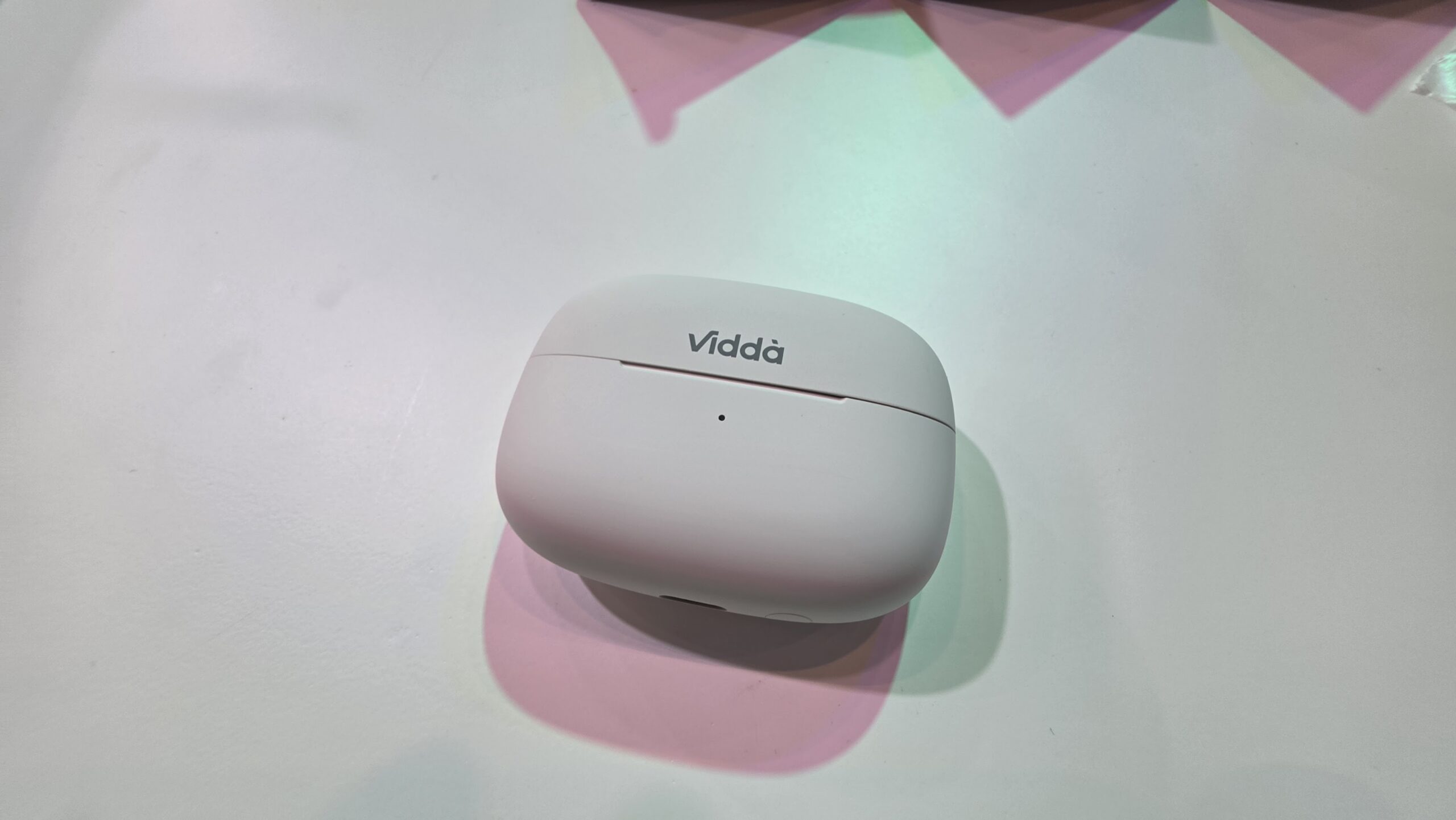
The product itself is excellent. The branding is the harder problem.
Hisense is not known for audio, and the appearance of the Vida name on products at IFA suggests the company knows it. Building a second badge is expensive and slow, and it does nothing to solve the immediate issue of getting product in front of Australian shoppers.
Analysts back the logic
Futuresource Consulting said Hisense has been gaining ground in soundbars through aggressive pricing and bundling with televisions, and is the fastest growing soundbar brand globally over the past five years.
On that read, the move into portable audio and premium home cinema is a logical step towards a complete ecosystem around the core television business.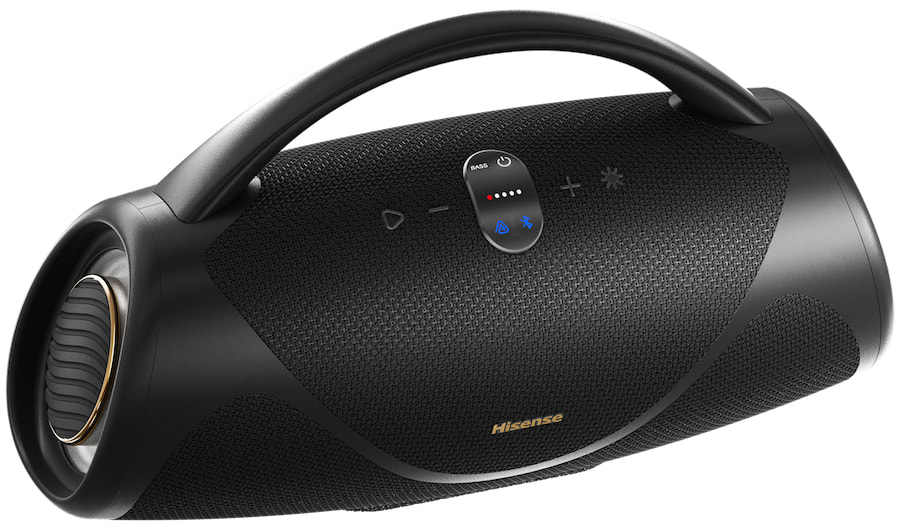
Over the past 12 months the company has expanded well beyond TV companion soundbars into high end home cinema, earbuds and now portable speakers.
Hisense is expected to reveal several new audio products to Australian consumer electronics journalists shortly. Whether any of them reach a major retail shelf is the question that matters.