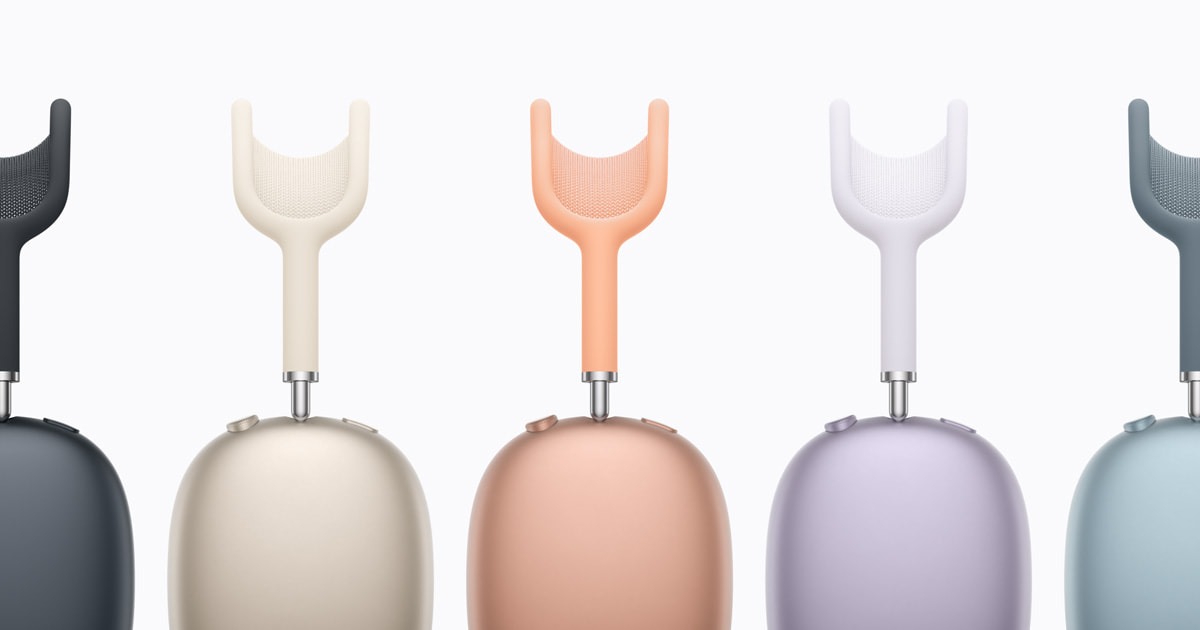
Headphones Pulled From Retailers Shelves Amid Chemical Exposure Fears
 David Richards
17 Mar 2026
David Richards
17 Mar 2026
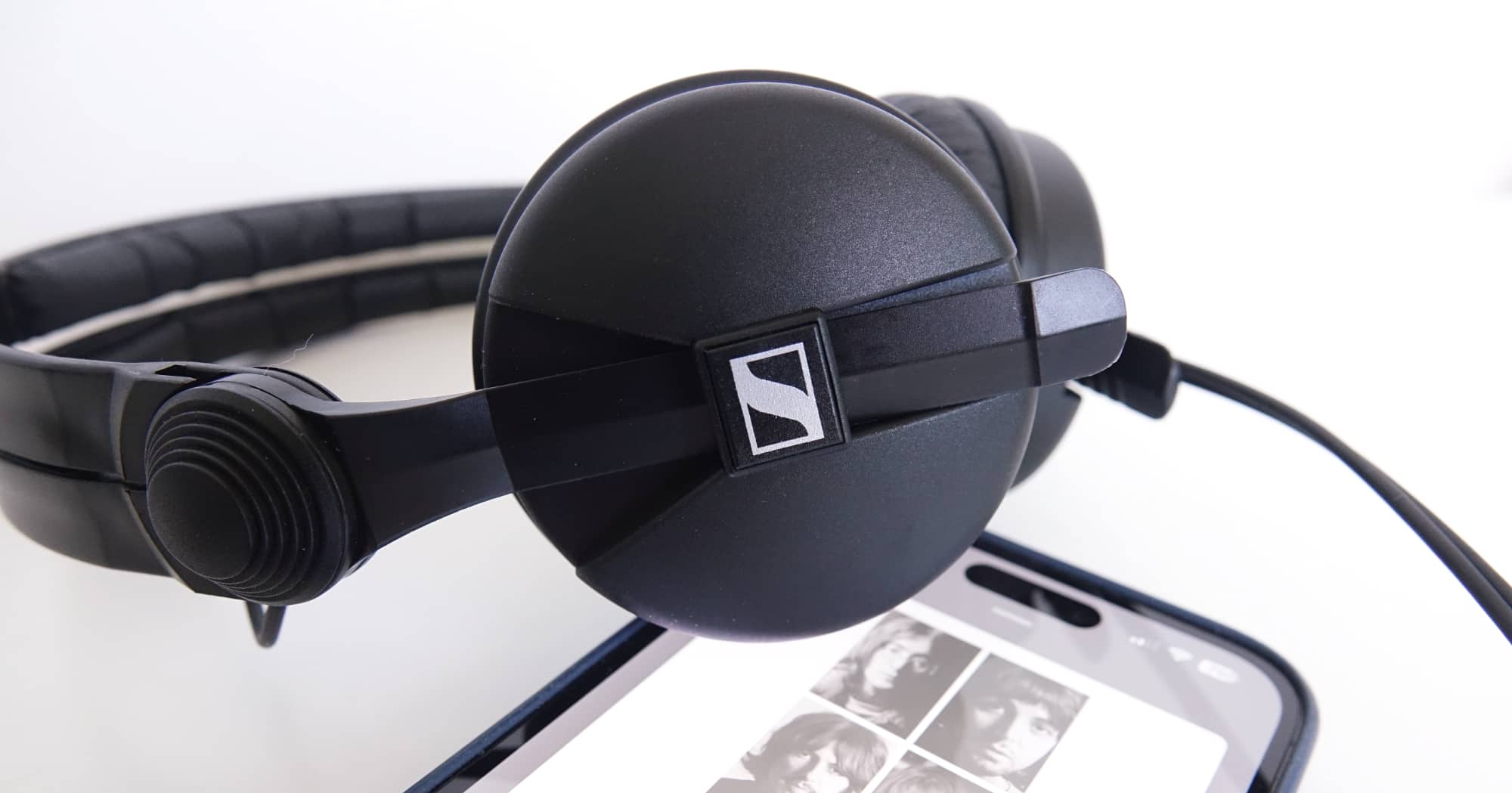
Popular headphones made by major brands including Sennheiser, Razer, Bose and Apple are under scrutiny after a European investigation revealed they may expose users to hormone-disrupting chemicals that sit directly against the skin.
The study, which tested 81 different headphone models, found that every product contained at least traces of potentially harmful chemicals, including bisphenols, phthalates and flame retardants — substances known to interfere with the body’s hormone system.
The findings have already triggered action in Europe, with giant CE retailer MediaMart removing several brands from its shelves following the report.
Many of the same models flagged in the study are also sold in Australia, raising concerns about what consumers may be exposing themselves to during everyday headphone use.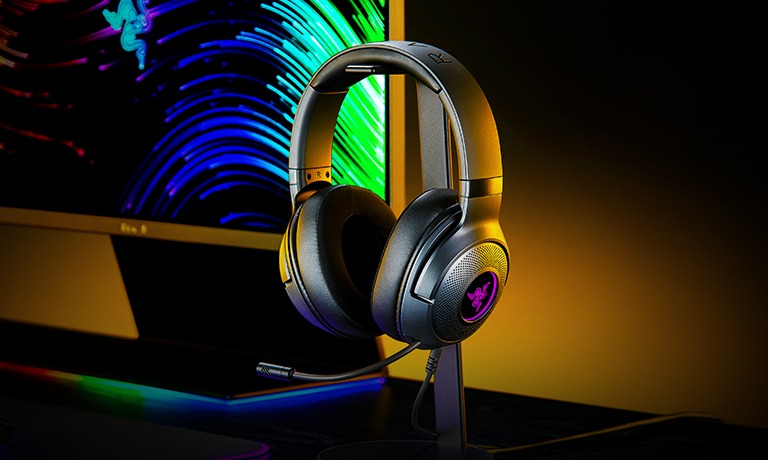
Chemicals Linked to Health Risks
Researchers say the chemicals detected in the devices are known as endocrine disruptors, compounds that can interfere with the body’s hormone system. Scientific studies have linked them to reproductive health issues, developmental problems and neurobehavioural disorders.
“We really think a systemic approach in banning and phasing out the most harmful chemicals — which have generational effects — is the way forward,” researchers said.
The investigation was conducted as part of the ToxFree LIFE for All project, a European initiative backed by consumer advocacy groups and funded by a multi-million-euro grant from the European Union.
What the Study Found
Researchers dismantled the headphones and analysed 180 samples of plastics and materials, including components that directly touch the user’s skin such as ear pads and headbands.
Each product was given three safety ratings — for skin-contact parts, non-contact parts, and the overall device.
Headphones were then ranked:
Green – lowest risk
Yellow – legally compliant but above stricter voluntary safety thresholds
Red – high concern, including samples containing multiple hazardous substances
Some widely used models received poor results.
Gaming headsets in particular raised alarms, with HP’s HyperX Cloud III and Razer’s Kraken V3 receiving red ratings across all categories tested.
By contrast, Apple’s AirPods Pro 2 and JBL’s Tune 720BT were among the devices rated green, suggesting lower levels of potentially harmful chemicals.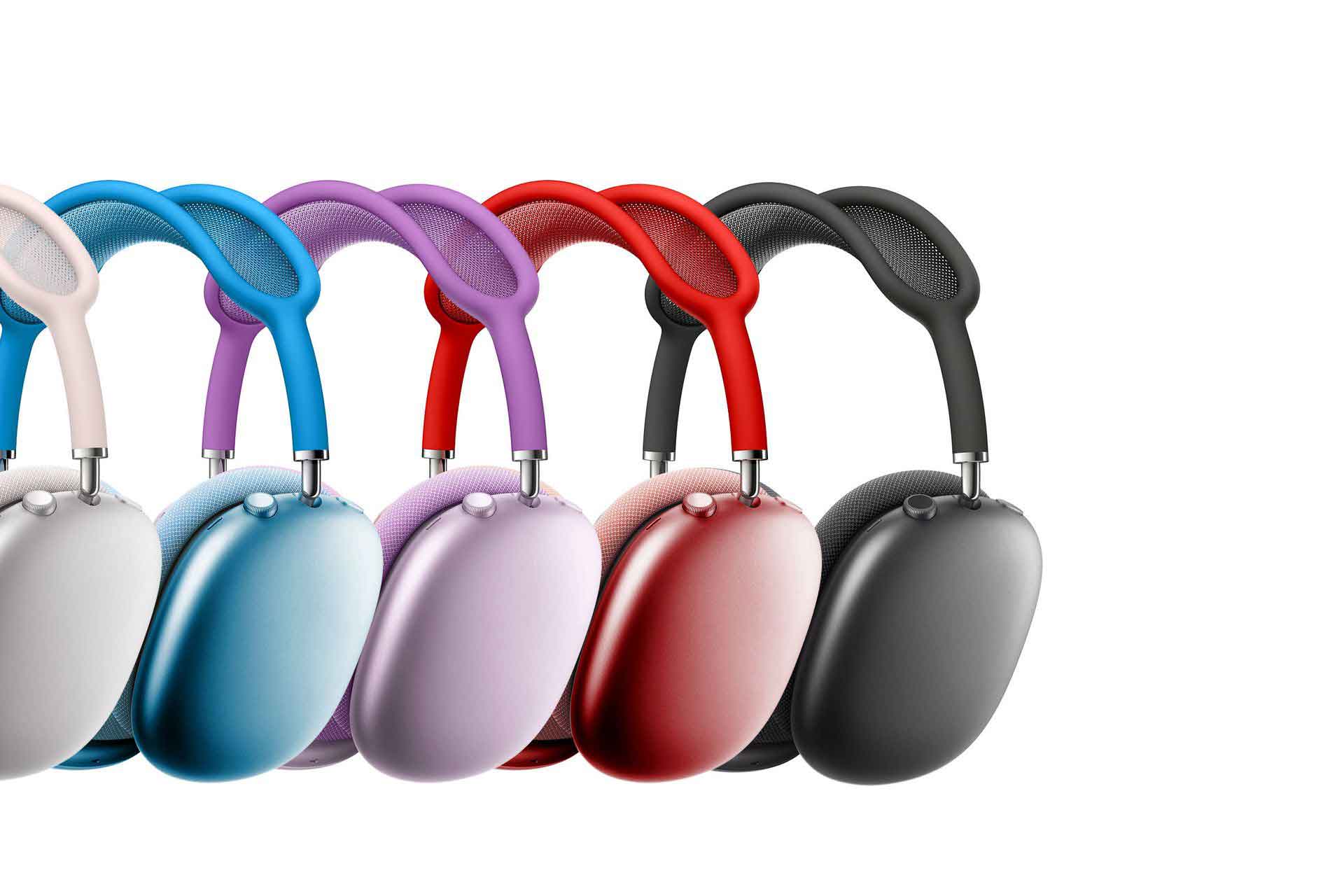
Manufacturers Push Back
Several manufacturers, including Bose, Sennheiser and Marshall, responded by saying their products meet all existing safety regulations.
Marshall’s product compliance manager Anna Forsgren said the study relied on stricter standards than those normally applied to consumer electronics.
“The study used its own testing criteria and flagged the product based on thresholds for BPA-related substances that are stricter than those typically applied to plastics used in electronic products,” she said.
Forsgren added that the company nevertheless welcomes research that increases transparency and accountability across the industry.
BPA Found in Almost All Samples
One of the most concerning findings was the widespread presence of bisphenols, chemicals commonly used to bond plastics and metals or insulate electronic components.
The study found BPA or related compounds in 98 percent of headphone samples.
BPA has previously been linked to developmental risks in children and hormone disruption.
Meanwhile, around 60 percent of the headphones contained small amounts of phthalates, chemicals used to soften plastics that are classified as carcinogenic, mutagenic or harmful to reproduction.
Risks for Heavy Users
Experts say the biggest concern may be cumulative exposure, particularly for people who wear headphones for long periods.
Gaming headsets stood out in the report, with 60 percent receiving a red rating, raising questions about prolonged exposure for gamers who may wear headsets for hours at a time.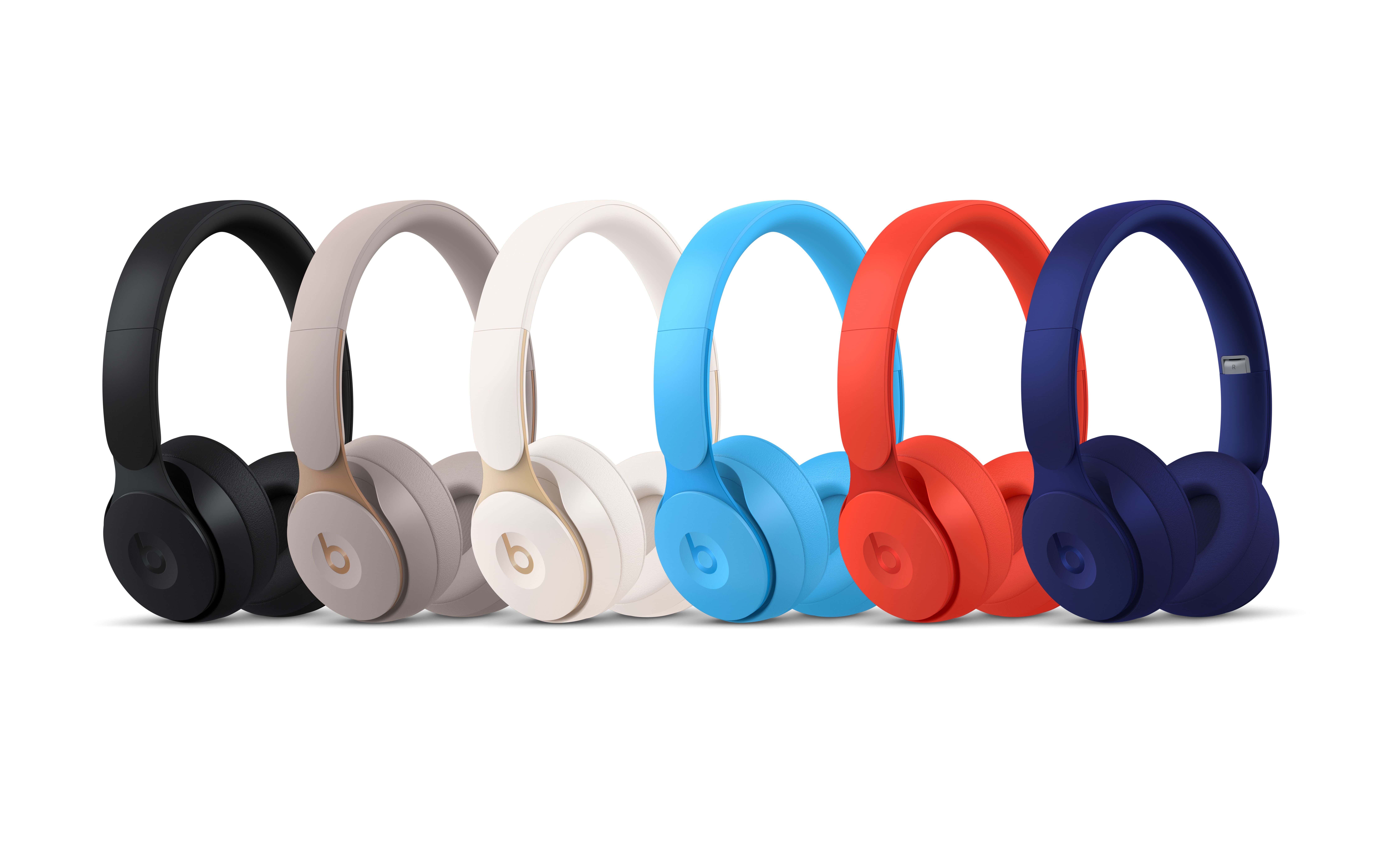
Young people, children and pregnant women may be especially vulnerable because developing bodies are more sensitive to hormone-disrupting chemicals.
“You do not want to get a high exposure from here and there and everywhere,” said Aimin Chen, professor of epidemiology at the University of Pennsylvania’s Perelman School of Medicine.
“If you can reduce exposure, it’s always good.”
No Immediate Danger — But Long-Term Concerns
Researchers stressed that the chemical levels detected were very small, and the report does not suggest an immediate health danger from using headphones.
“There’s no imminent danger from using those headphones,” researcher Hana Brabcová said. “These are minuscule concentrations.”
However, she warned that modern consumers are exposed to hundreds of products every day, each containing small amounts of chemicals.
“Even in a small product like headphones, there’s a cocktail of chemicals people might be exposed to,” she said.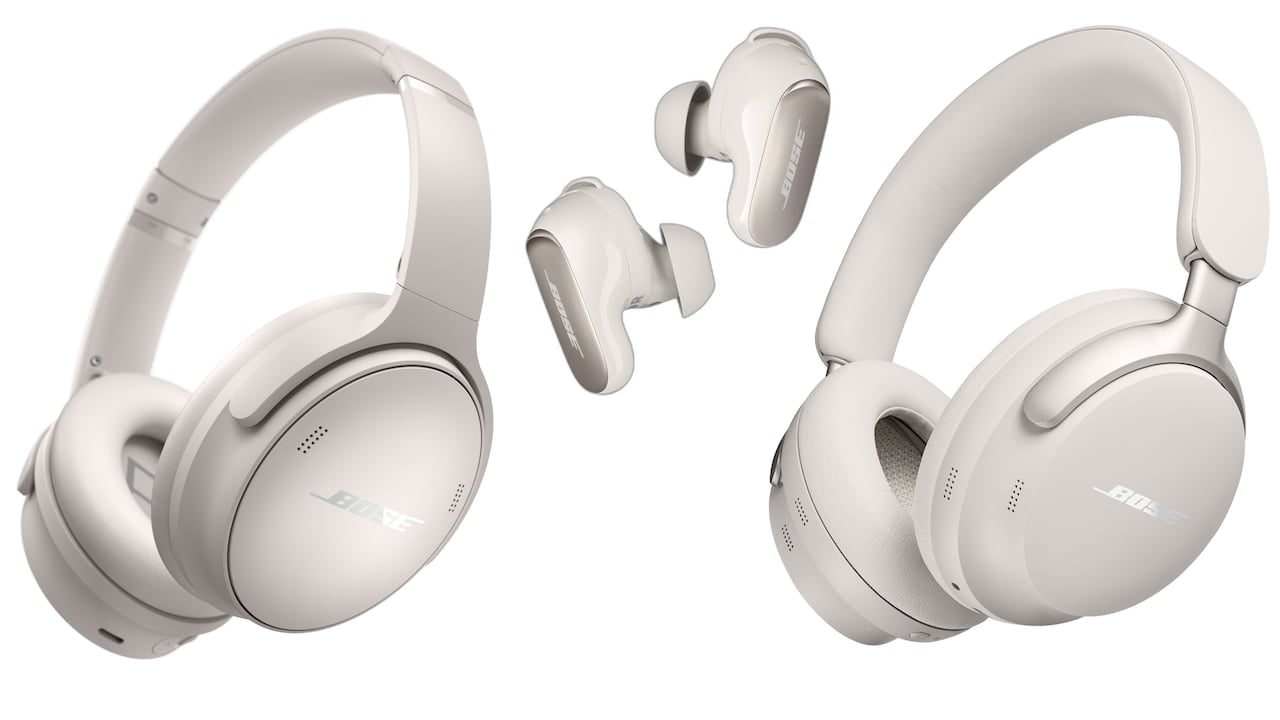
Growing Calls for Regulation
The report’s authors are now urging regulators to tighten restrictions on chemicals in consumer electronics, including bans on entire classes of substances and mandatory disclosure of materials used in products.
They say the results show safer designs are possible — with more than 40 percent of the headphones tested achieving the lowest-risk green rating.
“Progressive manufacturers actually give a great signal to legislation,” Brabcová said.
“It’s the right of consumers to choose brands that go beyond the minimum safety requirements.”
The Hidden Environmental Cost
The concerns extend beyond personal exposure.
As millions of headphones are discarded each year, the report warns that electronic waste may release the same chemicals into the environment, either through landfill leakage or when plastics are burned.
Researchers say that without stronger regulation, the chemical footprint of everyday electronics could become an increasingly hidden health and environmental issue.