Google’s Ad Empire May Be Dismantled
 Nathan Jolly
20 May 2022
Nathan Jolly
20 May 2022
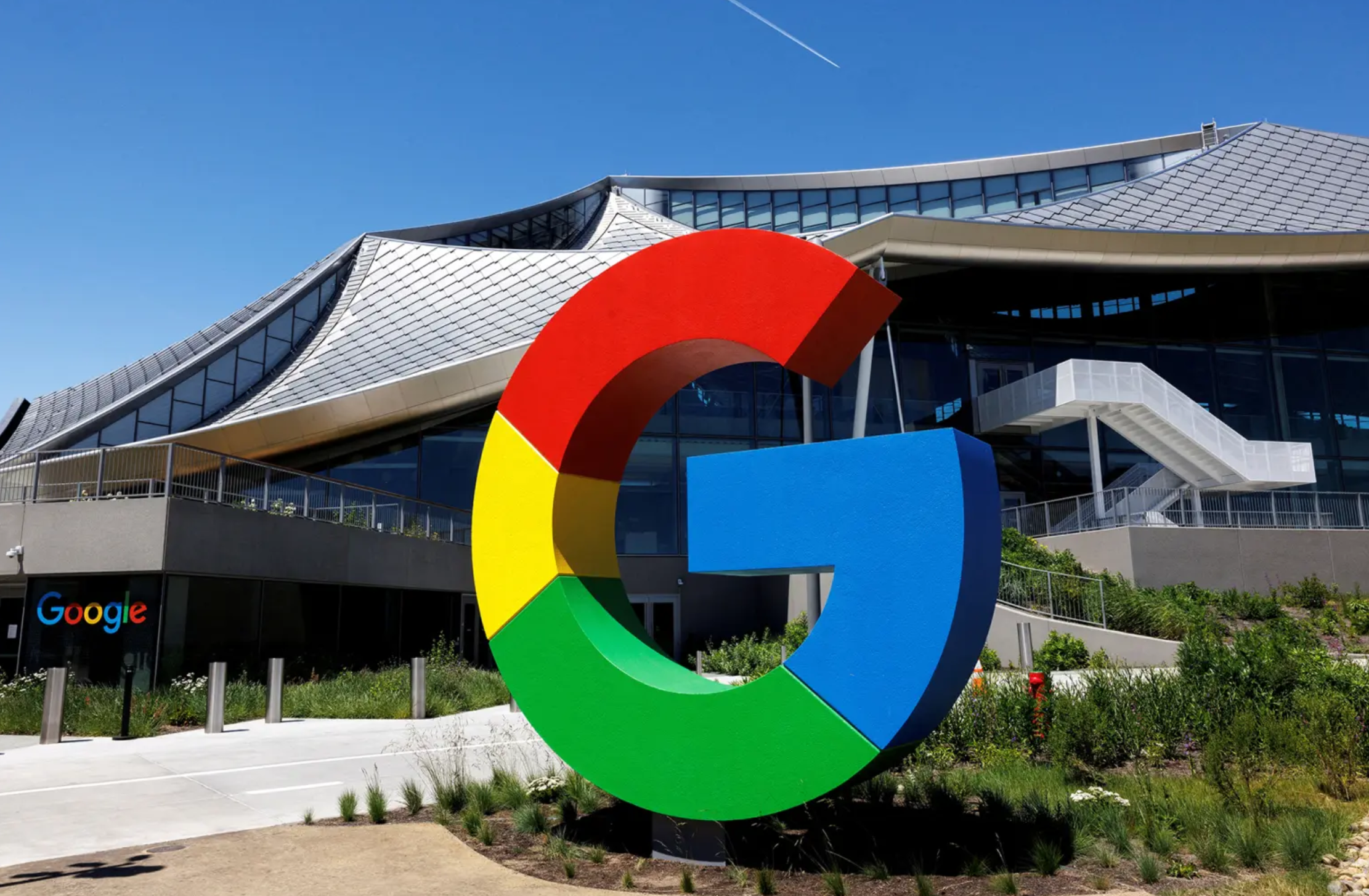
Google’s online advertising empire is set to be broken up, under two bipartisan bills being introduced at both levels of US Congress.
The pair of bills would prevent large companies from working in conflicting areas of the online advertising market. This is aimed at Google’s current situation, where it can act as the seller, the main buyer, and the ad broker.
The law will apply to public companies with US$20 billion in annual advertising revenue, meaning that Meta will also have to play along should the bills pass.
“Google is selling ads, they’re buying ads, and they’ve bought the auction company,” Rep Ken Buck, the lead sponsor of the forthcoming House bill, told The New York Post.
“All this bill does is say you can’t do all three.”
Mike Lee, the lead sponsor of the Senate version of the legislation, the Competition and Transparency in Digital Advertising Act, explained:
“This lack of competition in digital advertising means that monopoly rents are being imposed upon every website that is ad-supported and every company — small, medium, or large — that relies on internet advertising to grow its business.
“It is essentially a tax on thousands of American businesses, and thus a tax on millions of American consumers.”
Google calls the proposal, “the wrong bill, at the wrong time, aimed at the wrong target.”
“Advertising tools from Google and many competitors help American websites and apps fund their content, help businesses grow, and help protect users from privacy risks and misleading ads,” a Google spokesperson said.
“Breaking those tools would hurt publishers and advertisers, lower ad quality, and create new privacy risks. And, at a time of heightened inflation, it would handicap small businesses looking for easy and effective ways to grow online. The real issue is low-quality data brokers who threaten Americans’ privacy and flood them with spammy ads.”