Google Retires Nest Audio And Nest Mini As New Smart Speaker Takes Centre Stage
 April Ossington
19 Jun 2026
April Ossington
19 Jun 2026
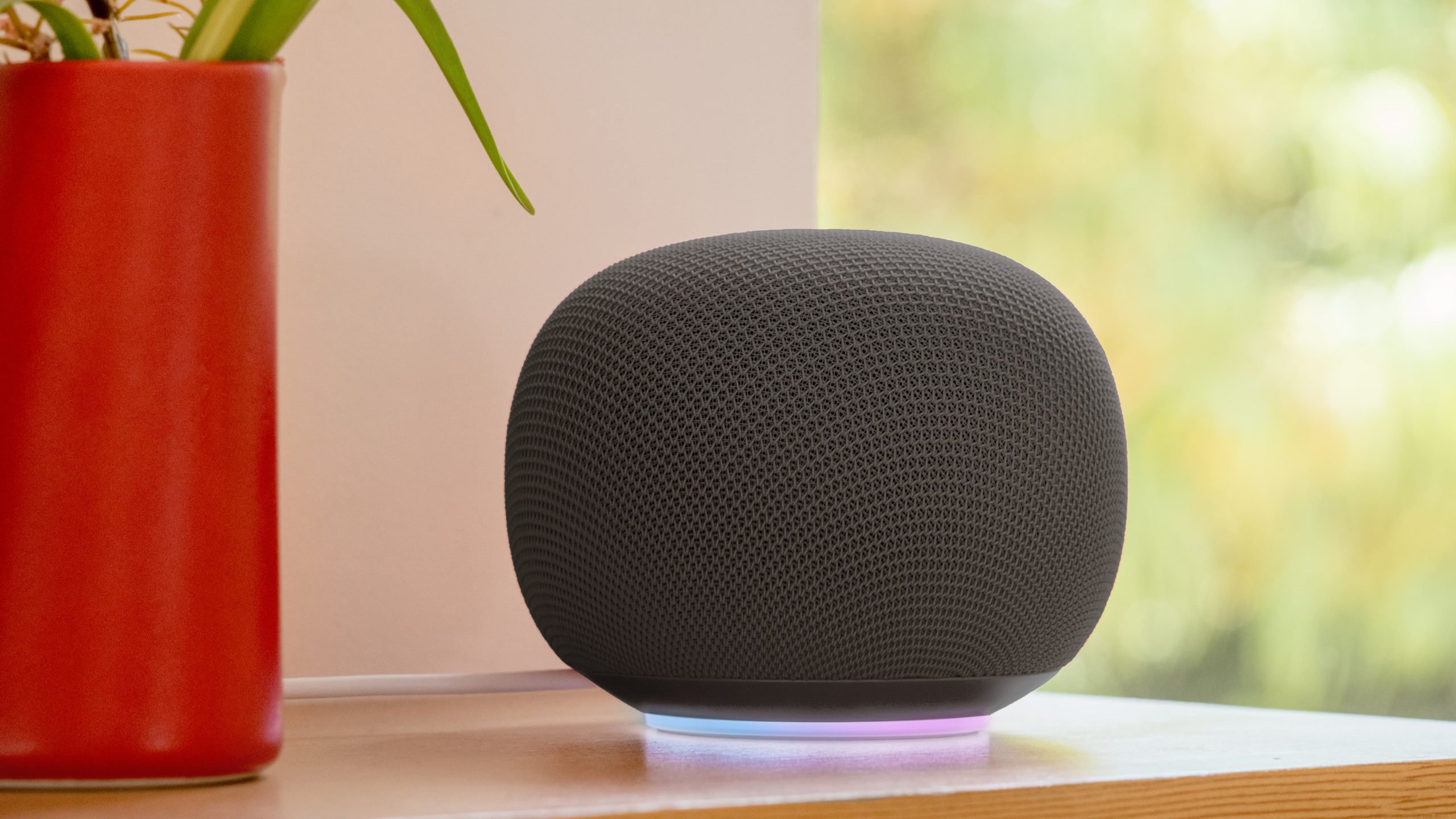
Google has officially ended production of two of its long-running smart speakers, signalling a shift towards newer hardware designed to support the company’s evolving artificial intelligence ambitions.
The Nest Mini and Nest Audio will no longer be manufactured, bringing an end to product lines that have been part of Google’s smart home ecosystem for several years. The decision follows the unveiling of a new Google Home speaker, which was introduced this week as the latest addition to the company’s connected home portfolio.
While both devices are being phased out, current owners will not be left behind. Google has confirmed that existing Nest Mini and Nest Audio units will continue receiving software updates, security improvements and customer support, ensuring they remain functional despite no longer being sold.
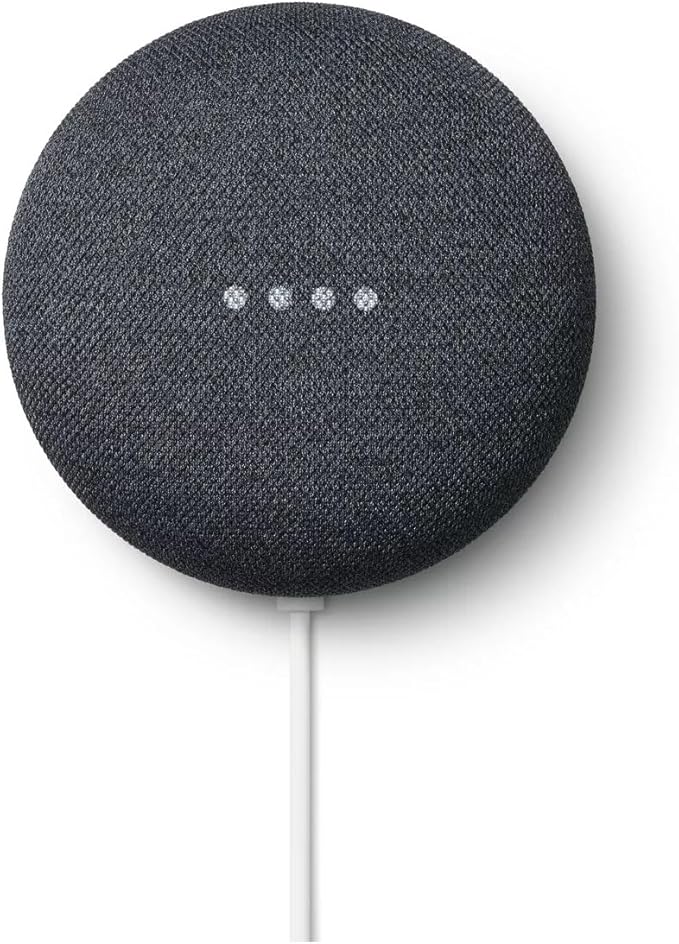
The Nest Mini traces its roots back to the original Google Home Mini, which debuted in 2017 before being rebranded under the Nest name. Nest Audio followed later as a larger speaker option aimed at users wanting improved sound quality alongside Google Assistant integration.
Google’s latest move reflects a broader strategy focused on embedding its Gemini artificial intelligence platform across as many products and services as possible. As newer hardware is developed with AI capabilities in mind, older devices are increasingly being replaced by products better suited to supporting the company’s future roadmap.
The newly announced Google Home speaker enters the market with a price tag of approximately A$153, matching the launch pricing of the Nest Audio it effectively replaces. By comparison, the smaller Nest Mini launched at around A$77 and was frequently available at discounted prices through retailers.
Although the retirement of the two speakers marks the end of an era for Google’s smart home lineup, users who already own the devices can continue using them without interruption. The company’s commitment to ongoing support means the speakers should remain a viable option for voice controls, music playback and smart home management for the foreseeable future.
As Google continues to refresh its hardware range, the focus appears to be shifting towards devices that can take fuller advantage of next-generation AI experiences, making the transition away from some of its older smart speakers a logical step in the company’s broader plans.