Google Plans Appeal of Antitrust Ruling Against Search Engine Dominance
 Isabella Alexiou
02 Jun 2025
Isabella Alexiou
02 Jun 2025
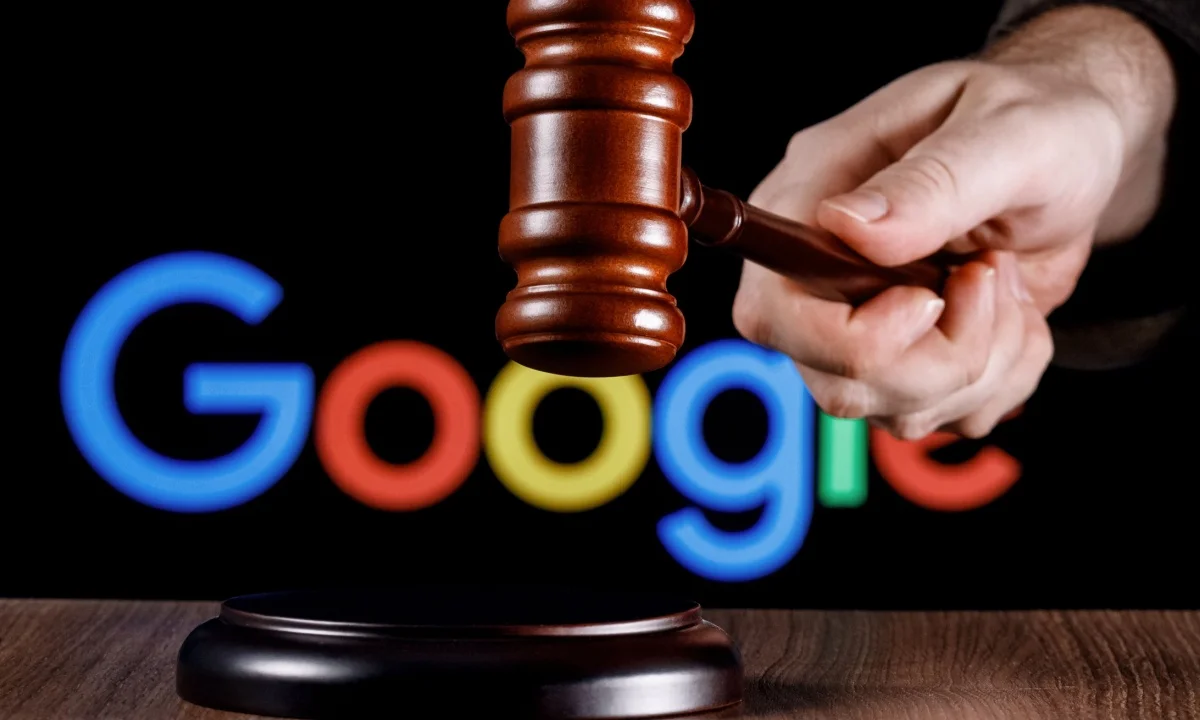
Google has confirmed it will appeal the federal antitrust ruling that found the tech giant maintains an illegal monopoly over the search engine market, arguing that proposed remedies would harm consumers and create privacy risks.
The company announced its appeal plans on X, stating it “strongly believes the Court’s original decision was wrong” and looks forward to challenging the ruling.
Google criticised the Department of Justice’s proposed solutions as going “too far” and potentially harming consumers through “very real privacy issues.”
Federal Judge Amit Mehta of the US District Court for the District of Columbia ruled in August 2024 that Google illegally monopolised the search engine market.
The landmark decision followed a DOJ lawsuit filed in 2020 challenging Google’s dominance through exclusive agreements and business practices.
The Department of Justice has proposed sweeping remedies, including forcing Google to license its search technology to competitors, prohibiting default search engine agreements with device manufacturers like Apple and Samsung, and requiring the sale of the Chrome browser and the open-source Chromium project.
The DOJ argued that Google’s ownership of Chrome provides unfair advantages by driving search traffic and generating additional revenue.
Google has offered alternative solutions, including loosening agreements to allow other search engines on devices and establishing an oversight committee to monitor company activities.
The tech giant warned that DOJ proposals would leave the government controlling user data and benefit “well-funded competitors.”
The case carries significant implications for artificial intelligence development, as search engine dominance increasingly connects to AI capabilities.
Google expressed concern that the ruling could enable other companies with AI chatbots to dominate search markets instead.
During trial proceedings, OpenAI executive Nick Turley testified that the ChatGPT maker would consider purchasing Chrome if Google faced a forced sale, highlighting competitor interest in Google’s search infrastructure.
The antitrust trial represents one of the most significant technology monopoly cases since the Microsoft litigation of the 1990s.
The outcome could reshape how major tech companies operate and compete in search, browser, and AI markets.
Google’s appeal will likely extend the legal proceedings for years, during which the company can continue current business practices while challenging both the monopoly finding and proposed remedies.
The case has drawn attention from global regulators examining big tech market power and competitive practices.