Google Kills The Fitbit App, Launches Screenless Fitbit Air
 Joe Gallop
08 May 2026
Joe Gallop
08 May 2026
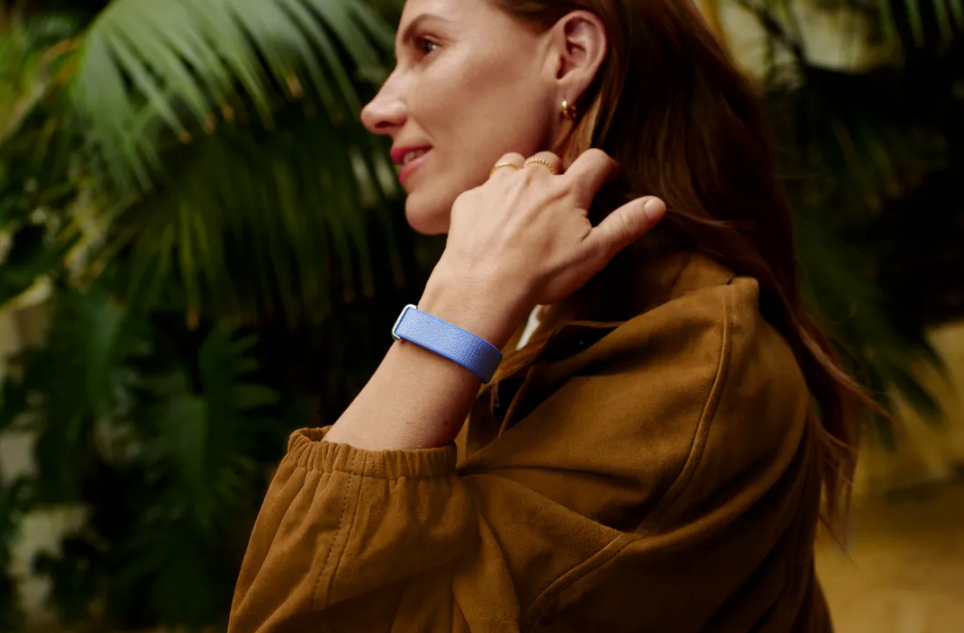
Google has unveiled a new AI-powered wearable, the Fitbit Air, a screenless fitness tracker designed to compete with fast-growing rivals such as Whoop and Oura, as Google phases out the Fitbit app and replaces it with its new AI-driven platform.
Priced at US$99 (A$150) and available for pre-order now ahead of a May 26 launch, the Fitbit Air strips away the display entirely and instead focusing on passive health monitoring powered by Google’s expanding AI ecosystem.
The lightweight tracker, weighing just 5.2 grams without a band, is designed to be worn continuously and can automatically monitor heart rate, sleep, cardio load, training readiness and workout activity.
Google claims updated machine learning models improve sleep tracking accuracy by 15% compared with previous Fitbit systems.
The launch comes as Google officially retires the Fitbit app, replacing it with a new Google Health platform from May 19.
Existing Fitbit users will automatically migrate to the new service, which combines wearable data with medical records, Apple Health, Peloton and MyFitnessPal integrations.
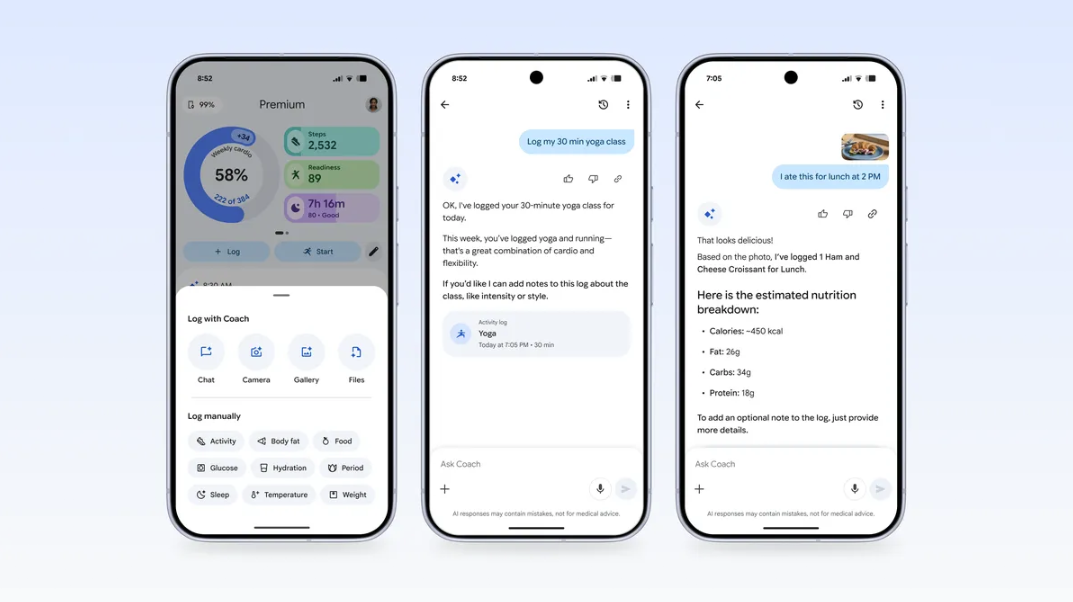
At the centre of the strategy is Google Health Coach, a Gemini-powered AI assistant designed to deliver personalised fitness plans, recovery insights and wellness recommendations based on real-time health data.
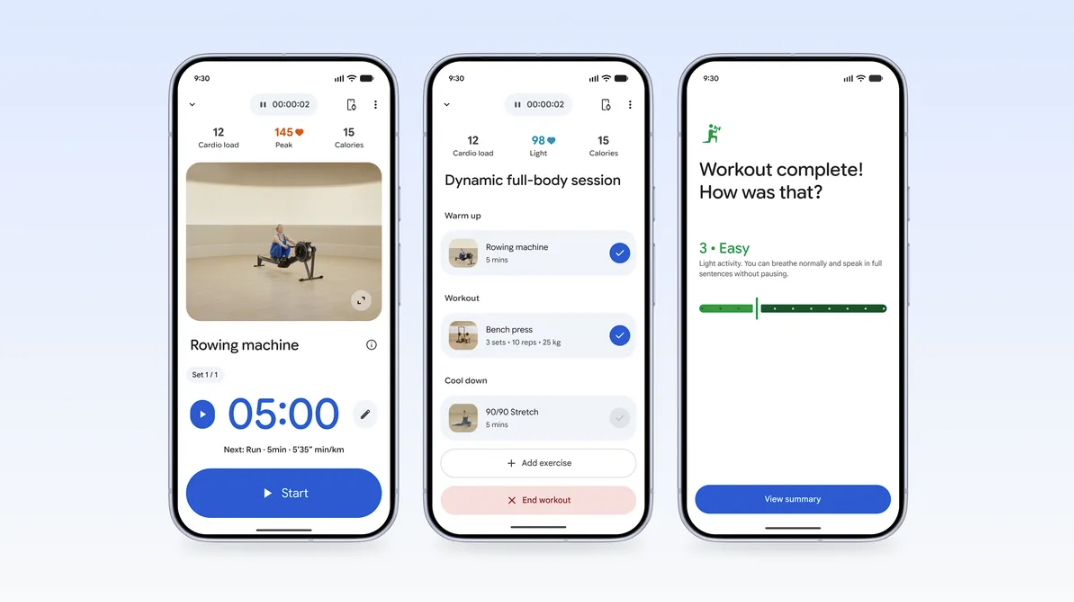
Users will be able to interact with the AI coach conversationally, including uploading medical records, photos and nutritional information for analysis. Google says the system can adapt workout plans dynamically around a user’s schedule, fitness goals and recovery levels.
The move positions Google less as a smartwatch maker and more as a health data and AI coaching platform provider.
The Fitbit Air reflects growing demand for minimalist screenless wearables focused on long-term health tracking rather than notifications and apps.
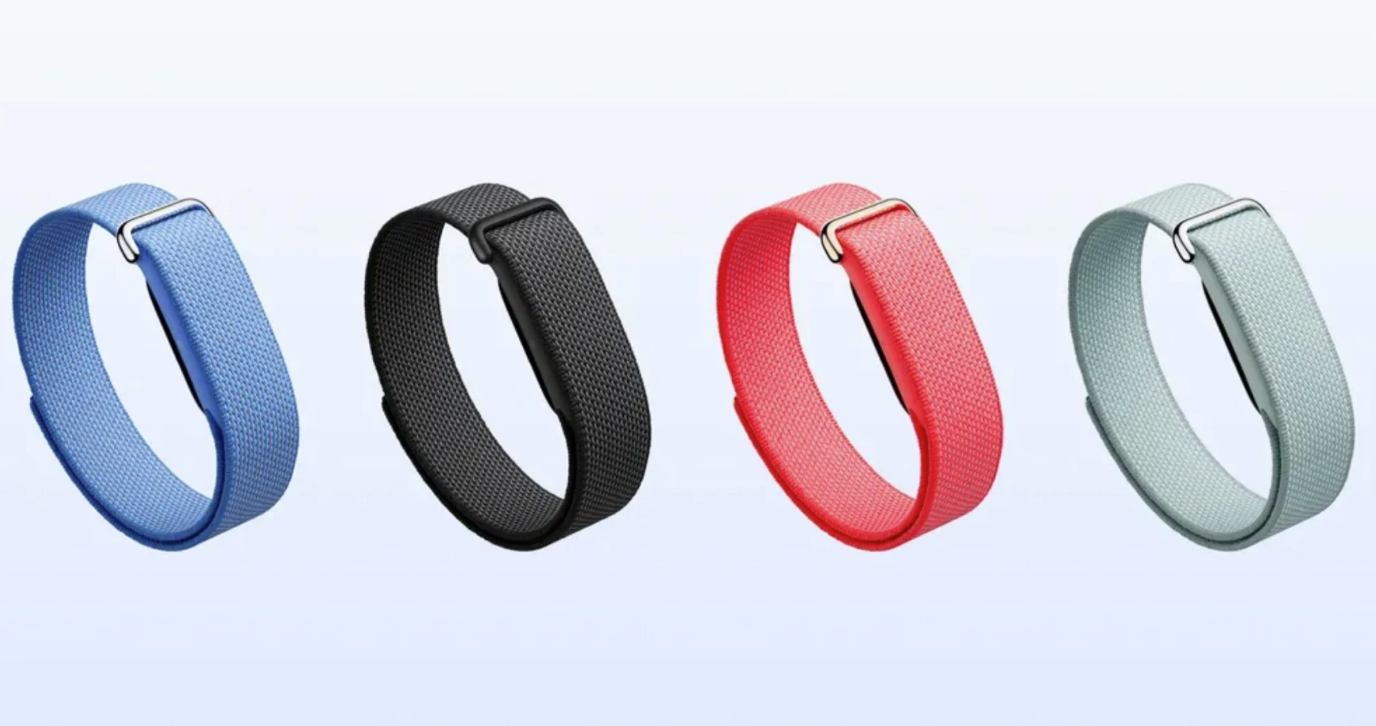
The Fitbit Air works with both Android and iPhone devices and offers up to seven days of battery life. Google is also releasing interchangeable wristbands, including a premium Stephen Curry edition.
While Google re-stated its commitments to not use health data for advertising, the expansion into medical records and AI-driven health analysis is expected to further scrutiny over privacy and data handling practices.
Google Health Premium, previously Fitbit Premium, will cost US$9.99 (A$15) monthly or US$99 (A$150) annually.