Microsoft Set To Unveil Maia 300 AI Chip in September
 Emma Wheaton
11 Aug 2026
Emma Wheaton
11 Aug 2026
Microsoft is preparing to unveil its next-generation Maia 300 artificial intelligence chip, likely in September, as the technology giant steps up efforts to develop its own AI infrastructure and reduce its reliance on Nvidia processors.
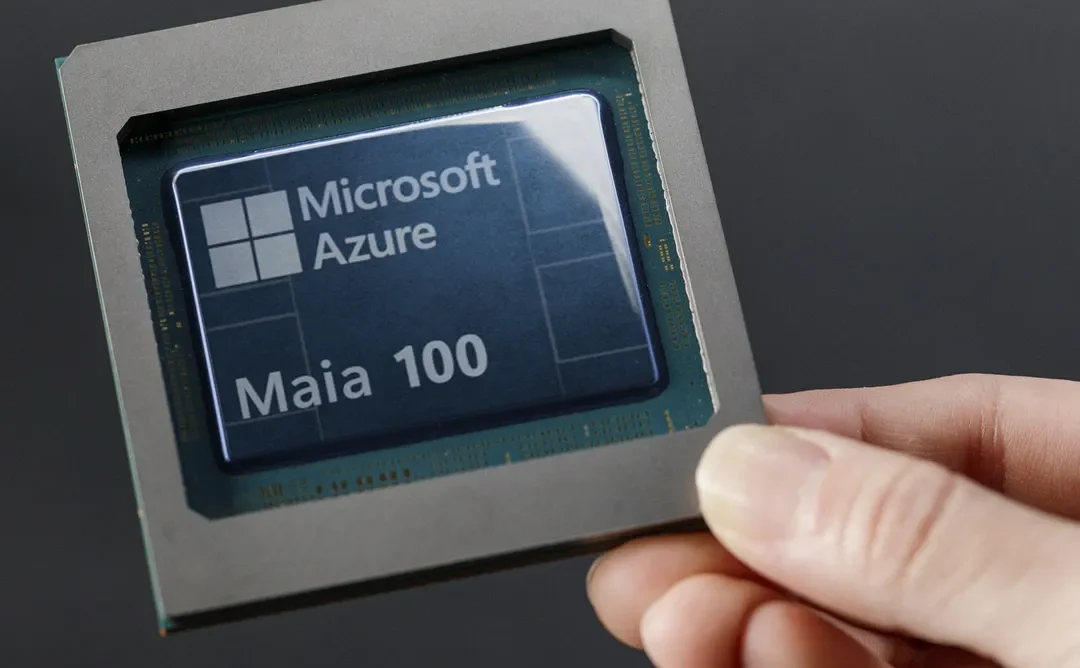
The Maia 300 is expected to be the latest addition to Microsoft’s growing family of custom AI chips. The company introduced its first Maia chip in November 2023 and unveiled the second-generation Maia 200 in January this year.
The planned launch comes as Microsoft seeks to catch up with rivals including Google and Amazon, which have made significant advances in developing their own AI processors.
According to reports, Microsoft has been in discussions with Taiwan Semiconductor Manufacturing Co. to secure production capacity for its Maia 300 chips.
Microsoft ultimately wants to secure capacity for more than one million Maia 300 chips, with a delivery target of 2027.
The company is also seeking to persuade major cloud customers, including AI company Anthropic, to use its custom processors.
Microsoft confirmed it remains committed to developing its own silicon.
“Microsoft continues to invest in custom silicon as part of our long-term AI infrastructure strategy,” Andrew Wall, general manager for Microsoft’s Azure Maia, said in a statement.
The push is part of a broader shift among major technology companies to develop specialised chips for the rapidly expanding AI market.
Google has been developing its Tensor Processing Units, or TPUs, for years. Amazon has also expanded adoption of its Trainium processors.
Microsoft’s in-house silicon strategy could help it manage AI computing costs, supply constraints and performance as demand for AI infrastructure continues to surge.
The development adds to pressure on Nvidia’s dominance of the AI accelerator market, although Nvidia remains a key supplier to Microsoft.
Microsoft’s Maia 200 was manufactured by TSMC using its 3-nanometre process and was designed with a large amount of SRAM memory, which can provide performance advantages for AI systems handling high volumes of user requests.
The planned Maia 300 rollout signals Microsoft’s intention to make custom silicon a more significant part of its long-term AI infrastructure strategy.