Google Ramps Up Energy Plans As AI Data Centre Race Heats Up
 Joe Gallop
04 Feb 2026
Joe Gallop
04 Feb 2026
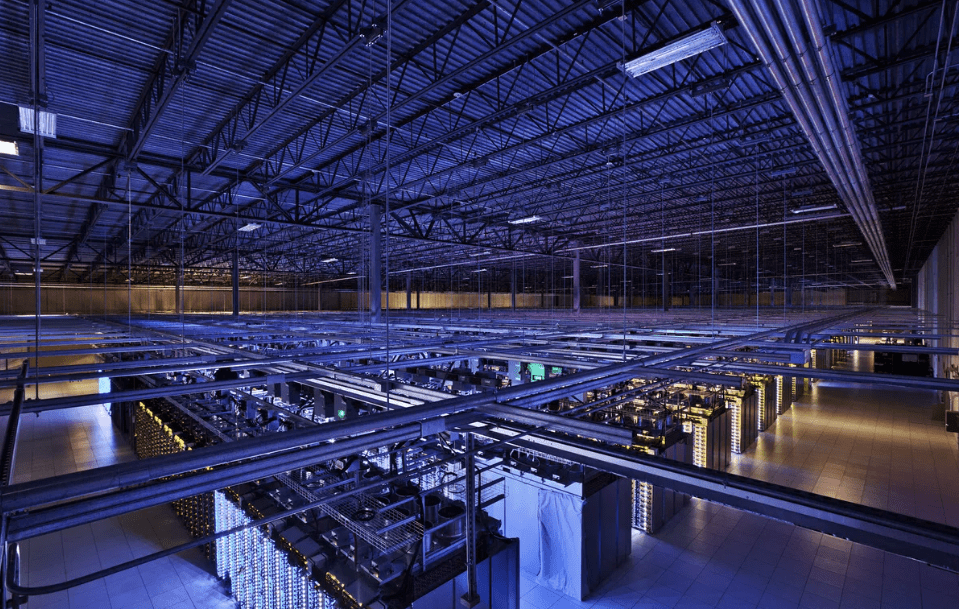
Google is spending billions to secure the electricity needed to power its fast-growing AI ambitions, highlighting a shift in how tech giants control energy as data centres put power grids around the world under unprecedented pressure.
The company has agreed to acquire US wind and solar developer Intersect for US$4.75 billion (A$6.84 billion), a move that would make Google the only major technology company to own a power generation business outright.
The deal is designed to guarantee long-term, clean electricity supply for Google’s expanding fleet of AI-driven data centres.
As AI workloads grow, data centres are consuming power on the scale of mid-sized cities. Regulators are increasingly wary of shortages and are favouring companies that can bring their own generation online rather than relying solely on public grids.

Google has already invested heavily in alternative energy sources, including geothermal projects and small modular nuclear reactors.
It has trialled systems that allow data centres to reduce power consumption during periods of grid stress. Owning a renewables developer gives it end-to-end control over energy planning, from generation to consumption.
The strategy has implications for Australia, where Google is expanding its cloud and AI footprint.
The company already operates data centre regions in Sydney and Melbourne and is working to build out additional data centre capacity nationally, alongside long-term investments in renewable energy to support those facilities.
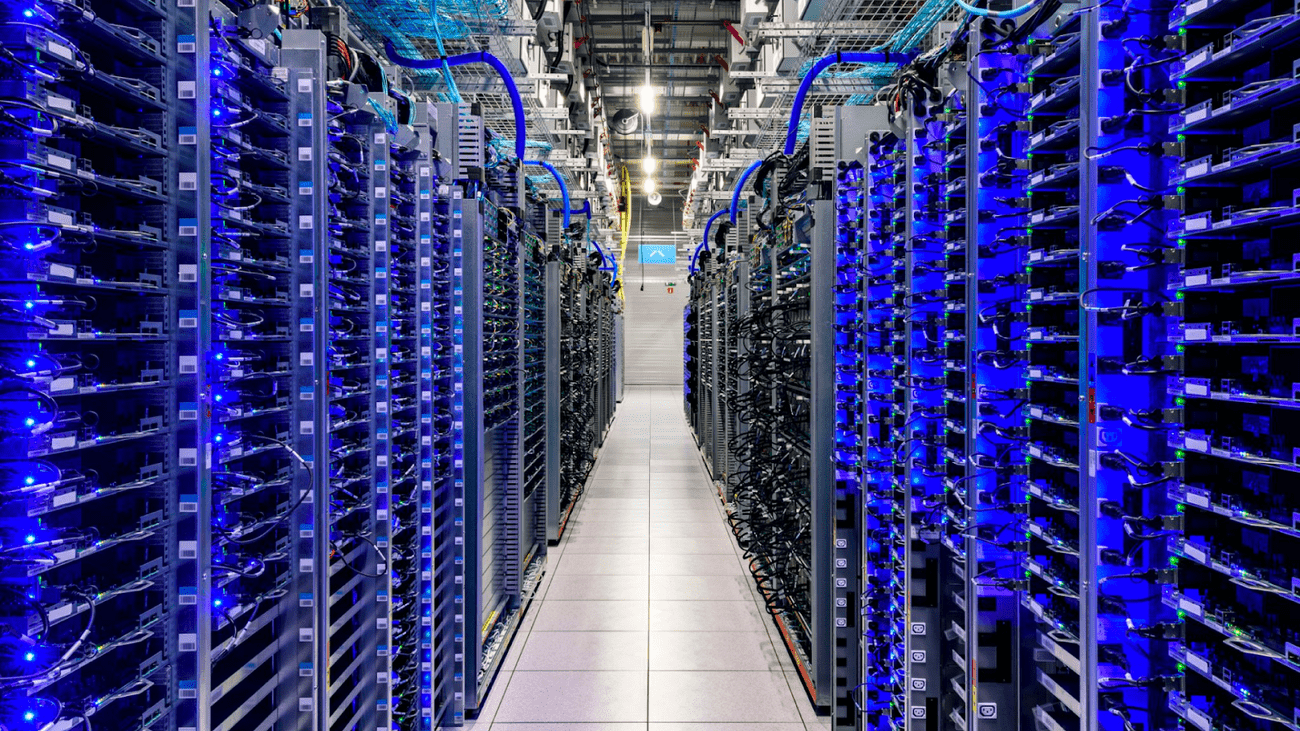
Google has also flagged broader infrastructure ambitions in Australia, including a proposed “connectivity hub” on Christmas Island tied to multiple subsea cable projects.
While the plan has been welcomed for improving connectivity, locals and experts have raised concerns about power, water and environmental impacts if data centre infrastructure follows.
Energy has become a decisive factor in the global AI race, with companies now competing not just on chips and models, but on access to electricity.
Google last week was also in the headlines after a former engineer was convicted in the US of stealing more than 2,000 pages of confidential AI trade secrets, including details on the company’s Tensor Processing Unit (TPU) chips and passing them to Chinese tech interests.