Global Wearable Band Shipments Up 3 Per Cent, Setting The Stage For A Strong Holiday Season
 April Ossington
02 Dec 2025

The global wearable band market saw modest growth in the third quarter, rising 3 per cent year on year to 54.6 million units, according to new research from Omdia. While unit growth remained limited, the market’s total value climbed 12 per cent to $12.3 billion, driven by a clear shift toward premium devices.
The Average Selling Price increased 9 per cent annually to $225, supported largely by the industry’s biggest players. The top five vendors – Xiaomi, Apple, Huawei, Samsung, and Garmin – commanded 84 per cent of total market value and 63 per cent of total volume. Their dominance in value, along with extensive financial and R&D resources, is making it increasingly challenging for smaller competitors to win on price or attract new users.

Dual Strategy Drives Growth Across Price Tiers
Leading vendors are gaining traction through a dual strategy targeted at specific price tiers. In the budget friendly segments, growth was fuelled by a 12 per cent year-on-year rebound in basic bands, supported by Xiaomi, Huawei, and Samsung as they expanded their product ranges to capture more volume. Enhanced basic bands resulted in the $50 to $99 tier climbing 56 per cent annually, while the below $50 tier dipped 2 per cent.
At the same time, smartwatch brands are homing in on the mid range. The $200 to $300 band for smartwatches rose 21 percent, whereas the $300 to $500 tier fell 8 per cent. Vendors continue to introduce premium features at more accessible prices, demonstrated by the new Apple Watch SE 3 which now includes high tier health and cellular functions.
Premium Segments Boost Revenue with AI and 5G Integration
Many vendors are also using their wearable portfolios to push broader premiumization strategies. Instead of competing primarily on affordability, they are differentiating through advanced capabilities such as improved computing power, stronger app ecosystems, and cellular and satellite connectivity.
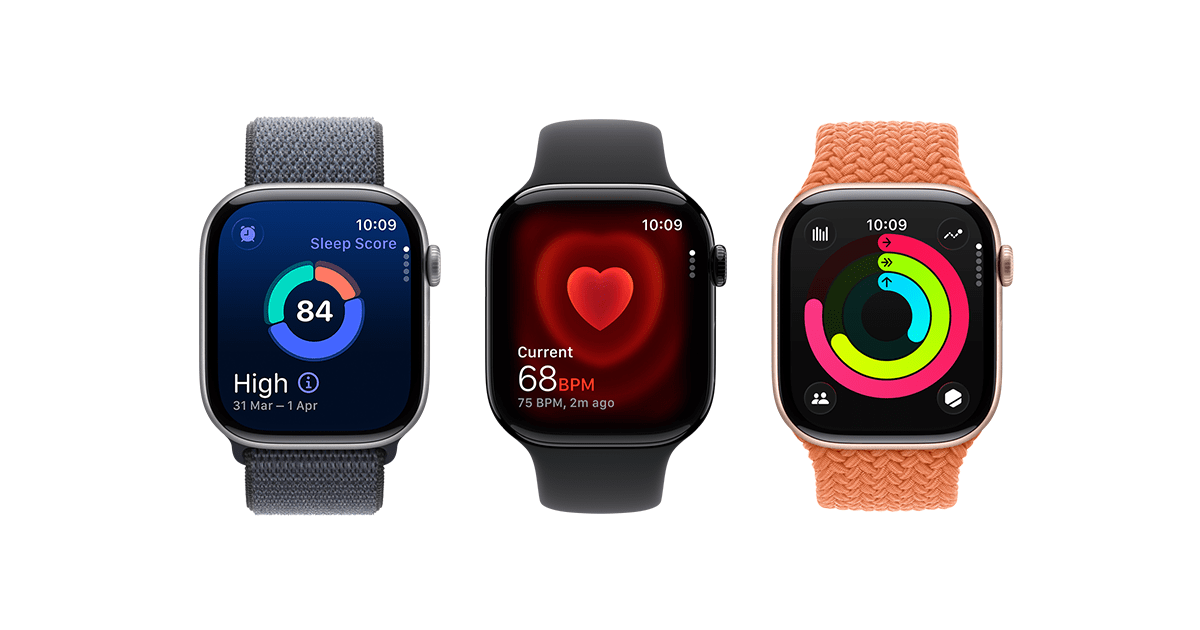
New product releases played a major role in driving the premium category. The $500 to $700 tier grew 29 per cent, and the $700 plus tier rose 34 per cent on an annual basis. Vendors are exploring new technological frontiers to accelerate premiumisation. Generative AI is transitioning from novelty to practical tool, with more brands integrating AI based coaching. Agentic features are emerging as well, seen in the newest Galaxy Watch models that support Gemini voice commands and deeper health integration.
The smartwatch market has also stepped into the 5G era. The latest Apple Watch Series 11 includes 5G support, and both Apple and Garmin have added emergency satellite messaging to their flagship outdoor devices. Even though smartwatch shipments increased only 1 per cent in the third quarter of 2025, shipment value rose 8 per cent, reinforcing the overall shift toward premium offerings.
Jack Leathem, Analyst at Omdia, commented, “Smartwatch vendors need to bolster native software and services while working closely with third party app and service providers to embed new features that enhance user experience and ensure seamless connectivity. Looking ahead, the future of the smartwatch lies in an immersive cloud based generative AI health and fitness coach that fully leverages the device’s computing power. Integrating non wrist devices such as smart rings and TWS with health tracking capabilities will also be essential for creating a complete health and fitness ecosystem and unlocking new cross selling opportunities. These fundamentals are crucial to building a future where smartwatches deliver a compelling value proposition compared to basic devices.”